



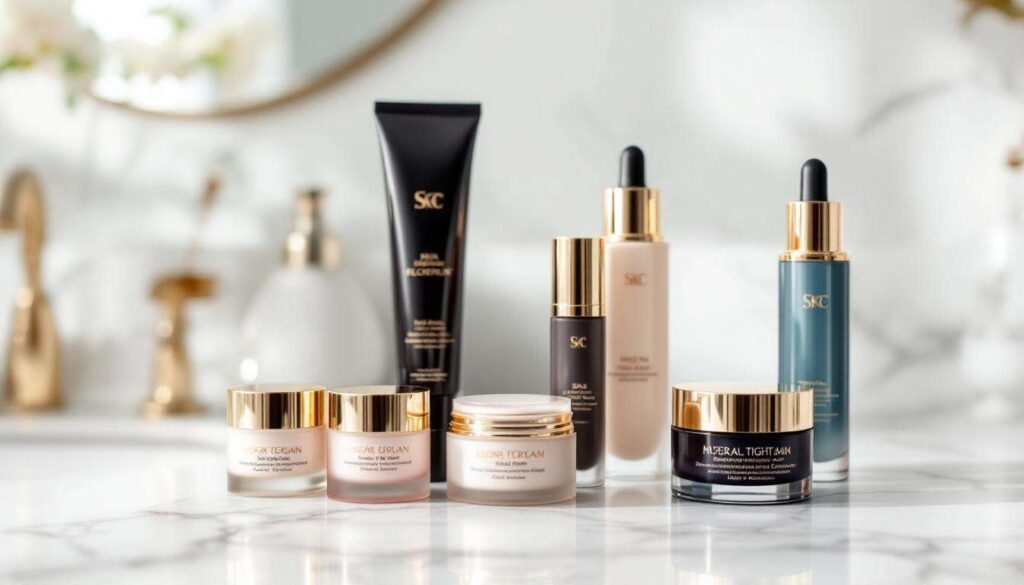
Sagging skin represents one of the most visible signs of ageing, prompting countless individuals to seek solutions that deliver visible results without resorting to invasive procedures. The market for skin firming products has expanded dramatically, offering consumers a bewildering array of options that promise to restore youthful elasticity and firmness. Understanding which formulations genuinely work requires navigating through marketing claims and identifying products backed by both scientific evidence and real-world testing. Dermatologists emphasise that whilst no topical cream can replicate surgical results, the right combination of active ingredients applied consistently can produce meaningful improvements in skin texture and tone.
Dermatologists’ recommendations for skin firming
Medical professionals specialising in skin health consistently advocate for a science-based approach when selecting firming treatments. According to leading dermatologists, the most effective creams contain clinically proven ingredients at therapeutic concentrations rather than trace amounts included merely for marketing purposes.
Professional perspectives on realistic expectations
Dermatologists stress the importance of setting realistic expectations regarding topical treatments. Whilst prescription-strength retinoids remain the gold standard for stimulating collagen production, over-the-counter formulations can still deliver noticeable improvements when used correctly. Experts recommend products that combine multiple mechanisms of action, including collagen synthesis stimulation, antioxidant protection, and hydration enhancement. The consensus amongst skin specialists indicates that consistency matters more than product price, with regular application over several months yielding the best outcomes.
Medical-grade versus commercial formulations
The distinction between medical-grade and commercial products often centres on ingredient concentration and formulation stability. Dermatologists frequently prescribe or recommend professional lines that undergo rigorous testing and contain higher percentages of active compounds. However, several consumer brands have developed formulations that approach medical-grade efficacy by incorporating:
- Stabilised retinol derivatives at effective concentrations
- Peptide complexes with demonstrated collagen-boosting properties
- Antioxidant combinations that protect against environmental damage
- Delivery systems that enhance ingredient penetration
Understanding what dermatologists prioritise in skin firming products provides essential context for evaluating the specific criteria that distinguish superior formulations from ineffective alternatives.
Criteria for choosing a skin firming cream
Selecting an appropriate firming cream requires evaluating multiple factors beyond marketing promises and attractive packaging. The most critical considerations involve ingredient quality, formulation design, and compatibility with individual skin types.
Skin type compatibility
Different skin types respond variably to firming treatments, making personalised selection essential. Those with sensitive skin should prioritise gentle formulations containing soothing ingredients like niacinamide and ceramides, whilst oily skin types may benefit from lighter, gel-based textures. Dry skin requires richer formulations that combine firming actives with intensive moisturisation. Testing products on a small area before full-face application helps prevent adverse reactions.
Concentration and formulation quality
The percentage of active ingredients directly influences efficacy, yet higher concentrations do not automatically guarantee superior results. Proper formulation ensures ingredient stability and skin penetration. Quality products disclose key ingredient percentages and employ delivery technologies that enhance absorption. Packaging also matters significantly, with airless pumps and opaque containers protecting light-sensitive compounds like retinol and vitamin C from degradation.
Price versus value assessment
Expensive products do not invariably outperform affordable alternatives, though extremely cheap options often contain insufficient active ingredients. The optimal approach involves examining ingredient lists and concentrations rather than relying solely on price points. Many mid-range products deliver excellent results by focusing resources on effective formulations rather than luxury packaging or celebrity endorsements.
Having established the fundamental selection criteria, examining the specific ingredients that deliver measurable firming benefits becomes the logical next focus.
Effective ingredients to look for
Scientific research has identified several compounds with demonstrated ability to improve skin firmness through various biological mechanisms. Understanding these ingredients enables informed product selection based on evidence rather than marketing.
Retinoids and their derivatives
Retinoids represent the most extensively researched anti-ageing ingredients, with decades of clinical studies confirming their ability to stimulate collagen production and accelerate cell turnover. Prescription tretinoin offers the strongest effects, whilst over-the-counter options include retinol, retinaldehyde, and retinyl esters. These compounds work by binding to cellular receptors that regulate gene expression, ultimately increasing collagen and elastin synthesis whilst improving skin texture and reducing fine lines.
Peptides and growth factors
Peptides consist of short chains of amino acids that signal skin cells to produce more collagen and repair damage. Different peptide types target specific ageing mechanisms:
- Signal peptides that stimulate collagen and elastin production
- Carrier peptides that deliver trace elements necessary for enzymatic processes
- Neurotransmitter-inhibiting peptides that reduce expression lines
- Enzyme-inhibiting peptides that prevent collagen breakdown
Growth factors, derived from plant sources or produced through biotechnology, similarly encourage cellular renewal and repair processes.
Antioxidants and supportive compounds
| Ingredient | Primary benefit | Typical concentration |
|---|---|---|
| Vitamin C | Collagen synthesis, brightening | 10-20% |
| Niacinamide | Barrier repair, firmness | 5-10% |
| Hyaluronic acid | Hydration, plumping | 1-2% |
| Alpha hydroxy acids | Exfoliation, renewal | 5-10% |
These ingredients work synergistically with primary firming actives to protect against oxidative stress and maintain optimal skin function.
Whilst understanding ingredient science proves valuable, examining how products perform in practical testing scenarios provides equally important insights.
Tests and user reviews
Real-world testing combines clinical measurements with subjective user experiences to evaluate product performance comprehensively. Both objective metrics and personal testimonials contribute valuable information about efficacy and usability.
Clinical testing methodologies
Rigorous product evaluation employs standardised measurement techniques including skin elasticity testing, hydration level monitoring, and photographic documentation over extended periods. Independent laboratories conduct these assessments using instruments that quantify improvements in firmness, texture, and appearance. Studies typically span 8-12 weeks, with measurements taken at regular intervals to track progressive changes. The most reliable tests involve double-blind protocols where neither participants nor evaluators know which products are being tested, eliminating bias.
Consumer feedback patterns
User reviews provide insights into practical considerations that clinical studies may overlook, including texture preferences, absorption rates, compatibility with other products, and long-term satisfaction. Analysing patterns across hundreds of reviews reveals consistent strengths and weaknesses. Products receiving sustained positive feedback typically demonstrate:
- Noticeable improvements within 4-6 weeks of consistent use
- Pleasant textures that encourage regular application
- Minimal irritation across diverse skin types
- Good value relative to results achieved
Negative patterns often involve unrealistic marketing claims, unstable formulations that separate or change colour, or excessive fragrance that irritates sensitive skin.
Synthesising testing data and user experiences enables meaningful comparisons between leading products in the firming cream category.
Comparison of the best skin firming creams
Evaluating top-performing products reveals distinct approaches to addressing skin laxity, with formulations emphasising different ingredient combinations and targeting various consumer preferences.
Premium formulations
High-end products often incorporate cutting-edge technologies and rare ingredients at maximum concentrations. These formulations typically feature multiple peptide complexes, stabilised retinoids, and advanced delivery systems. Luxury brands invest heavily in research and elegant textures, though the price premium does not always correlate directly with superior results compared to well-formulated mid-range alternatives.
Best value options
Several affordable brands deliver impressive results by focusing on proven ingredients rather than expensive packaging. These products demonstrate that effective firming treatments need not require significant financial investment. The key lies in identifying formulations that contain therapeutic concentrations of retinol, peptides, or other active compounds backed by research.
Specialist treatments
Targeted products address specific concerns such as neck firming, eye area tightening, or body skin laxity. These specialised formulations adjust ingredient concentrations and textures to suit particular anatomical areas. Neck creams often contain higher percentages of firming actives to address the thin, delicate skin in this region, whilst body treatments feature richer textures suitable for larger surface areas.
Selecting an appropriate product represents only the initial step, as application technique and complementary practices significantly influence outcomes.
Tips for maximising the effectiveness of creams
Optimising results from firming treatments requires strategic application methods and supportive skincare practices that enhance ingredient performance and skin receptivity.
Application techniques
Proper application maximises ingredient absorption and distribution. Dermatologists recommend applying firming creams to slightly damp skin, which improves penetration of water-soluble ingredients. Using gentle upward strokes encourages lymphatic drainage whilst avoiding pulling or stretching delicate facial skin. Layering products correctly ensures compatibility, with thinner serums applied before richer creams. Allowing adequate absorption time between layers prevents pilling and ingredient interference.
Complementary skincare practices
Supporting practices amplify firming cream benefits through multiple mechanisms:
- Daily broad-spectrum sun protection prevents collagen degradation
- Regular exfoliation removes dead cells that impede ingredient penetration
- Adequate hydration maintains skin plumpness and supports cellular function
- Facial massage stimulates circulation and promotes lymphatic drainage
- Consistent sleep schedules optimise cellular repair processes
Lifestyle factors
External factors profoundly influence skin firmness regardless of product quality. Smoking accelerates collagen breakdown, whilst excessive alcohol consumption dehydrates skin and impairs repair mechanisms. A diet rich in antioxidants, healthy fats, and protein provides building blocks for collagen synthesis. Stress management reduces cortisol levels that otherwise promote collagen degradation. Regular exercise improves circulation, delivering nutrients to skin cells whilst removing metabolic waste products.
Achieving optimal skin firmness requires patience and realistic expectations. The most effective approach combines scientifically formulated products containing proven ingredients with consistent application and supportive lifestyle practices. Whilst no topical treatment replicates surgical results, quality firming creams can deliver meaningful improvements when selected thoughtfully and used correctly. Success depends on matching products to individual skin types, understanding ingredient functions, and maintaining realistic timelines for visible results. By focusing on evidence-based formulations and complementing topical treatments with protective and nourishing practices, individuals can maximise their skin’s natural firmness and resilience.