



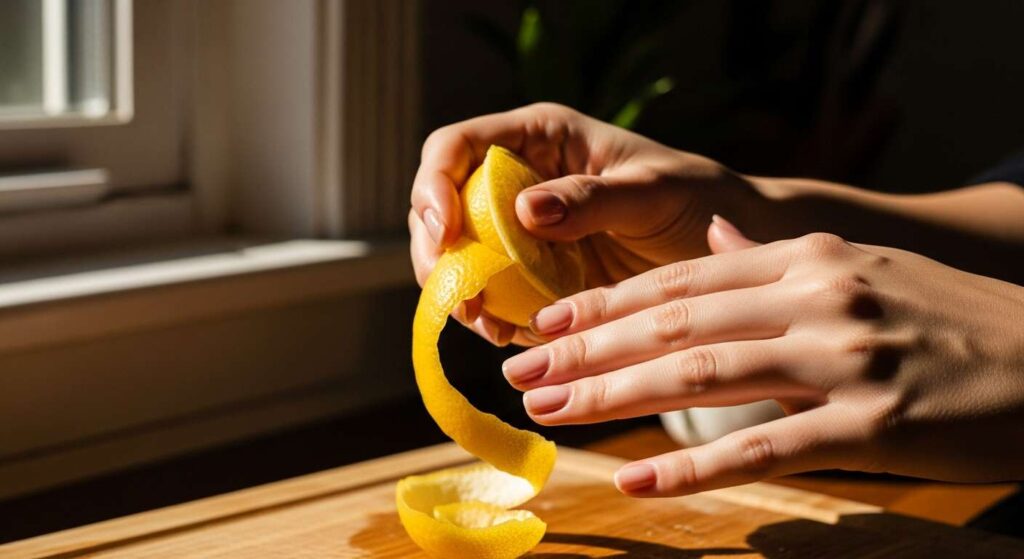
Yellow nails can undermine an otherwise polished appearance, prompting many to seek effective solutions. Among the array of treatments available, a simple lemon peel rub has emerged as a popular natural remedy, harnessing the power of citric acid to restore nails to their former brightness. This age-old technique offers an accessible and chemical-free approach to tackling discolouration, making it a favoured option for those preferring natural beauty treatments.
Introduction to the natural remedy: lemon
The historical use of lemon in beauty care
Lemon has long held a place in traditional beauty regimens across numerous cultures. From ancient Egypt to Victorian England, this citrus fruit has been valued for its cleansing and brightening properties. Historical records indicate that women used lemon juice to lighten skin blemishes and enhance their complexion, whilst its application extended to hair care and nail treatments. The fruit’s natural acidity made it particularly useful for removing stains and restoring lustre to various surfaces, including keratin-based structures like nails.
Why lemon remains relevant today
In an era dominated by synthetic cosmetics, lemon continues to command attention for several compelling reasons. Its accessibility and affordability make it an attractive option for budget-conscious consumers. Moreover, the growing preference for natural ingredients has revitalised interest in traditional remedies. Lemon offers a straightforward solution without the complex chemical formulations found in commercial nail whiteners, appealing to those concerned about potential side effects or environmental impact.
This enduring popularity sets the stage for understanding why nails develop discolouration in the first place.
The causes of yellow nails
Common lifestyle factors
Several everyday habits contribute to nail yellowing, with nail polish use ranking among the most prevalent causes. Dark or highly pigmented lacquers, particularly reds and oranges, can stain the nail plate when applied without a protective base coat. The porous nature of nails allows these pigments to penetrate, leaving behind stubborn discolouration even after removal.
Smoking represents another significant culprit. The tar and nicotine in cigarettes create a distinctive yellow-brown staining pattern, typically affecting the fingers used to hold cigarettes. This type of discolouration often proves more resistant to treatment than polish-related staining.
Health-related causes
Beyond cosmetic factors, certain medical conditions can manifest as nail yellowing. Fungal infections frequently produce this symptom, accompanied by thickening and brittleness. Respiratory conditions, liver disorders, and diabetes may also present with nail discolouration as a secondary symptom. Additionally, some medications, particularly certain antibiotics, can cause temporary yellowing as a side effect.
Environmental and chemical exposure
Regular contact with harsh cleaning products, dyes, or industrial chemicals can gradually stain nails. Even seemingly innocuous substances like turmeric or hair dye can leave their mark when handled without protective gloves. The cumulative effect of these exposures builds up over time, creating increasingly noticeable discolouration.
Understanding these causes illuminates why citric acid proves so effective in addressing the problem.
How lemon acts on nail stains
The chemistry of citric acid
Citric acid, the primary active component in lemon, functions as a natural bleaching agent. This weak organic acid works by breaking down the molecular bonds in pigmented compounds, effectively lifting stains from the nail surface. Its pH level, typically between 2 and 3, creates an acidic environment that dissolves discolouration without damaging the underlying nail structure when used appropriately.
Mechanical and chemical action combined
The lemon peel rub employs both chemical and physical mechanisms to achieve results. The citric acid provides the chemical whitening action, whilst the peel’s slightly abrasive texture offers gentle exfoliation. This dual approach proves particularly effective because:
- The acid penetrates surface stains and begins breaking them down
- The peel’s texture helps physically remove loosened pigment particles
- Essential oils in the peel condition the nail and surrounding skin
- The combination accelerates the whitening process compared to acid alone
Additional beneficial compounds
Beyond citric acid, lemon contains vitamin C and antioxidants that support nail health. Vitamin C contributes to collagen production, strengthening the nail structure, whilst antioxidants help protect against further damage from environmental stressors. These complementary benefits make lemon a comprehensive treatment rather than merely a cosmetic fix.
With this scientific foundation established, practical application techniques become the next consideration.
Effective techniques for applying lemon peel
The basic rub method
The simplest application involves using fresh lemon peel directly on bare nails. After removing any polish, take a piece of lemon peel approximately the size of your thumbnail. Rub the white pith side against each nail using circular motions for 30 to 60 seconds per nail. The natural oils and citric acid transfer onto the nail surface during this process, beginning the whitening action immediately.
The soaking technique
For more stubborn staining, a soaking method offers enhanced penetration. Squeeze the juice from half a lemon into a small bowl, then immerse your fingertips for 10 to 15 minutes. This extended contact allows the citric acid to work more thoroughly on deep-set stains. Some practitioners add warm water to dilute the juice slightly, reducing intensity whilst maintaining effectiveness.
The paste application
Creating a lemon-based paste provides targeted treatment with prolonged contact. Mix fresh lemon juice with baking soda to form a thick consistency, then apply this mixture to each nail. Allow it to sit for five to ten minutes before rinsing. The baking soda adds mild abrasive properties whilst also helping to neutralise acidity, making this method suitable for sensitive individuals.
| Method | Duration | Best for |
|---|---|---|
| Direct peel rub | 1-2 minutes total | Light staining, maintenance |
| Soaking | 10-15 minutes | Moderate to heavy staining |
| Paste application | 5-10 minutes | Stubborn stains, sensitive skin |
However, even natural remedies require careful use to avoid unwanted effects.
Precautions and tips for optimal use
Protecting surrounding skin
The acidity that makes lemon effective on nails can irritate delicate cuticles and surrounding skin. Before treatment, apply a barrier cream or petroleum jelly around the nail bed to protect these areas. This simple precaution prevents dryness, redness, and potential inflammation whilst allowing full treatment of the nail itself.
Avoiding excessive use
Overuse of acidic treatments can weaken nails, making them brittle and prone to splitting. Limit lemon treatments to no more than three times weekly, allowing recovery periods between applications. Signs of overuse include increased brittleness, peeling layers, or sensitivity. Should these symptoms appear, discontinue treatment immediately and focus on moisturising and strengthening.
Sun exposure considerations
Citrus compounds can increase photosensitivity, making skin and nails more susceptible to sun damage. After lemon treatment, thoroughly rinse hands and avoid prolonged sun exposure for several hours. When outdoor activities are planned, apply treatment in the evening rather than morning, allowing overnight recovery.
When to seek professional advice
Certain situations warrant professional consultation rather than self-treatment. If yellowing appears suddenly, affects all nails simultaneously, or accompanies other symptoms like pain, swelling, or nail separation, these may indicate underlying health conditions requiring medical attention. Persistent discolouration despite consistent treatment also merits professional evaluation to rule out fungal infections or other medical causes.
Understanding proper usage naturally leads to questions about effectiveness and timing.
Expected results and frequency of use
Timeline for visible improvement
Results from lemon peel treatments vary depending on stain severity and consistency of application. Light surface staining from recent nail polish use often shows improvement within three to five applications. Moderate discolouration typically requires two to three weeks of regular treatment, whilst heavy staining from smoking or prolonged polish use may need four to six weeks of consistent application before significant whitening becomes apparent.
Realistic expectations
Whilst lemon proves effective for many types of nail discolouration, it cannot address all causes equally. Surface stains from cosmetics or environmental exposure respond best to this treatment. However, deep staining from certain medications or systemic health conditions may show limited improvement. Additionally, nails damaged by fungal infections require antifungal treatment alongside or instead of whitening remedies.
Maintenance strategies
Once desired whitening is achieved, maintaining results requires ongoing attention. Consider these maintenance approaches:
- Always use a base coat before applying coloured nail polish
- Perform lemon treatments once weekly as preventive care
- Wear gloves when handling staining substances
- Keep nails well-moisturised to prevent absorption of pigments
- Allow nails regular polish-free periods to breathe and recover
Combining with other nail care practices
Lemon treatments work best as part of a comprehensive nail care routine. Regular moisturising with cuticle oil helps maintain nail flexibility and health. Proper nutrition, particularly adequate protein and biotin intake, supports strong nail growth. Filing nails correctly and avoiding harsh treatments preserves structural integrity, allowing whitening treatments to work more effectively on healthy nails.
The lemon peel rub offers a proven, accessible method for addressing yellow nails through the natural bleaching action of citric acid. This traditional remedy combines chemical whitening with gentle exfoliation, making it effective against common causes of discolouration including nail polish staining and environmental exposure. When applied correctly with appropriate precautions, lemon treatments can restore nail brightness within several weeks, though results vary based on stain severity. Success requires consistency, patience, and integration into a broader nail care routine that includes protection, moisturising, and healthy lifestyle choices. For persistent or medically-related discolouration, professional consultation remains advisable to ensure proper diagnosis and treatment.