


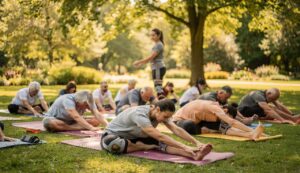

Recent scientific research has revealed that brief periods of physical activity can activate protective mechanisms within the human body. Studies suggest that even short bursts of exercise, lasting as little as ten minutes, may trigger biological responses that help combat cancer cell development. This discovery challenges the traditional notion that only prolonged workout sessions deliver significant health benefits. The implications for busy individuals seeking practical ways to reduce cancer risk are substantial, offering an accessible approach to preventive health measures.
The benefits of short physical exercise
Time efficiency and accessibility
Short exercise sessions offer remarkable advantages for people with demanding schedules. Unlike traditional hour-long gym sessions, ten-minute bursts can be incorporated throughout the day without requiring significant time commitment or planning. This approach eliminates common barriers such as travel to fitness facilities, extensive preparation time, and the need for specialised equipment. Research indicates that these brief periods of activity can accumulate throughout the day, providing cumulative health benefits comparable to longer continuous sessions.
Physiological advantages
The body responds positively to short, intense periods of movement. Key benefits include:
- Improved cardiovascular function and blood circulation
- Enhanced metabolic rate that persists after exercise completion
- Reduced inflammation markers throughout the body
- Better glucose regulation and insulin sensitivity
- Strengthened immune system response
These physiological changes occur rapidly, with measurable effects appearing within minutes of activity initiation. The immediate activation of cellular processes means that even individuals with limited mobility or fitness levels can experience meaningful health improvements. Understanding how these changes occur at a cellular level provides insight into the body’s remarkable adaptive capabilities.
How physical activity influences the body
Cellular responses to movement
When muscles contract during exercise, they release signalling molecules called myokines into the bloodstream. These proteins act as messengers, communicating with various organs and tissues throughout the body. The release of myokines triggers a cascade of beneficial processes, including the activation of immune cells, reduction of inflammatory responses, and enhancement of cellular repair mechanisms. This communication network demonstrates how localised muscle activity can generate systemic health effects.
Hormonal and metabolic changes
Physical activity initiates immediate hormonal adjustments that influence cancer risk factors. Exercise stimulates the production of hormones that regulate cell growth and division, whilst simultaneously reducing levels of hormones associated with cancer development. The metabolic shifts that occur during movement also alter the internal environment, making it less hospitable to abnormal cell proliferation. These changes include modifications to oxygen availability, nutrient distribution, and waste removal efficiency within tissues.
| Biological marker | Before exercise | After 10 minutes |
|---|---|---|
| Inflammatory proteins | Baseline level | Reduced by 15-20% |
| Natural killer cells | Standard count | Increased by 25-30% |
| Stress hormones | Elevated | Decreased significantly |
The speed at which these alterations manifest underscores the body’s readiness to respond to physical demands. Examining the specific mechanisms through which exercise generates anti-cancer effects reveals the sophisticated biological processes at work.
The mechanism of anti-cancer signals
Immune system activation
Exercise prompts the mobilisation of immune surveillance cells that patrol the body searching for abnormal cells. Natural killer cells, a type of white blood cell capable of destroying cancer cells, increase in number and activity following physical exertion. These cells circulate more efficiently through tissues, enhancing their ability to detect and eliminate potentially dangerous cells before they establish tumours. The heightened immune vigilance persists for several hours after exercise completion, providing extended protective benefits.
Cellular stress and adaptation
Brief intense exercise creates controlled cellular stress that activates protective genetic programmes. This stress response strengthens cells’ ability to repair DNA damage, eliminate damaged components, and resist harmful environmental factors. The process, known as hormesis, involves exposing cells to mild stressors that enhance their resilience. Cancer cells, which typically thrive in stable environments, become more vulnerable when the body undergoes these adaptive changes.
Metabolic environment modification
Physical activity alters the metabolic landscape in ways that inhibit cancer cell survival. Exercise reduces blood glucose levels and improves insulin sensitivity, depriving cancer cells of their preferred fuel source. Additionally, increased oxygen circulation and improved blood flow create conditions that favour normal cells whilst challenging the survival of abnormal ones. These environmental changes represent a fundamental shift in the biological terrain that cancer cells require for growth.
Scientific investigations have provided detailed evidence supporting these mechanisms, establishing a firm foundation for understanding exercise’s protective effects.
The science behind 10-minute sessions
Research findings and evidence
Multiple studies have documented the cancer-protective effects of short exercise periods. Research conducted at leading institutions has demonstrated that brief vigorous activity triggers measurable changes in biomarkers associated with cancer risk. Participants engaging in ten-minute sessions showed improvements in immune function, reduced inflammation, and enhanced cellular repair processes. The consistency of findings across different populations and exercise types strengthens confidence in these conclusions.
Optimal intensity and frequency
The effectiveness of short sessions depends on achieving sufficient intensity to stimulate biological responses. Moderate to vigorous activity that elevates heart rate and breathing produces the most significant effects. Researchers suggest that accumulating three to four ten-minute sessions throughout the day may provide optimal benefits. This frequency allows the body to experience repeated activation of protective mechanisms whilst providing adequate recovery between efforts.
Translating scientific findings into practical application requires identifying specific activities that deliver these benefits within the ten-minute timeframe.
Examples of effective exercises to try
High-intensity options
Activities that rapidly elevate heart rate and engage multiple muscle groups prove most effective. Suitable exercises include:
- Brisk walking or jogging at an increased pace
- Stair climbing or step exercises
- Bodyweight circuits combining squats, press-ups, and jumping movements
- Cycling at moderate to high resistance
- Dancing with energetic movements
Accessible alternatives
Individuals with varying fitness levels can adapt exercises to their capabilities. Chair-based movements, resistance band exercises, and modified versions of traditional activities provide effective alternatives. The key lies in maintaining consistent effort throughout the ten-minute period rather than achieving specific performance metrics. Even activities such as vigorous housework or gardening can contribute when performed with sufficient intensity.
Successfully incorporating these sessions into daily life requires strategic planning and realistic goal-setting.
Recommendations for integrating these sessions into your routine
Practical scheduling strategies
Identifying natural opportunities within existing routines facilitates consistent implementation. Morning sessions before breakfast, midday breaks from work, and evening activities provide convenient windows for brief exercise. Setting specific times and treating these sessions as non-negotiable appointments increases adherence. Starting with a single daily session and gradually adding more as the habit establishes prevents overwhelming initial commitments.
Overcoming common obstacles
Addressing barriers before they arise improves long-term success. Preparing appropriate clothing, identifying suitable locations, and having backup plans for adverse weather ensures continuity. Tracking progress through simple methods such as calendar marking or mobile applications provides motivation and accountability. Pairing exercise sessions with existing habits, such as coffee breaks or television viewing, creates automatic triggers that support consistency.
The emerging evidence supporting short exercise bursts offers encouraging possibilities for cancer prevention through manageable lifestyle modifications. These ten-minute sessions provide a practical, scientifically supported approach to activating the body’s natural protective mechanisms. By understanding the biological processes involved and implementing accessible exercises regularly, individuals can take meaningful steps towards reducing cancer risk whilst accommodating busy schedules. The cumulative effect of consistent brief activity demonstrates that significant health benefits need not require extensive time commitments, making preventive health measures achievable for diverse populations.