



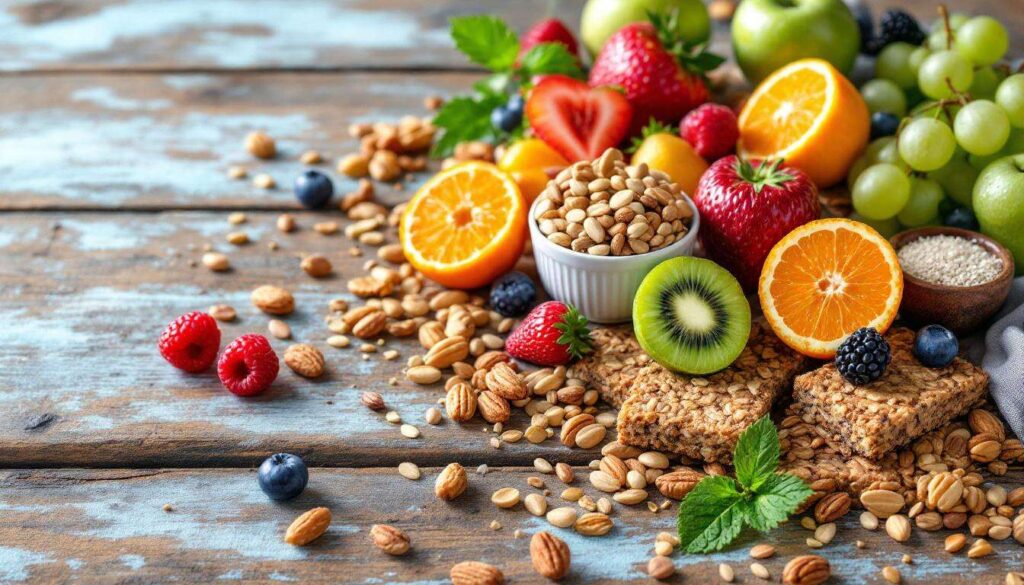
Breaking free from sugar dependency requires more than willpower; it demands practical alternatives that satisfy cravings whilst nourishing the body. The modern diet contains hidden sugars in countless processed foods, making it increasingly difficult to maintain healthy eating habits. Fortunately, creating delicious snacks without refined sugar is entirely achievable with the right recipes and ingredients. These eleven snack ideas demonstrate that reducing sugar intake doesn’t mean sacrificing flavour or satisfaction.
The benefits of a sugar-free diet
Improved energy levels and metabolic health
Eliminating or drastically reducing sugar intake transforms how the body processes energy. Rather than experiencing the dramatic spikes and crashes associated with refined sugar consumption, individuals following a sugar-free diet maintain steady blood glucose levels throughout the day. This stability translates into sustained energy, improved concentration, and enhanced productivity.
The metabolic advantages extend beyond energy regulation. Research consistently demonstrates that reducing sugar intake improves insulin sensitivity, decreases inflammation markers, and supports healthy weight management. The body becomes more efficient at utilising stored fat for energy when not constantly flooded with simple carbohydrates.
Enhanced mental clarity and mood stability
The connection between sugar consumption and mental health has gained significant attention in recent years. Excessive sugar intake correlates with increased anxiety, depression, and cognitive decline. By contrast, a sugar-free diet supports:
- Improved focus and concentration
- Reduced brain fog and mental fatigue
- More stable emotional responses
- Better sleep quality and circadian rhythm regulation
- Decreased risk of neurodegenerative conditions
Physical health improvements
The visible and measurable health benefits of reducing sugar intake are numerous. Dental health improves dramatically when sugar-feeding bacteria no longer thrive in the oral environment. Skin conditions such as acne, eczema, and premature ageing often diminish as inflammatory responses decrease. Cardiovascular health markers typically improve, with reductions in triglycerides and blood pressure commonly observed.
| Health Marker | Average Improvement | Timeframe |
|---|---|---|
| Blood glucose stability | 25-40% reduction in spikes | 2-4 weeks |
| Energy levels | 30-50% increase | 1-3 weeks |
| Inflammation markers | 20-35% reduction | 4-8 weeks |
| Sleep quality | 40% improvement | 2-6 weeks |
Understanding these benefits provides motivation for exploring alternative snack options that support rather than undermine health goals.
Natural ingredients for healthy snacks
Whole foods as the foundation
The most effective sugar-free snacks rely on whole, unprocessed ingredients that provide natural sweetness alongside essential nutrients. Nuts and seeds offer healthy fats, protein, and satisfying crunch. Vegetables provide fibre, vitamins, and minerals whilst maintaining low glycaemic impact. Fresh fruits contain natural sugars balanced by fibre, making them far superior to refined alternatives.
Building snacks around these ingredients ensures nutritional density whilst naturally limiting sugar intake. The key lies in selecting ingredients that complement each other to create satisfying flavour profiles without requiring added sweeteners.
Natural sweeteners for occasional use
When sweetness is desired, certain natural options provide flavour without the metabolic disruption of refined sugar. These alternatives should still be used sparingly:
- Dates and date paste for binding and sweetening
- Stevia for zero-calorie sweetness
- Monk fruit extract as a natural alternative
- Small amounts of raw honey for its antimicrobial properties
- Coconut sugar for lower glycaemic impact
Flavour enhancers that reduce sugar cravings
Certain ingredients naturally enhance flavour perception, reducing the need for sweetness altogether. Cinnamon provides warmth and sweetness perception whilst supporting blood sugar regulation. Vanilla extract offers aromatic complexity. Sea salt heightens other flavours and satisfies taste receptors. Cacao provides rich chocolate flavour with beneficial compounds and minimal sugar.
These foundation ingredients form the basis for creating snacks that genuinely satisfy without triggering sugar cravings.
Savoury snack recipes to limit sugar
Herb and seed crackers
Combining ground flaxseeds, chia seeds, and sesame seeds with water creates a nutrient-dense cracker base. Add dried herbs such as rosemary, thyme, and oregano with sea salt. Spread thinly on baking paper and dehydrate or bake at low temperature until crisp. These crackers provide omega-3 fatty acids, protein, and satisfying crunch without any sugar.
Roasted chickpeas with spices
Drain and dry tinned chickpeas thoroughly, then toss with olive oil and chosen spices. Paprika, cumin, and garlic powder create a smoky flavour profile, whilst curry powder offers aromatic complexity. Roast at 200°C for 30-40 minutes until crispy. These provide plant-based protein and fibre whilst satisfying the desire for crunchy snacks.
Vegetable crisps with tahini dip
Thinly slice beetroot, parsnips, and sweet potatoes using a mandoline. Toss with minimal olive oil and sea salt, then bake until crisp. Pair with a tahini dip made from sesame paste, lemon juice, garlic, and water. This combination delivers vitamins, minerals, and healthy fats whilst remaining completely sugar-free.
Additional savoury options
- Kale crisps seasoned with nutritional yeast
- Cucumber rounds topped with smoked salmon and cream cheese
- Devilled eggs with mustard and paprika
- Stuffed mini peppers with herbed cheese
These savoury alternatives help retrain taste buds away from constant sweetness expectations.
Sweet snacks without added sugar: how to make them ?
Date and nut energy balls
Process Medjool dates with almonds, walnuts, and cacao powder until the mixture holds together when pressed. Roll into balls and coat with desiccated coconut or additional cacao. These naturally sweet treats provide sustained energy from healthy fats and fibre, preventing blood sugar spikes whilst satisfying sweet cravings.
Frozen banana ice cream
Slice ripe bananas and freeze until solid. Blend frozen banana pieces in a high-powered blender until smooth and creamy, resembling soft-serve ice cream. Add cacao powder for chocolate flavour, or vanilla extract and cinnamon for variety. This single-ingredient dessert provides natural sweetness with beneficial potassium and fibre.
Apple slices with almond butter
Core and slice fresh apples, spreading each slice with unsweetened almond butter. Sprinkle with cinnamon for enhanced flavour. This simple combination balances the natural fruit sugars with protein and healthy fats, creating a satisfying snack that stabilises blood sugar rather than disrupting it.
Coconut and berry chia pudding
Combine chia seeds with coconut milk and allow to soak overnight. The seeds absorb liquid and create a pudding-like consistency. Top with fresh berries for natural sweetness and antioxidants. This snack provides omega-3 fatty acids, fibre, and sustained energy without any added sugars.
Mastering these recipes provides practical tools for maintaining a sugar-free lifestyle, though success also requires broader dietary strategies.
Tips for adopting a sugar-free diet
Gradual reduction rather than abrupt elimination
Attempting to eliminate all sugar overnight often leads to intense cravings and eventual relapse. A more sustainable approach involves progressively reducing sugar intake over several weeks. Begin by eliminating obvious sources such as fizzy drinks and confectionery, then address hidden sugars in sauces, condiments, and processed foods. This gradual approach allows taste buds to adapt and reduces withdrawal symptoms.
Reading labels and identifying hidden sugars
Sugar appears in ingredient lists under numerous names, making vigilance essential. Common aliases include:
- Sucrose, glucose, fructose, and dextrose
- High-fructose maize syrup
- Maltose, maltodextrin, and malt syrup
- Agave nectar and rice syrup
- Concentrated fruit juice
Developing the habit of scrutinising ingredient lists empowers informed food choices and prevents inadvertent sugar consumption.
Meal planning and preparation
Having sugar-free snacks readily available prevents impulsive choices when hunger strikes. Dedicate time each week to preparing several snack options, storing them in portion-controlled containers. This preparation removes barriers to healthy eating and eliminates excuses for reverting to sugary convenience foods.
Managing social situations and dining out
Social gatherings and restaurants present particular challenges for sugar-free eating. Communicate dietary preferences clearly when dining out, requesting modifications without hesitation. At social events, eat beforehand to reduce temptation, or bring sugar-free contributions to share. Remember that occasional deviations needn’t derail overall progress.
Addressing emotional eating patterns
Many individuals use sugar as an emotional coping mechanism rather than purely for nutrition. Identifying triggers for sugar cravings allows development of alternative responses. Stress, boredom, and fatigue commonly drive sugar consumption. Implementing stress management techniques, ensuring adequate sleep, and finding non-food rewards supports long-term success.
These eleven snack recipes and accompanying strategies provide a comprehensive framework for reducing sugar dependence. The journey towards sugar-free eating requires commitment and planning, yet the health benefits justify the effort. Energy levels stabilise, mental clarity improves, and physical health markers show measurable enhancement. By focusing on whole foods, natural ingredients, and satisfying flavours, it becomes possible to enjoy delicious snacks whilst supporting optimal health. The key lies not in deprivation but in discovering genuinely nourishing alternatives that satisfy both body and palate.