



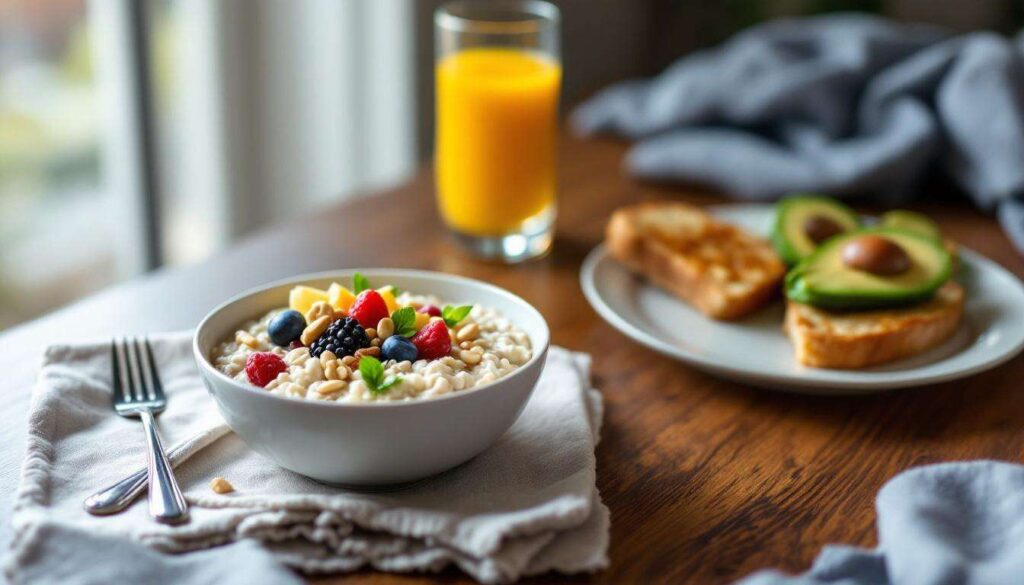
Managing cholesterol levels through dietary choices remains a cornerstone of cardiovascular health. Breakfast, often rushed or skipped entirely, presents an ideal opportunity to incorporate heart-healthy ingredients that actively work to reduce LDL cholesterol. Meal prepping these morning meals ensures consistency whilst eliminating the temptation of less nutritious alternatives during busy weekdays.
Breakfast ideas to reduce cholesterol
Understanding cholesterol-lowering nutrients
Effective cholesterol management through breakfast requires incorporating specific nutrients that have demonstrated clinical benefits. Soluble fibre stands as the most potent dietary component, binding to cholesterol in the digestive system and facilitating its elimination before absorption. Foods rich in beta-glucan, particularly oats and barley, have shown remarkable efficacy in reducing LDL levels by up to 10% when consumed regularly.
Plant sterols and stanols, naturally occurring compounds in nuts, seeds and whole grains, block cholesterol absorption in the intestines. Meanwhile, omega-3 fatty acids from sources such as chia seeds and flaxseeds contribute to overall cardiovascular health by reducing inflammation and triglyceride levels.
Strategic meal prep advantages
Preparing cholesterol-lowering breakfasts in advance offers multiple benefits beyond convenience:
- Ensures consistent nutrient intake throughout the week
- Reduces reliance on processed breakfast options high in saturated fats
- Controls portion sizes and ingredient quality
- Saves morning preparation time when schedules are tightest
Research indicates that individuals who meal prep consume significantly more vegetables and whole grains whilst reducing their intake of refined carbohydrates and unhealthy fats. These breakfast preparations set the foundation for exploring specific recipes that combine taste with therapeutic benefits.
Overnight oats preparation
Basic overnight oats technique
Overnight oats represent perhaps the most versatile cholesterol-lowering breakfast option. The preparation method involves combining rolled oats with liquid in a sealed container and refrigerating overnight, allowing the oats to soften without cooking. This cold-soaking process preserves nutrients whilst developing a creamy texture.
The standard ratio follows one part oats to two parts liquid, though adjustments accommodate personal preference. Suitable liquids include unsweetened almond milk, skimmed dairy milk or soya milk, each contributing additional nutrients without saturated fats.
Cholesterol-reducing variations
| Variation | Key ingredients | Cholesterol benefit |
|---|---|---|
| Apple cinnamon | Diced apple, cinnamon, walnuts | Pectin and omega-3s |
| Berry blast | Mixed berries, chia seeds, almonds | Antioxidants and fibre |
| Banana walnut | Mashed banana, chopped walnuts, flaxseed | Potassium and healthy fats |
| Pumpkin spice | Pumpkin purée, pecans, nutmeg | Beta-carotene and plant sterols |
Each variation provides approximately 8-10 grammes of soluble fibre per serving when prepared with proper proportions. Adding one tablespoon of ground flaxseed or chia seeds increases both fibre content and omega-3 fatty acids, amplifying the cholesterol-lowering effect.
Storage and serving recommendations
Overnight oats maintain optimal freshness for up to five days when stored in airtight glass containers. Prepare multiple servings simultaneously by using individual mason jars, each labelled with preparation dates. Before serving, stir thoroughly and consider adding fresh fruit or a drizzle of honey for enhanced flavour without compromising nutritional benefits.
Whilst overnight oats offer convenience and nutrition, some individuals prefer warm breakfast options that provide similar health advantages.
Scrambled eggs with spinach
Protein-rich heart-healthy preparation
Scrambled eggs combined with leafy greens deliver substantial protein whilst incorporating vegetables that support cholesterol management. Contrary to outdated nutritional advice, moderate egg consumption does not adversely affect cholesterol levels in most individuals, and the high-quality protein promotes satiety throughout the morning.
For meal prep purposes, prepare scrambled eggs using cooking spray or a small amount of olive oil rather than butter, significantly reducing saturated fat content. Incorporate finely chopped spinach, which wilts quickly and adds folate, iron and additional fibre without altering the eggs’ texture.
Batch cooking methodology
- Whisk together eggs with a splash of skimmed milk for creaminess
- Heat a non-stick pan over medium-low temperature
- Add fresh spinach and cook until wilted, approximately two minutes
- Pour egg mixture over spinach and gently fold until just set
- Allow to cool completely before portioning into containers
Store prepared scrambled eggs in microwave-safe containers for up to four days. Reheat gently to prevent rubbery texture, using 50% power for 60-90 seconds. Pair with whole-grain toast to increase fibre intake and create a more substantial meal.
Nutritional enhancement options
Elevate the cholesterol-lowering potential by incorporating additional vegetables such as diced tomatoes, mushrooms or peppers. These additions contribute antioxidants and phytonutrients whilst adding negligible calories. Season with herbs like basil or oregano rather than salt to maintain cardiovascular benefits.
Beyond traditional scrambled preparations, blended breakfast options provide another avenue for incorporating cholesterol-reducing ingredients.
Protein-packed breakfast smoothie
Smoothie composition for cholesterol management
Breakfast smoothies offer rapid preparation and exceptional nutrient density when formulated correctly. The foundation combines plant-based protein powder, frozen fruits and liquid, creating a portable meal that addresses cholesterol concerns through strategic ingredient selection.
Prioritise ingredients with documented cholesterol-lowering properties. Frozen berries provide anthocyanins that reduce oxidative stress, whilst avocado contributes monounsaturated fats that improve HDL to LDL ratios. Adding spinach or kale increases vegetable intake without compromising flavour when balanced with naturally sweet fruits.
Meal prep smoothie strategies
Two approaches facilitate smoothie meal prep. The first involves pre-portioning dry and frozen ingredients into individual bags, storing in the freezer until needed. Each morning requires only adding liquid and blending. The second method involves preparing complete smoothies and freezing in portions, then thawing overnight in the refrigerator.
| Smoothie type | Base ingredients | Protein source | Fibre content |
|---|---|---|---|
| Green power | Spinach, banana, almond milk | Pea protein powder | 7g per serving |
| Berry antioxidant | Mixed berries, Greek yoghurt | Greek yoghurt | 6g per serving |
| Tropical blend | Mango, pineapple, coconut water | Hemp protein | 5g per serving |
Optimising texture and nutrition
Achieve ideal consistency by adding liquid gradually during blending. Start with 200ml and increase as needed to reach desired thickness. Incorporate one tablespoon of ground flaxseed or chia seeds to boost omega-3 content and create a more satisfying texture that prevents rapid blood sugar spikes.
For individuals seeking solid breakfast options with similar nutritional profiles, homemade bars provide portable convenience.
Homemade granola bars
Crafting cholesterol-conscious bars
Commercial granola bars frequently contain excessive added sugars and unhealthy fats that counteract cardiovascular benefits. Homemade versions allow complete control over ingredients, emphasising whole grains, nuts and seeds that actively reduce cholesterol levels.
The base formula combines rolled oats with binding agents such as mashed banana or unsweetened apple sauce, eliminating the need for butter or excessive sweeteners. Nuts and seeds contribute plant sterols and healthy fats, whilst dried fruits provide natural sweetness and additional fibre.
Preparation and storage guidelines
- Combine three cups rolled oats with one cup mixed nuts and seeds
- Mix in half cup dried fruit and two tablespoons ground flaxseed
- Bind with mashed banana and two tablespoons honey or maple syrup
- Press firmly into lined baking tin and bake at 180°C for 25 minutes
- Cool completely before cutting into individual bars
Wrap bars individually in parchment paper and store in airtight containers for up to two weeks at room temperature, or freeze for extended storage up to three months. These bars provide sustained energy without the cholesterol-raising saturated fats found in many convenience breakfast options.
Another approach to portable, nutrient-dense breakfasts involves blended preparations served in bowls.
Berry and chia smoothie bowl
Smoothie bowl fundamentals
Smoothie bowls differ from drinkable versions through thicker consistency and elaborate toppings that add textural variety and nutritional complexity. The base requires less liquid, creating a spoonable texture that supports substantial toppings without becoming watery.
Frozen berries form the ideal foundation, providing antioxidants whilst creating naturally thick consistency without ice. Chia seeds contribute omega-3 fatty acids and soluble fibre that specifically targets cholesterol reduction, expanding in the mixture to enhance satiety.
Strategic topping selections
Toppings transform smoothie bowls from simple blended fruit into complete, balanced meals. Choose options that complement the cholesterol-lowering mission:
- Sliced almonds or walnuts for plant sterols and healthy fats
- Fresh berries to increase antioxidant content
- Unsweetened coconut flakes for texture and medium-chain triglycerides
- Pumpkin seeds providing magnesium and additional plant sterols
- A drizzle of almond butter for protein and monounsaturated fats
Meal prep adaptation
Prepare smoothie bowl bases in batches by blending ingredients and freezing in individual portions using silicone moulds or containers. Each morning, remove one portion and allow to soften slightly whilst preparing toppings. This method preserves nutritional integrity whilst maintaining convenience. Store pre-portioned toppings separately in small containers to maintain freshness and crunchiness.
For those preferring baked goods that travel well, another option combines nutrition with convenience.
No-bake breakfast biscuit
Creating nutritious no-bake options
No-bake breakfast biscuits eliminate cooking time whilst delivering concentrated nutrition through nutrient-dense ingredients. These preparations rely on natural binding properties of dates, nut butters and oats, creating cohesive textures without flour or added fats.
The base typically combines pitted dates processed until sticky, mixed with oats and nut butter. This combination provides soluble fibre from oats, healthy fats from nuts, and natural sweetness from dates, creating satisfying biscuits that support cholesterol management.
Preparation methodology
Process 200g pitted dates in a food processor until they form a paste. Add 150g rolled oats, 100g almond butter and one tablespoon chia seeds, pulsing until mixture holds together when pressed. Roll into balls or press into moulds, then refrigerate for minimum two hours to firm.
These biscuits maintain quality for one week refrigerated or three months frozen. Their portable nature makes them ideal for rushed mornings or mid-morning snacks that prevent unhealthy choices later in the day.
Flavour variations
| Variation | Additional ingredients | Nutritional highlight |
|---|---|---|
| Chocolate orange | Cacao powder, orange zest | Flavonoids from cacao |
| Coconut lime | Desiccated coconut, lime zest | Medium-chain fatty acids |
| Apple cinnamon | Dried apple, cinnamon | Additional pectin fibre |
Each variation maintains the cholesterol-lowering foundation whilst offering flavour diversity that prevents breakfast monotony throughout the week.
Implementing these twelve breakfast meal prep strategies provides practical tools for managing cholesterol through dietary intervention. Each option emphasises soluble fibre, plant sterols and healthy fats whilst minimising saturated fats and refined carbohydrates. Consistency remains crucial, as the cholesterol-lowering effects of these ingredients accumulate over time with regular consumption. By dedicating time to weekend meal preparation, individuals create a framework for sustained heart health that withstands the pressures of busy weekday schedules.