



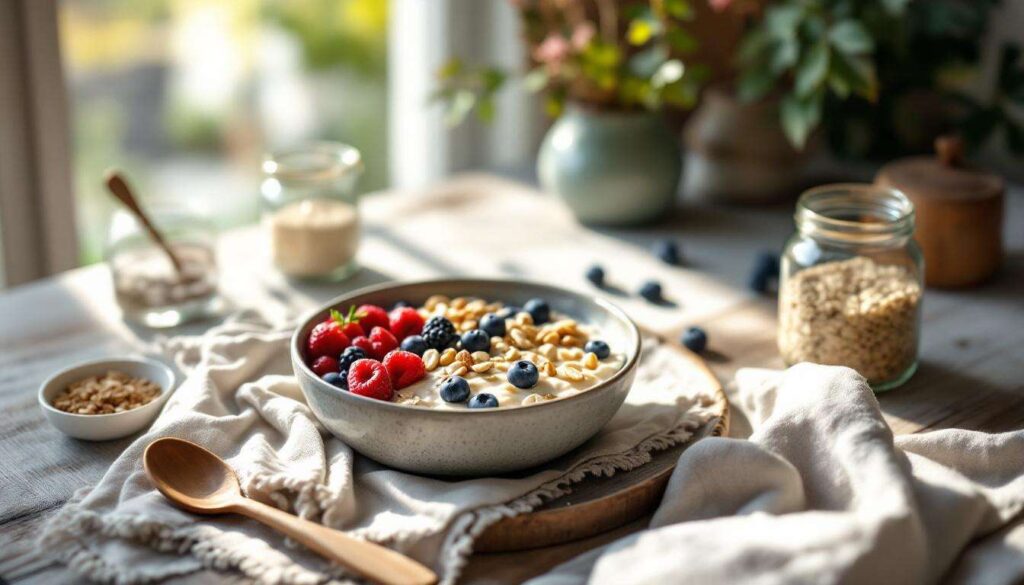
Overnight oats have emerged as a convenient breakfast solution for those seeking to manage their weight whilst maintaining a nutritious diet. This simple preparation method transforms ordinary porridge into a versatile meal that can be customised to suit individual tastes and dietary requirements. By soaking oats in liquid overnight, you create a ready-to-eat breakfast that requires no morning cooking, making it ideal for busy lifestyles. The combination of fibre, protein, and healthy fats in properly prepared overnight oats provides sustained energy throughout the morning, helping to reduce mid-morning cravings that often derail weight loss efforts. With endless flavour combinations and nutritional variations, this breakfast option has become increasingly popular amongst health-conscious individuals looking for practical solutions to their dietary goals.
The benefits of overnight oats for weight loss
High fibre content for satiety
Oats contain beta-glucan, a soluble fibre that forms a gel-like substance in the digestive system. This process slows down digestion and helps you feel fuller for longer periods, which naturally reduces overall calorie intake throughout the day. A single serving of oats provides approximately 4 grams of fibre, contributing significantly to the recommended daily intake of 25-30 grams. This sustained feeling of fullness prevents the tendency to snack between meals, a common obstacle in weight management programmes.
Balanced macronutrient profile
The nutritional composition of overnight oats supports weight loss through a balanced distribution of macronutrients. Each serving provides complex carbohydrates that release energy gradually, preventing blood sugar spikes and subsequent crashes that trigger hunger. When prepared with protein-rich additions such as Greek yoghurt or protein powder, overnight oats deliver a complete breakfast that supports muscle maintenance during calorie restriction. The slow-release energy provided by this combination helps maintain metabolic function throughout the morning.
Portion control and meal preparation
Preparing overnight oats in individual containers naturally encourages portion control, eliminating the guesswork involved in serving sizes. This preparation method also supports consistent eating patterns, as having breakfast ready reduces the likelihood of skipping meals or making impulsive food choices. The convenience factor cannot be overstated: when healthy options are readily available, adherence to weight loss plans improves dramatically.
Understanding these fundamental benefits provides the foundation for creating effective overnight oats recipes that support your weight loss journey whilst delivering essential nutrients.
How to prepare healthy overnight oats
Basic preparation method
The fundamental technique for overnight oats involves combining rolled oats with liquid in a ratio of approximately 1:1 or 1:1.5, depending on desired consistency. The process requires minimal effort:
- Combine oats and liquid in a jar or container with a secure lid
- Add chosen flavourings, sweeteners, and nutritional boosters
- Stir thoroughly to ensure even distribution
- Refrigerate for at least 4 hours, though overnight soaking produces optimal texture
- Consume cold or warm gently before eating
Choosing the right liquid base
The liquid component significantly impacts both nutritional value and caloric content. Unsweetened almond milk provides a low-calorie option with approximately 30-40 calories per cup, whilst skimmed milk offers additional protein with around 80 calories. Coconut milk creates a creamier texture but contains more calories, making portion awareness essential. For those seeking maximum protein content, mixing Greek yoghurt with a small amount of milk creates an exceptionally satisfying base that supports muscle maintenance during weight loss.
Optimal ingredient ratios for weight management
| Ingredient | Quantity | Approximate calories |
|---|---|---|
| Rolled oats | 40-50g | 150-190 |
| Liquid base | 120-180ml | 30-90 |
| Protein addition | 50-100g | 50-100 |
| Fruit/toppings | 50-80g | 30-60 |
These proportions create a breakfast containing approximately 250-350 calories, suitable for most weight loss plans whilst providing adequate nutrition to sustain morning activities.
With the basic preparation method established, exploring specific recipe combinations allows for variety whilst maintaining nutritional objectives.
Overnight oats with yoghurt and berries
Nutritional advantages of berry additions
Berries rank amongst the most nutrient-dense fruits available, offering high antioxidant content with relatively few calories. Blueberries, strawberries, and raspberries provide vitamins C and K, manganese, and fibre whilst containing natural sugars that satisfy sweet cravings without derailing weight loss efforts. The polyphenols in berries may also support metabolic health and reduce inflammation, factors that can influence weight management success.
Recipe variation one: classic berry blend
This straightforward combination delivers balanced nutrition with appealing flavour:
- 50g rolled oats
- 100g low-fat Greek yoghurt
- 80ml unsweetened almond milk
- 80g mixed berries (fresh or frozen)
- 1 teaspoon honey or maple syrup (optional)
- Pinch of vanilla extract
The Greek yoghurt contributes approximately 10 grams of protein, enhancing satiety whilst the berries provide natural sweetness and vibrant colour. This combination typically yields around 280-320 calories, depending on sweetener usage.
Recipe variation two: protein-enhanced berry oats
For those requiring additional protein, incorporating protein powder creates a more substantial breakfast. Mix 40g oats with 150ml almond milk, 15g vanilla protein powder, and 70g mixed berries. This version provides approximately 25 grams of protein whilst maintaining calorie content around 300-330 calories. The increased protein content proves particularly beneficial for those combining weight loss efforts with resistance training programmes.
Beyond berries, incorporating seeds adds another dimension of nutrition and texture to overnight oats preparations.
Chia seed oatmeal recipe
Nutritional profile of chia seeds
Chia seeds contribute omega-3 fatty acids, additional fibre, and plant-based protein to overnight oats. Two tablespoons contain approximately 140 calories but provide 10 grams of fibre and 4 grams of protein. These tiny seeds absorb liquid and create a pudding-like consistency that many find appealing. The omega-3 content supports cardiovascular health, an important consideration during weight loss when dietary fat intake may be restricted.
Basic chia overnight oats recipe
This recipe combines the benefits of oats and chia seeds for maximum nutritional impact:
- 40g rolled oats
- 2 tablespoons chia seeds
- 180ml unsweetened coconut milk
- 1 teaspoon honey
- Half teaspoon cinnamon
- 50g sliced banana
The chia seeds require adequate liquid to expand properly, hence the increased liquid ratio. Allow this mixture to soak for at least 6 hours for optimal texture. The cinnamon not only enhances flavour but may also help regulate blood sugar levels, supporting stable energy throughout the morning.
Tropical chia variation
Transform the basic recipe by substituting banana with diced mango and adding shredded coconut. This tropical version provides vitamin A and additional fibre whilst maintaining similar caloric content. The natural sweetness of mango often eliminates the need for added sweeteners, further reducing overall sugar intake.
Whilst seeds add nutrition, incorporating nuts and chocolate creates indulgent flavours that support long-term adherence to healthy eating patterns.
Overnight oats with almonds and dark chocolate
Balancing indulgence with nutrition
Weight loss plans that eliminate all treats often prove unsustainable. Including controlled portions of ingredients like dark chocolate and almonds satisfies cravings whilst providing genuine nutritional benefits. Dark chocolate contains flavonoids that support heart health, whilst almonds provide healthy fats, vitamin E, and magnesium. The key lies in portion management: small amounts deliver flavour and satisfaction without excessive calories.
Chocolate almond overnight oats recipe
This recipe demonstrates how to incorporate seemingly indulgent ingredients responsibly:
- 45g rolled oats
- 120ml unsweetened almond milk
- 80g low-fat Greek yoghurt
- 1 tablespoon cocoa powder
- 10g dark chocolate chips (70% cocoa or higher)
- 15g sliced almonds
- 1 teaspoon maple syrup
The cocoa powder provides rich chocolate flavour with minimal calories, whilst the small quantity of chocolate chips delivers satisfying sweetness. This combination typically contains 320-350 calories with approximately 12 grams of protein and 8 grams of fibre.
Nutritional considerations
When incorporating nuts and chocolate, measuring portions accurately becomes essential. Almonds contain approximately 160 calories per 30 grams, making it easy to inadvertently add excessive calories. Pre-portioning these ingredients when preparing multiple servings helps maintain consistency. The healthy fats in almonds contribute to satiety, potentially reducing overall daily calorie intake despite their caloric density.
Having explored specific recipes, understanding how to create variety whilst maintaining nutritional standards ensures long-term success with overnight oats as a weight loss tool.
Varying flavours while maintaining nutritional balance
Seasonal ingredient rotation
Adapting recipes to seasonal produce keeps overnight oats interesting whilst often reducing costs. Summer berries give way to autumn apples and pears, then winter citrus fruits and pomegranate seeds. This rotation ensures variety in both flavour and nutrient profile, as different fruits provide distinct vitamins and minerals. Seasonal eating also typically means consuming produce at peak ripeness, maximising both taste and nutritional content.
Flavour combinations that support weight loss
Certain flavour pairings enhance satisfaction without adding significant calories:
- Cinnamon and apple with a touch of nutmeg
- Vanilla extract with sliced strawberries
- Almond extract with cherries
- Ginger and pear with a hint of cardamom
- Coffee and cocoa with a dash of cinnamon
These combinations rely on spices and extracts to create complex flavours, reducing dependence on sweeteners. Spices contribute negligible calories whilst potentially offering metabolic benefits.
Maintaining caloric consistency across variations
When creating new flavour combinations, maintaining similar caloric content ensures predictable results for weight management. Use this framework for consistency:
| Component | Purpose | Calorie range |
|---|---|---|
| Oat base | Primary carbohydrate and fibre | 150-190 |
| Protein source | Satiety and muscle maintenance | 50-100 |
| Fruit/flavouring | Vitamins, minerals, taste | 30-60 |
| Healthy fat | Nutrient absorption, satiety | 50-80 |
By keeping each component within these ranges, total breakfast calories remain between 280-430, suitable for most weight loss plans. This structured approach allows creativity whilst preventing caloric creep that can stall progress.
Overnight oats represent a practical solution for those seeking to lose weight without sacrificing convenience or flavour. The preparation method’s simplicity, combined with endless customisation possibilities, makes it suitable for various dietary preferences and nutritional requirements. By focusing on whole ingredients, controlling portions, and incorporating protein-rich additions, these recipes support sustained energy and satiety throughout the morning. The versatility of overnight oats means they can adapt to seasonal availability, personal taste preferences, and specific nutritional goals whilst consistently delivering the fibre and nutrients essential for successful weight management. Whether you prefer fruity combinations, indulgent chocolate variations, or nutrient-dense seed additions, overnight oats provide a foundation for healthy eating habits that extend beyond temporary dieting into sustainable lifestyle changes.