



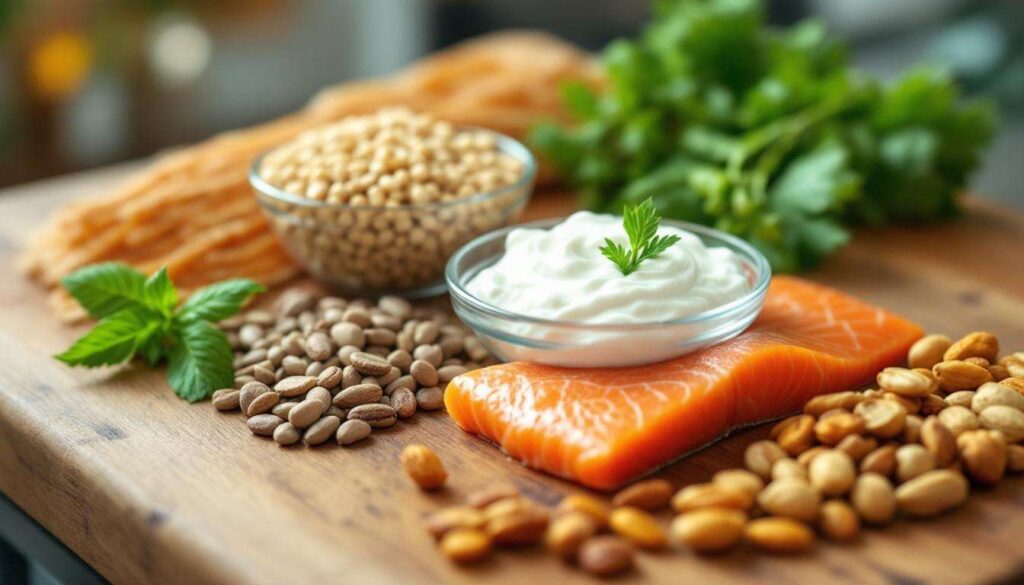
Chicken breast has long been celebrated as the go-to protein source for athletes, fitness enthusiasts, and health-conscious individuals. With approximately 31 grams of protein per 100 grams, it has earned its reputation as a lean, versatile option. However, the nutritional landscape offers a wealth of alternatives that not only match but exceed the protein content of chicken breast. From plant-based powerhouses to seafood and dairy products, these options provide diverse nutritional profiles whilst catering to various dietary preferences and budgets. Exploring these alternatives can transform meal planning and introduce exciting flavours and textures to everyday dishes.
Plant Proteins: Chickpeas Leading the Way
Nutritional Profile of Chickpeas
Chickpeas represent a remarkable plant-based protein source, delivering approximately 19 to 20 grams of protein per 100 grams when cooked or dehydrated. Whilst this falls slightly below chicken breast, their comprehensive nutritional profile makes them a valuable addition to any diet. Beyond protein, chickpeas provide substantial quantities of dietary fibre, essential minerals including iron and folate, and complex carbohydrates that support sustained energy release throughout the day.
Versatility in Culinary Applications
The adaptability of chickpeas in various cuisines makes them particularly appealing for those seeking protein diversity. They feature prominently in numerous preparations:
- Hummus and dips for snacking and appetisers
- Curries and stews for hearty main courses
- Roasted chickpeas as crunchy, portable snacks
- Chickpea flour for baking and coating alternatives
- Salads and grain bowls for balanced meals
Economic and Environmental Considerations
From a budgetary perspective, chickpeas offer exceptional value compared to animal proteins. Their long shelf life when dried, combined with their affordability, makes them accessible to consumers across various income levels. Additionally, legumes like chickpeas require significantly fewer resources to produce than animal proteins, appealing to environmentally conscious consumers. The growing interest in plant-based eating has elevated chickpeas from a niche ingredient to a mainstream staple, with innovative products like chickpea pasta expanding their culinary reach.
Beyond traditional legumes, another unexpected source of protein has captured the attention of nutritionists and health enthusiasts alike.
Spirulina: The Algae with Endless Benefits
Exceptional Protein Density
Spirulina stands out as one of nature’s most concentrated protein sources, containing an impressive 60 to 70 grams of protein per 100 grams in its dried form. This blue-green algae surpasses chicken breast by more than double, making it a powerhouse for those seeking maximum protein intake. The protein in spirulina is considered complete, meaning it contains all nine essential amino acids that the body cannot produce independently.
Additional Nutritional Benefits
| Nutrient | Benefit |
|---|---|
| B Vitamins | Energy metabolism and nervous system support |
| Iron | Oxygen transport and immune function |
| Antioxidants | Cellular protection and inflammation reduction |
| Omega-3 Fatty Acids | Cardiovascular and brain health |
Practical Consumption Methods
Despite its nutritional prowess, spirulina’s strong flavour and vivid colour can present challenges for incorporation into everyday meals. Most consumers find success with these approaches:
- Adding small quantities to smoothies with fruits and vegetables
- Mixing into energy balls or protein bars
- Incorporating into salad dressings or dips
- Taking as tablets or capsules for convenience
The recommended serving size typically ranges from one to three grams daily, making a little go a long way in meeting nutritional needs.
Whilst spirulina offers plant-based protein in concentrated form, the ocean provides another category of protein-rich foods that deserve closer examination.
Fatty Fish: An Often Underestimated Protein Source
Tuna as a Protein Powerhouse
Tuna, particularly varieties such as yellowfin and albacore, delivers between 30 and 40 grams of protein per 100 grams, depending on preparation methods. This positions certain tuna varieties above chicken breast in protein content. Fresh tuna typically contains higher protein levels than canned varieties, though both offer substantial nutritional value. The lean nature of tuna makes it particularly attractive for those monitoring fat intake whilst maximising protein consumption.
Omega-3 Fatty Acids: The Added Advantage
What distinguishes fatty fish from chicken breast extends beyond protein content. These marine sources provide omega-3 fatty acids, particularly EPA and DHA, which support cardiovascular health, cognitive function, and inflammation management. This combination of high-quality protein and beneficial fats creates a nutritional synergy absent in leaner terrestrial proteins.
Variety and Preparation Options
Beyond tuna, numerous fish species offer comparable or superior protein content:
- Salmon: approximately 25-27 grams per 100 grams
- Mackerel: around 26 grams per 100 grams
- Sardines: approximately 25 grams per 100 grams
- Anchovies: roughly 29 grams per 100 grams
These options accommodate various taste preferences and budgets, with canned varieties offering convenience and affordability without significant nutritional compromise.
Moving from seafood to another kitchen staple reveals a protein source that combines accessibility with remarkable versatility.
Eggs: A Classic and Versatile Option
Protein Content and Quality
Eggs provide approximately 13 grams of protein per 100 grams, with a large egg containing roughly 6 to 7 grams. Whilst this appears modest compared to chicken breast, eggs offer protein of exceptional biological value, meaning the body can utilise the amino acids efficiently. The protein distribution between whites and yolks provides flexibility for those managing calorie or fat intake, as egg whites contain virtually pure protein.
Nutritional Completeness
Beyond protein, eggs deliver a comprehensive array of nutrients that enhance their overall value:
| Nutrient | Primary Location | Key Function |
|---|---|---|
| Vitamin D | Yolk | Bone health and immune support |
| Choline | Yolk | Brain development and liver function |
| Selenium | Whole egg | Antioxidant protection |
| B Vitamins | Whole egg | Energy metabolism |
Culinary Adaptability
The versatility of eggs across meal occasions and preparation methods makes them uniquely practical. They function equally well as breakfast staples, lunch components, dinner ingredients, and baking essentials. Their affordability and extended refrigerated shelf life add to their appeal for budget-conscious consumers seeking reliable protein sources.
Another ancient grain has experienced a modern resurgence, offering nutritional benefits that extend well beyond basic protein content.
Quinoa: The Rich Alternative of Complete Proteins
Complete Protein Profile
Quinoa contains approximately 14 grams of protein per 100 grams when cooked, positioning it as a valuable plant-based protein source. What distinguishes quinoa from most plant proteins is its status as a complete protein, containing all nine essential amino acids in adequate proportions. This characteristic makes it particularly valuable for vegetarians and vegans seeking to meet their protein requirements without combining multiple foods.
Additional Nutritional Attributes
The nutritional benefits of quinoa extend considerably beyond protein content:
- High fibre content supporting digestive health
- Significant magnesium levels for muscle and nerve function
- Iron content comparable to many animal sources
- Naturally gluten-free composition
- Low glycaemic index supporting blood sugar management
Practical Integration into Meals
Quinoa’s mild, slightly nutty flavour and fluffy texture when properly prepared make it adaptable across various cuisines. It serves effectively as a rice substitute, salad base, breakfast porridge alternative, or ingredient in baked goods. The grain’s relatively quick cooking time, typically 15 to 20 minutes, adds to its practicality for busy households.
Whilst quinoa offers ancient nutritional wisdom, another legume provides modern solutions to contemporary dietary challenges.
Lentils: An Economical and Nutritious Solution
Protein Content Across Varieties
Lentils deliver approximately 9 grams of protein per 100 grams when cooked, with dried lentils containing roughly 25 grams per 100 grams before preparation. Various lentil types, including red, green, brown, and black varieties, offer slightly different nutritional profiles whilst maintaining consistently high protein levels. This versatility allows consumers to select varieties based on culinary preferences and cooking time requirements.
Economic Accessibility
Lentils represent one of the most affordable protein sources available, making them particularly valuable for individuals and families managing food budgets. Their extended shelf life when stored properly, combined with their minimal preparation requirements, reduces both financial and time costs associated with meal preparation. The absence of soaking requirements for most lentil varieties, unlike many other legumes, further enhances their convenience.
Nutritional Density Beyond Protein
| Nutrient | Amount per 100g (cooked) | Benefit |
|---|---|---|
| Fibre | 8 grams | Digestive health and satiety |
| Folate | 180 micrograms | Cell growth and pregnancy support |
| Iron | 3.3 milligrams | Oxygen transport and energy |
| Potassium | 369 milligrams | Blood pressure regulation |
Culinary Applications
The adaptability of lentils across global cuisines demonstrates their universal appeal. They feature prominently in Indian dals, Mediterranean soups, Middle Eastern stews, and contemporary Western preparations. Their ability to absorb flavours whilst maintaining structural integrity makes them suitable for both traditional recipes and innovative culinary experiments.
The exploration of protein sources beyond chicken breast reveals a diverse landscape of nutritional options. From the concentrated power of spirulina to the economic accessibility of lentils, each alternative offers unique advantages. Plant-based options like chickpeas, quinoa, and lentils provide sustainable, affordable choices rich in complementary nutrients. Fatty fish deliver protein alongside beneficial omega-3 fatty acids, whilst eggs offer unmatched versatility and biological value. These alternatives accommodate various dietary preferences, budgets, and culinary traditions, demonstrating that optimal nutrition need not rely on a single source. By incorporating this variety, individuals can create balanced, interesting meal plans that meet protein requirements whilst enjoying diverse flavours and nutritional benefits.