



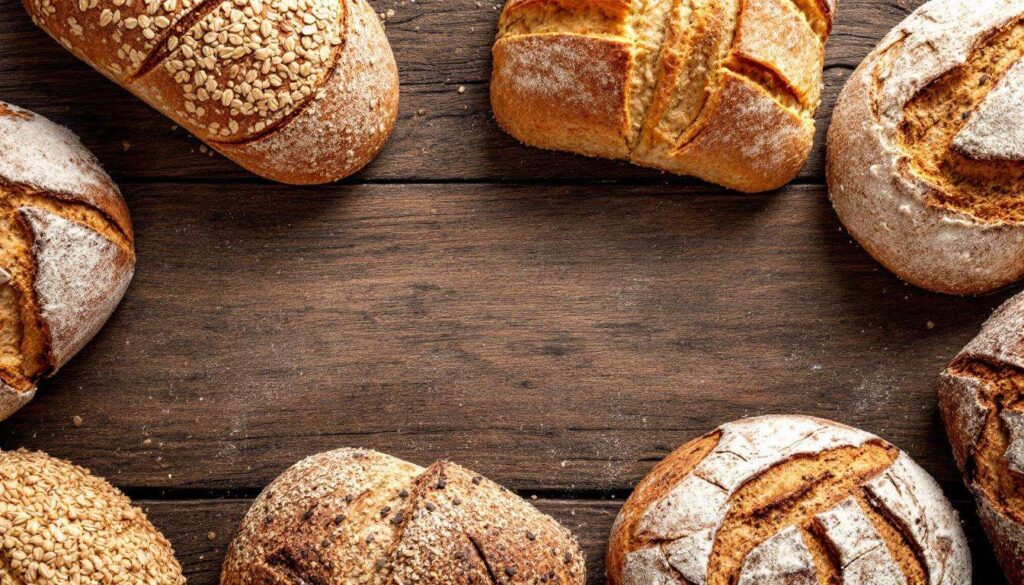
Managing high blood pressure requires careful attention to dietary choices, and bread selection plays a surprisingly significant role in cardiovascular health. With sodium content, refined carbohydrates, and processing methods varying dramatically between different types, understanding which breads support healthy blood pressure levels becomes essential for anyone monitoring their cardiovascular wellness. The right bread choices can provide beneficial nutrients, fibre, and compounds that actively contribute to maintaining optimal blood pressure whilst still allowing you to enjoy this dietary staple.
The benefits of whole grain bread for blood pressure
Nutritional composition supporting cardiovascular health
Whole grain bread stands as one of the most beneficial options for individuals managing hypertension, primarily due to its intact nutritional profile. Unlike refined white bread, whole grain varieties retain the bran, germ, and endosperm, delivering a comprehensive package of nutrients that directly influence blood pressure regulation. The high fibre content found in whole grains helps moderate blood pressure through multiple mechanisms, including improved arterial function and reduced inflammation throughout the cardiovascular system.
The mineral composition of whole grain bread provides particular advantages for blood pressure management:
- Magnesium content that helps relax blood vessel walls and improve circulation
- Potassium levels that counterbalance sodium’s blood pressure-raising effects
- Selenium and zinc that support overall cardiovascular function
- B vitamins that contribute to healthy homocysteine metabolism
Clinical evidence and research findings
Research consistently demonstrates that regular consumption of whole grain products correlates with lower blood pressure readings and reduced cardiovascular risk. Studies have shown that individuals consuming three or more servings of whole grains daily experience measurably lower systolic and diastolic blood pressure compared to those primarily eating refined grains. The soluble fibre in whole grain bread binds with cholesterol in the digestive system, preventing its absorption and subsequently supporting healthier blood lipid profiles that reduce arterial stress.
| Component | Amount per 100g | Blood Pressure Benefit |
|---|---|---|
| Dietary fibre | 6-8g | Reduces arterial stiffness |
| Magnesium | 75-90mg | Relaxes blood vessels |
| Potassium | 200-250mg | Balances sodium effects |
The sustained energy release from whole grain bread also prevents the blood sugar spikes that can indirectly affect blood pressure through insulin resistance pathways. This steady glucose response helps maintain vascular health over time, making whole grain bread an excellent foundation for a blood pressure-conscious diet.
Rye bread: a partner against hypertension
Unique properties of rye for cardiovascular wellness
Rye bread offers distinct advantages for blood pressure management that set it apart from wheat-based alternatives. The grain’s unique composition includes higher levels of specific bioactive compounds, particularly lignans and phenolic acids, which demonstrate potent anti-inflammatory properties beneficial for vascular health. These compounds help protect arterial walls from oxidative stress, a key factor in hypertension development and progression.
The fibre structure in rye differs significantly from wheat, containing more soluble fibre that forms a viscous gel during digestion. This characteristic slows nutrient absorption, moderating blood sugar responses and reducing the metabolic stress that can elevate blood pressure. Additionally, rye bread typically has a lower glycaemic index than wheat bread, making it particularly suitable for individuals managing both blood pressure and blood sugar concerns simultaneously.
Practical considerations for rye bread consumption
When selecting rye bread for blood pressure management, authenticity matters considerably. Many commercial “rye” breads contain predominantly wheat flour with minimal rye content, diminishing the cardiovascular benefits. Genuine rye bread should list rye flour as the primary ingredient, ideally comprising at least 70% of the grain content. The darker, denser varieties generally provide superior nutritional value compared to lighter rye breads that may contain refined flours.
- Choose whole grain rye over refined rye flour products
- Verify sodium content remains below 400mg per 100g
- Select brands without added sugars or unnecessary preservatives
- Consider traditional pumpernickel for maximum whole grain benefits
The distinctive flavour profile of rye bread pairs excellently with heart-healthy toppings such as avocado, salmon, and vegetables, creating meals that comprehensively support blood pressure management goals.
Advantages of whole wheat bread for the heart
Whole wheat versus refined wheat products
Whole wheat bread represents a significant improvement over refined white bread for cardiovascular health, though the distinction between truly whole wheat and partially refined products requires careful attention. Authentic whole wheat bread contains the entire wheat kernel, providing approximately three times the fibre content of white bread and substantially higher levels of heart-protective nutrients. This comprehensive nutritional package directly supports blood pressure regulation through multiple physiological pathways.
The bran component of whole wheat contains particularly high concentrations of minerals essential for blood pressure control, whilst the germ provides vitamin E and healthy fats that support arterial flexibility. Research indicates that substituting refined grains with whole wheat products can reduce systolic blood pressure by 3-5 mmHg, a clinically meaningful reduction that translates to decreased cardiovascular risk over time.
Identifying genuine whole wheat bread
The marketplace contains numerous products labelled as “wheat bread” that fail to deliver true whole grain benefits. Genuine whole wheat bread should list “whole wheat flour” or “100% whole wheat flour” as the first ingredient, without enriched wheat flour appearing prominently in the ingredient list. The colour alone cannot determine whole wheat authenticity, as manufacturers sometimes add molasses or caramel colouring to create a darker appearance that suggests whole grain content.
| Bread Type | Fibre per Slice | Glycaemic Index |
|---|---|---|
| White bread | 0.5-1g | 75 |
| Whole wheat bread | 2-3g | 51 |
| 100% whole wheat | 3-4g | 45 |
The texture of authentic whole wheat bread feels denser and more substantial than refined varieties, reflecting its higher fibre content and intact grain structure that provide sustained cardiovascular benefits.
Seeded bread: nutrition and blood pressure control
Synergistic benefits of seeds in bread
Seeded bread varieties combine whole grain benefits with the additional cardiovascular advantages provided by nutrient-dense seeds such as flaxseed, sunflower, pumpkin, and sesame. These seeds contribute omega-3 fatty acids, particularly alpha-linolenic acid from flaxseeds, which research demonstrates can lower blood pressure through improved endothelial function and reduced arterial inflammation. The combination creates a nutritionally superior product that addresses multiple aspects of cardiovascular health simultaneously.
Beyond healthy fats, seeds provide concentrated sources of minerals crucial for blood pressure regulation:
- Magnesium from pumpkin seeds supports vascular relaxation
- Potassium content helps maintain healthy fluid balance
- Zinc contributes to proper endothelial cell function
- Selenium provides antioxidant protection for arterial walls
- Plant sterols help reduce cholesterol absorption
Selecting quality seeded bread
The foundation matters when choosing seeded bread for blood pressure management. Seeds added to refined white bread provide minimal cardiovascular benefit compared to seeds incorporated into whole grain bases. Quality seeded bread should feature whole grain flour as the primary ingredient, with visible seeds distributed throughout the loaf rather than merely sprinkled on the surface. The seed content should comprise at least 10-15% of the total weight to deliver meaningful nutritional advantages.
Flaxseed content deserves particular attention, as ground flaxseeds provide superior bioavailability of omega-3 fatty acids compared to whole seeds that may pass through the digestive system intact. Breads containing a mixture of seed types offer the most comprehensive nutritional profile, combining different minerals, fatty acids, and bioactive compounds that work synergistically to support healthy blood pressure levels.
Sourdough bread: a healthy choice for reducing tension
The fermentation advantage for cardiovascular health
Sourdough bread’s unique preparation method creates distinct health advantages for blood pressure management that extend beyond its grain composition. The natural fermentation process involving wild yeasts and lactobacilli bacteria partially breaks down starches and proteins, improving nutrient bioavailability and reducing the glycaemic response compared to conventionally leavened bread. This slower glucose absorption helps prevent the metabolic stress that can elevate blood pressure through insulin resistance pathways.
The fermentation process also increases the availability of minerals essential for blood pressure control, particularly magnesium and potassium, by reducing phytic acid content that normally binds these minerals and limits their absorption. Additionally, sourdough fermentation produces bioactive peptides with demonstrated blood pressure-lowering properties similar to certain pharmaceutical interventions, though in much milder forms.
Choosing appropriate sourdough varieties
Not all sourdough bread delivers equal cardiovascular benefits. Authentic sourdough requires extended fermentation periods, typically 12-48 hours, using traditional starter cultures rather than commercial yeasts with added acids to simulate sour flavour. Whole grain sourdough varieties provide the greatest blood pressure benefits, combining fermentation advantages with the comprehensive nutrition of intact grains. The ingredient list should be remarkably simple: flour, water, salt, and starter culture, without additives or preservatives.
The naturally lower sodium content in traditionally prepared sourdough makes it particularly suitable for blood pressure management, as the fermentation process enhances flavour without requiring excessive salt additions that characterise many commercial breads.
How to choose the best bread for a balanced diet
Reading labels effectively for blood pressure management
Selecting bread that genuinely supports blood pressure control requires careful label scrutiny beyond marketing claims on packaging fronts. The ingredient list provides the most reliable information, with whole grain flour appearing as the first ingredient indicating a nutritionally superior product. Sodium content demands particular attention, as many commercial breads contain 300-500mg per 100g, contributing significantly to daily sodium intake that directly influences blood pressure levels.
| Factor | Ideal Range | Maximum Acceptable |
|---|---|---|
| Sodium per 100g | Below 300mg | 400mg |
| Fibre per slice | 3g or more | 2g minimum |
| Added sugars | None | 2g per serving |
Practical integration into daily eating patterns
Successfully incorporating blood pressure-friendly bread into your diet requires consideration of portion sizes and meal composition. Two slices of whole grain bread typically provide appropriate carbohydrate levels for a meal whilst delivering beneficial fibre and nutrients. Pairing bread with protein sources, healthy fats, and vegetables creates balanced meals that support sustained blood pressure control throughout the day.
- Store whole grain bread properly to maintain freshness and nutritional value
- Consider freezing portions to prevent waste whilst ensuring availability
- Rotate between different whole grain varieties for nutritional diversity
- Avoid adding high-sodium spreads or processed meats that negate bread’s benefits
The cumulative effect of consistent whole grain bread consumption contributes meaningfully to blood pressure management when combined with other dietary and lifestyle modifications, creating a comprehensive approach to cardiovascular wellness.
Bread selection significantly influences blood pressure management outcomes, with whole grain, rye, seeded, and sourdough varieties offering substantial advantages over refined alternatives. The fibre content, mineral composition, and bioactive compounds in these healthier options work synergistically to support vascular health and blood pressure regulation. By carefully reading labels, prioritising authentic whole grain products, and monitoring sodium content, individuals can confidently include bread in a heart-healthy diet that actively contributes to maintaining optimal blood pressure levels and reducing cardiovascular risk.