



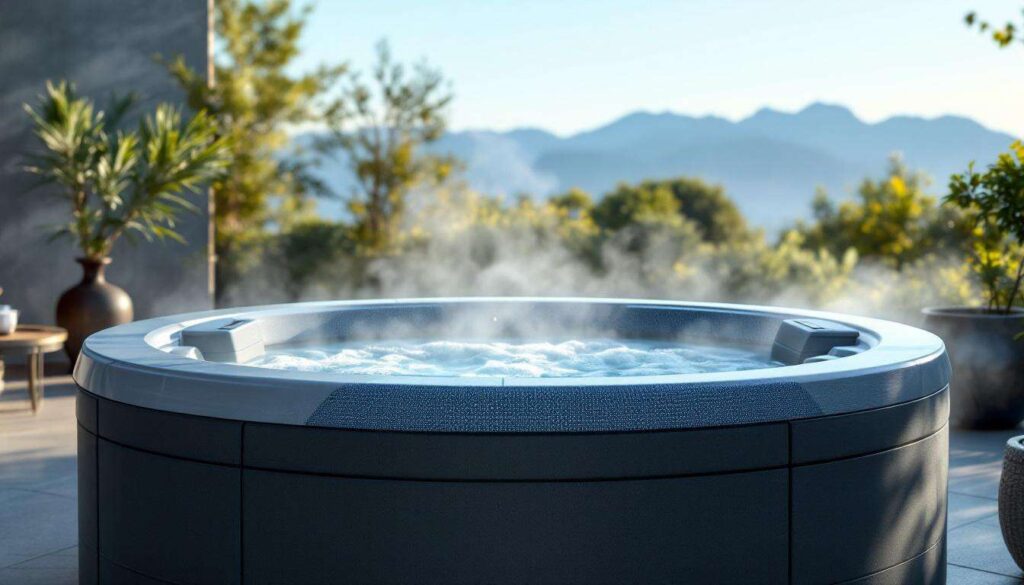
Recent scientific investigations have revealed that immersing oneself in heated water delivers distinct physiological advantages that differ markedly from traditional dry heat exposure. While both methods have long been associated with wellness practices, the mechanisms through which hot tubs influence the human body operate through unique pathways that researchers are only beginning to fully understand. The buoyancy, hydrostatic pressure, and sustained warmth of water immersion create a therapeutic environment that affects cardiovascular function, nervous system regulation, and metabolic processes in ways that cannot be replicated by air-based heating alone.
The little-known health benefits of hot tubs
Hydrostatic pressure and its therapeutic effects
The water pressure exerted on the body during hot tub immersion creates a phenomenon known as hydrostatic pressure, which significantly influences internal physiological processes. This pressure gently compresses blood vessels and tissues, promoting fluid redistribution throughout the body and reducing swelling in extremities. Unlike sauna environments where no such pressure exists, hot tubs provide continuous compression therapy that enhances lymphatic drainage and supports the removal of metabolic waste products from tissues.
Buoyancy-assisted joint relief
Immersion in water reduces the effective body weight by approximately 90 percent, creating a near-weightless environment that alleviates pressure on joints, muscles, and connective tissues. This buoyancy effect offers particular benefits for individuals with:
- Arthritis and chronic joint inflammation
- Recovery needs following orthopaedic procedures
- Mobility limitations due to musculoskeletal conditions
- Sports-related injuries requiring gentle rehabilitation
The combination of warmth and weightlessness allows for gentle movement exercises that would be painful or impossible under normal gravitational conditions, making hot tubs valuable therapeutic tools for physical rehabilitation programmes.
Mineral absorption through the skin
When mineral salts such as magnesium sulphate are added to hot tub water, the skin’s permeability increases due to elevated temperatures, allowing for transdermal absorption of beneficial compounds. This process delivers minerals directly into the bloodstream, bypassing digestive system limitations that can reduce oral supplement effectiveness. The sustained contact with mineralised water creates opportunities for therapeutic benefits that simply cannot occur in dry sauna environments.
These distinct mechanisms set the foundation for understanding how hot tubs differ fundamentally from other heat-based wellness practices.
Differences between sauna and hot tub: a matter of heat
Heat transfer mechanisms
The primary distinction between these two modalities lies in how thermal energy reaches the body. Saunas rely on convection and radiation, heating the surrounding air to temperatures between 70°C and 100°C, which then warms the skin’s surface. Hot tubs, conversely, utilise conduction, transferring heat directly from water maintained at 37°C to 40°C into body tissues with far greater efficiency than air can achieve.
| Characteristic | Sauna | Hot Tub |
|---|---|---|
| Temperature range | 70°C – 100°C | 37°C – 40°C |
| Heat transfer method | Convection/radiation | Conduction |
| Humidity level | 10% – 20% | 100% |
| Session duration | 15 – 20 minutes | 20 – 30 minutes |
Physiological responses to different heat types
The body’s thermoregulatory response varies considerably between dry and wet heat exposure. In saunas, rapid surface heating triggers immediate perspiration as the primary cooling mechanism, whilst core body temperature rises gradually. Hot tub immersion produces a more uniform heating pattern throughout tissues, penetrating deeper into muscles and organs whilst maintaining skin comfort. This difference explains why hot tubs can be tolerated for longer periods despite producing similar cardiovascular effects.
Understanding these heating distinctions helps explain the specific circulatory benefits that water immersion provides.
The impact of hot tubs on blood circulation
Vasodilation and enhanced blood flow
Warm water immersion triggers peripheral vasodilation, causing blood vessels near the skin’s surface to expand significantly. This expansion reduces vascular resistance and allows the heart to pump blood more efficiently throughout the circulatory system. Research indicates that regular hot tub use can improve endothelial function, the critical process by which blood vessel linings regulate circulation, inflammation, and clotting mechanisms.
Cardiac output improvements
The combination of heat and hydrostatic pressure increases cardiac output by approximately 30 percent during immersion, effectively providing cardiovascular exercise benefits without physical exertion. This phenomenon proves particularly valuable for individuals unable to perform traditional aerobic activities due to:
- Cardiovascular disease requiring gentle conditioning
- Obesity limiting exercise tolerance
- Neurological conditions affecting movement
- Chronic fatigue syndromes
Blood pressure regulation
Contrary to initial assumptions, regular hot tub use has been associated with modest reductions in both systolic and diastolic blood pressure measurements. The repeated vasodilation training effect appears to improve the flexibility and responsiveness of blood vessels over time, contributing to better long-term cardiovascular health outcomes. These circulatory improvements naturally support the body’s stress management systems.
Stress reduction and relaxation: the advantages of hot tubs
Autonomic nervous system regulation
Hot water immersion activates the parasympathetic nervous system, shifting the body from its stress-responsive sympathetic state into a recovery-oriented mode. This transition reduces cortisol production whilst increasing endorphin release, creating a biochemical environment that promotes psychological wellbeing and emotional balance. The sensory experience of buoyancy and warmth provides additional calming signals that reinforce this relaxation response.
Muscle tension relief
The heat penetration achieved through water immersion reaches deeper muscle layers more effectively than dry heat, promoting muscle relaxation through increased blood flow and reduced nerve sensitivity. This effect proves particularly beneficial for individuals experiencing chronic tension patterns related to stress, poor posture, or repetitive strain conditions.
The profound relaxation achieved through hot tub use naturally extends into improved sleep patterns.
Hot tubs and improvement of sleep quality
Body temperature regulation and sleep onset
The process of falling asleep requires a core temperature reduction of approximately 0.5°C to 1°C. Hot tub immersion one to two hours before bedtime creates an initial temperature elevation followed by a compensatory cooling phase that aligns perfectly with the body’s natural sleep preparation mechanisms. This thermal manipulation produces faster sleep onset and deeper initial sleep stages compared to normal bedtime routines.
Circadian rhythm support
Regular evening hot tub sessions can strengthen circadian rhythms by providing consistent thermal cues that signal the approaching sleep period. This regularity helps synchronise multiple biological processes including:
- Melatonin production timing
- Growth hormone release patterns
- Metabolic rate adjustments
- Immune system cycling
These sleep improvements come with practical considerations regarding ongoing operational requirements.
Comparison of energy costs: sauna vs hot tub
Initial installation expenses
Traditional saunas generally require lower initial investment for basic models, with infrared units starting around £1,000 and traditional Finnish saunas ranging from £2,000 to £8,000 depending on size and materials. Hot tubs typically represent a larger upfront commitment, with quality models ranging from £3,000 to £12,000, including necessary electrical infrastructure and foundation preparation.
Ongoing operational costs
Energy consumption patterns differ substantially between these systems. A typical home sauna uses 6 to 8 kilowatts per session but only during active use, resulting in monthly costs of £20 to £40 for regular users. Hot tubs maintain constant temperatures, consuming approximately 3 to 5 kilowatts daily for heating and circulation, translating to monthly expenses of £40 to £80 depending on climate, insulation quality, and usage frequency.
| Cost factor | Sauna | Hot Tub |
|---|---|---|
| Installation | £1,000 – £8,000 | £3,000 – £12,000 |
| Monthly energy | £20 – £40 | £40 – £80 |
| Maintenance annually | £50 – £150 | £200 – £500 |
Maintenance requirements
Saunas demand minimal ongoing maintenance beyond occasional wood treatment and heating element inspection. Hot tubs require regular chemical balancing, filter replacement, and water changes, adding both time commitments and material costs to ownership. These practical considerations should factor into decisions alongside health benefit comparisons.
The emerging research surrounding hot tub therapy reveals physiological advantages that extend beyond simple relaxation, encompassing cardiovascular improvements, enhanced circulation, stress reduction, and sleep quality optimisation. The unique combination of heat, buoyancy, and hydrostatic pressure creates therapeutic conditions impossible to replicate through dry heat alone. Whilst saunas offer valuable benefits and lower operational demands, hot tubs provide distinct mechanisms that address specific health concerns through water immersion. Understanding these differences allows individuals to make informed decisions based on personal health priorities, physical limitations, and practical constraints rather than assumptions about equivalency between heat-based wellness modalities.