


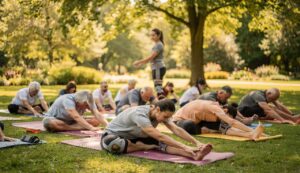

Maintaining physical independence throughout life depends significantly on decisions made decades earlier. While many assume that intensive gym sessions are necessary to preserve mobility, emerging research demonstrates that even mild strength training can deliver substantial protective benefits. The muscles, bones and connective tissues that enable us to climb stairs, carry shopping bags and maintain balance require consistent stimulation to remain functional. Starting a manageable strength training routine today, regardless of current fitness level, establishes a foundation that pays dividends as the body ages. This approach doesn’t demand exhausting workouts or expensive equipment, making it accessible to virtually anyone concerned about their future physical capabilities.
Understanding the Importance of Strength Training Now
The Science Behind Muscle Preservation
Skeletal muscle tissue naturally declines with age through a process called sarcopenia, which typically accelerates after the age of thirty. Without intervention, adults can lose between three to eight per cent of muscle mass per decade. This deterioration affects not only strength but also metabolic health, bone density and functional independence. Strength training counteracts this process by stimulating muscle protein synthesis and maintaining neuromuscular connections that would otherwise atrophy.
Why Starting Early Matters
Beginning strength training earlier creates a reserve capacity that buffers against inevitable age-related decline. Consider the following advantages:
- Establishes healthy movement patterns before compensatory habits develop
- Builds bone density during periods when adaptation occurs most readily
- Creates a fitness baseline that makes later maintenance significantly easier
- Reduces injury risk by strengthening supporting structures around joints
The cumulative effect of consistent mild training over years far exceeds sporadic intense efforts, making regularity more valuable than intensity for long-term mobility preservation. This understanding naturally leads to examining what sustained gentle training can achieve over time.
The Long-Term Benefits of Gentle Training
Sustained Functional Capacity
Research tracking participants over multiple decades reveals that those maintaining regular strength training retain significantly greater functional capacity compared to sedentary peers. The benefits extend beyond muscle strength to encompass balance, coordination and reaction time—all critical factors in preventing falls and maintaining independence.
| Functional Measure | Regular Trainers | Sedentary Adults |
|---|---|---|
| Walking speed | 15-20% faster | Baseline |
| Chair rise time | 25% quicker | Baseline |
| Balance score | 30% higher | Baseline |
Metabolic and Skeletal Advantages
Beyond mobility itself, strength training delivers metabolic benefits that support overall health. Increased muscle mass elevates resting metabolic rate, improves insulin sensitivity and enhances glucose metabolism. Simultaneously, the mechanical stress placed on bones during resistance exercises stimulates osteoblast activity, maintaining or even increasing bone mineral density. These interconnected benefits create a comprehensive protection system against age-related physical decline. Understanding these advantages raises the question of precisely how strength training preserves mobility through the ageing process.
How Strength Training Preserves Mobility as You Age
Maintaining Neuromuscular Efficiency
The connection between brain and muscle deteriorates without regular use, causing movements to become less coordinated and more effortful. Strength training maintains these neural pathways, ensuring that motor units remain responsive and recruitment patterns stay efficient. This preservation means that everyday activities continue to feel natural rather than becoming laboured tasks requiring conscious effort.
Joint Stability and Protection
Strong muscles surrounding joints provide dynamic stability that static structures like ligaments cannot offer alone. This muscular support:
- Absorbs impact forces that would otherwise stress cartilage
- Maintains proper joint alignment during movement
- Compensates for natural ligament laxity that develops with age
- Reduces inflammation by promoting healthy joint mechanics
By protecting joints from excessive wear, strength training delays or prevents osteoarthritis development, a leading cause of mobility limitation in older adults. These protective mechanisms work best when training programmes respect individual capabilities and limitations.
Adapting Your Training to Your Abilities
Assessing Your Starting Point
Effective strength training begins with honest self-assessment rather than comparison to others. Consider current physical limitations, previous injuries and existing health conditions when designing a programme. Consulting healthcare providers before starting ensures that chosen exercises complement rather than compromise medical management of chronic conditions.
Progressive Overload Principles
Even mild training should incorporate gradual progression to stimulate adaptation. This doesn’t require dramatic increases; small incremental changes in resistance, repetitions or exercise difficulty provide sufficient stimulus. The key lies in consistency rather than intensity, with improvements accumulating over months and years rather than weeks.
Listening to Your Body
Distinguishing between productive discomfort and warning signals prevents injury while maintaining progress. Muscle fatigue during exercise and mild soreness afterwards indicate effective training, whilst sharp pain, joint discomfort or persistent soreness suggest necessary modifications. This attentiveness ensures sustainability, which matters more than any single workout. With these adaptation principles established, practical implementation becomes the next consideration.
Tips for Incorporating Strength Training into Your Daily Life
Creating Sustainable Routines
Success depends on integration rather than addition—embedding strength training into existing routines rather than treating it as a separate obligation. Morning exercises before showering, lunchtime movement breaks or evening sessions whilst watching television all represent viable approaches. The best schedule is one that actually gets followed consistently.
Minimal Equipment Approaches
Effective strength training requires neither gym memberships nor expensive equipment. Bodyweight exercises, household items and resistance bands provide sufficient stimulus for meaningful adaptation. This accessibility removes common barriers whilst maintaining effectiveness.
Tracking Progress Appropriately
Monitoring improvements maintains motivation without creating counterproductive pressure. Consider tracking:
- Number of repetitions completed with good form
- Perceived effort levels during standard activities
- Functional milestones like carrying heavier shopping or climbing stairs more easily
- Consistency metrics such as weekly session completion
These practical strategies become concrete when paired with specific exercise examples that demonstrate how mild training actually works.
Examples of Gentle Exercises to Get Started
Lower Body Fundamentals
Chair squats provide an excellent starting point, using a sturdy chair as both support and depth guide. Standing from a seated position and lowering back down with control builds leg strength essential for mobility. Wall-supported calf raises strengthen ankles and improve balance, whilst seated leg extensions target quadriceps without stressing knees excessively.
Upper Body Basics
Wall press-ups offer a gentler alternative to floor variations, allowing adjustment of difficulty through foot positioning. Resistance band rows strengthen back muscles crucial for posture, whilst overhead reaches with light weights or household items maintain shoulder mobility and strength.
Core Stability Work
Seated marches, where knees lift alternately whilst sitting upright, engage core muscles without floor work. Standing heel-to-toe walks improve balance whilst strengthening stabilising muscles throughout the body.
| Exercise | Primary Benefits | Starting Repetitions |
|---|---|---|
| Chair squats | Leg strength, functional mobility | 8-10 repetitions |
| Wall press-ups | Upper body strength, bone density | 6-8 repetitions |
| Resistance band rows | Posture, back strength | 10-12 repetitions |
The evidence overwhelmingly supports beginning strength training now, regardless of age or current fitness level. Even modest efforts, maintained consistently over time, deliver substantial protection against mobility decline. The exercises needn’t be complex or demanding—simple movements performed regularly provide the stimulus necessary to preserve muscle mass, bone density and neuromuscular function. By starting today with gentle, sustainable practices, individuals create a foundation that supports independence and quality of life for decades to come. The investment of a few minutes several times weekly yields returns that compound throughout life, making strength training one of the most valuable health behaviours anyone can adopt.