

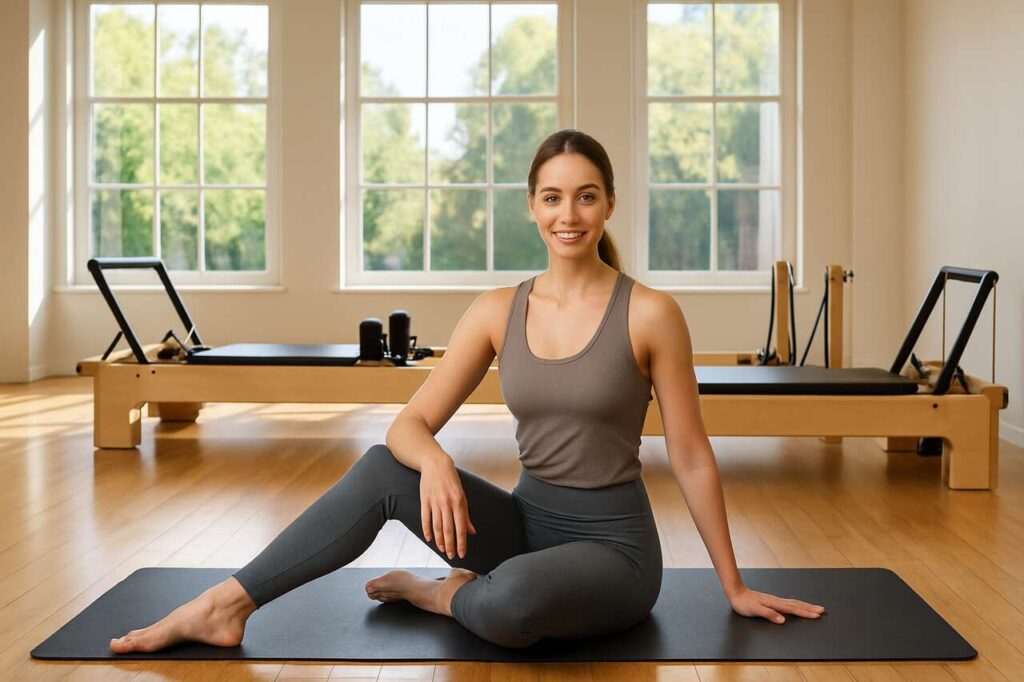
Building a strong core is fundamental to overall fitness and wellbeing, yet many people struggle to know where to begin. A certified Pilates instructor with over fifteen years of experience has identified three essential exercises that provide the perfect starting point for those new to this transformative practice. These carefully selected movements offer a safe, accessible pathway to developing the deep abdominal and back muscles that support virtually every movement we make throughout the day.
Introduction to Pilates: a gentle yet effective approach
Pilates represents a low-impact exercise system that emphasises controlled movements, proper breathing, and mindful engagement of the body’s stabilising muscles. Developed in the early twentieth century by Joseph Pilates, this method has gained widespread recognition amongst physiotherapists, athletes, and fitness enthusiasts alike for its remarkable ability to strengthen the body without placing undue stress on joints.
The foundations of the Pilates method
The practice centres on several key principles that distinguish it from other forms of exercise. Concentration, control, precision, breathing, and flow form the cornerstone of every movement. Unlike high-intensity workouts that prioritise speed and repetition, Pilates encourages practitioners to focus on the quality of each exercise, ensuring that the correct muscles engage throughout the entire range of motion.
For beginners, this approach proves particularly beneficial as it allows the body to develop proper movement patterns from the outset. The emphasis on controlled, deliberate actions reduces the risk of injury whilst simultaneously building strength and flexibility. This mindful approach to exercise also promotes better body awareness, helping individuals recognise and correct postural imbalances that may have developed over years of sedentary habits or improper movement.
Understanding these foundational concepts naturally leads to exploring why core strength holds such paramount importance in the Pilates system and in overall physical health.
Why strengthening your core is essential
The core encompasses far more than just the abdominal muscles visible on the surface. This complex network of muscles includes the deep transverse abdominis, the obliques, the pelvic floor, the multifidus along the spine, and the diaphragm. Together, these structures create a robust support system for the entire body.
The role of core muscles in daily life
Every movement we perform, from standing up from a chair to carrying shopping bags, relies on core stability. A weak core forces other muscle groups to compensate, leading to:
- Chronic lower back pain and discomfort
- Poor posture and spinal misalignment
- Reduced balance and coordination
- Increased risk of injury during physical activities
- Decreased efficiency in athletic performance
Long-term health implications
Research has consistently demonstrated that individuals with stronger core muscles experience fewer episodes of back pain and maintain better functional mobility as they age. The core acts as the body’s natural corset, protecting the spine and internal organs whilst facilitating efficient movement patterns. Strengthening these muscles through targeted exercises creates a foundation that supports not only fitness goals but also long-term health and independence.
With this understanding of core importance established, examining the specific advantages that Pilates exercises offer to beginners becomes the logical next step.
The benefits of Pilates exercises for beginners
Pilates provides newcomers with a uniquely accessible entry point into structured exercise. Unlike many fitness programmes that demand a baseline level of strength or cardiovascular endurance, Pilates meets individuals where they are, offering modifications that accommodate various fitness levels and physical limitations.
Advantages for those starting their fitness journey
| Benefit | Description |
|---|---|
| Progressive difficulty | Exercises can be modified to suit current ability levels |
| Low injury risk | Controlled movements minimise strain on joints and muscles |
| Improved flexibility | Gentle stretching integrated throughout each session |
| Enhanced posture | Focus on alignment corrects habitual postural problems |
| Mind-body connection | Mindful practice increases body awareness |
Building sustainable exercise habits
The non-competitive nature of Pilates encourages beginners to focus on personal progress rather than comparing themselves to others. This psychological aspect proves crucial for developing long-term adherence to an exercise routine. Many individuals who have struggled with maintaining consistency in other fitness programmes find that Pilates’ emphasis on internal awareness and gradual progression creates a more sustainable and enjoyable practice.
Having established the broader benefits, exploring the specific exercises recommended by our expert provides practical guidance for immediate implementation.
Strengthening your core with the modified plank
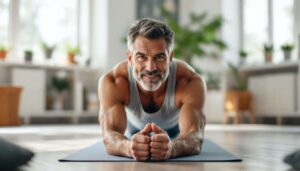
The modified plank serves as an ideal introduction to isometric core strengthening. Unlike the traditional plank performed on the toes, this variation allows beginners to build foundational strength whilst maintaining proper form.
Proper execution technique
To perform the modified plank, begin by positioning yourself on hands and knees, ensuring that hands align directly beneath shoulders and knees rest comfortably beneath hips. Engage the abdominal muscles by drawing the navel towards the spine, creating a straight line from the crown of the head through to the tailbone. Hold this position whilst maintaining steady, rhythmic breathing for fifteen to thirty seconds, gradually increasing duration as strength improves.
Common mistakes to avoid
- Allowing the hips to sag towards the floor
- Lifting the hips too high, creating a peak
- Holding the breath during the exercise
- Placing excessive weight on the wrists
- Tensing the shoulders towards the ears
The beauty of this exercise lies in its simplicity and effectiveness, making it an excellent foundation before progressing to more dynamic abdominal work.
Working the abdomen with the simplified hundred
The hundred represents one of Pilates’ most iconic exercises, and the simplified version makes this powerful movement accessible to beginners whilst still delivering significant benefits.
Step-by-step instructions
Lie on your back with knees bent and feet flat on the floor. Lift the head and shoulders slightly off the mat, engaging the upper abdominals. Extend the arms alongside the body, hovering just above the floor. Begin pumping the arms up and down in small, controlled movements whilst breathing in for five counts and out for five counts. The simplified version keeps the feet grounded rather than lifting the legs, reducing the intensity whilst still effectively engaging the core muscles.
Progression and adaptation
Beginners should aim for five complete breath cycles, totalling fifty arm pumps, before working towards the full hundred. This exercise strengthens the rectus abdominis whilst simultaneously improving breathing coordination and endurance. As strength develops, practitioners can gradually extend the legs to increase the challenge.
Complementing abdominal work with exercises that target the posterior chain ensures balanced core development.
Stability and strength with the simplified glute bridge
The glute bridge addresses the often-neglected posterior muscles of the core, including the glutes, hamstrings, and lower back extensors. This exercise proves particularly valuable for individuals who spend extended periods sitting.
Correct form and execution
Begin by lying on your back with knees bent, feet hip-width apart and planted firmly on the floor. Arms rest alongside the body with palms facing down. Engage the core and squeeze the glutes whilst lifting the hips towards the ceiling, creating a straight line from shoulders to knees. Hold this position for three to five seconds, then lower with control. The simplified version focuses on smaller ranges of motion and shorter hold times, allowing beginners to master the movement pattern before increasing intensity.
Key points for maximum effectiveness
- Press evenly through both feet to prevent tilting
- Avoid arching the lower back excessively
- Keep the core engaged throughout the movement
- Maintain neutral neck alignment, avoiding chin tucking
- Focus on squeezing the glutes at the top of the movement
These three foundational exercises provide beginners with a comprehensive introduction to core strengthening through Pilates. The modified plank builds isometric endurance, the simplified hundred develops dynamic abdominal strength and breathing coordination, and the glute bridge ensures balanced development of the posterior core muscles. Together, they create a solid foundation upon which to build a more advanced practice. Consistency proves more valuable than intensity for newcomers, with two to three sessions per week yielding noticeable improvements in strength, posture, and body awareness within just a few weeks. The accessibility and adaptability of these movements make them suitable for virtually anyone beginning their journey towards a stronger, more functional core.