


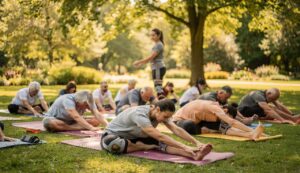
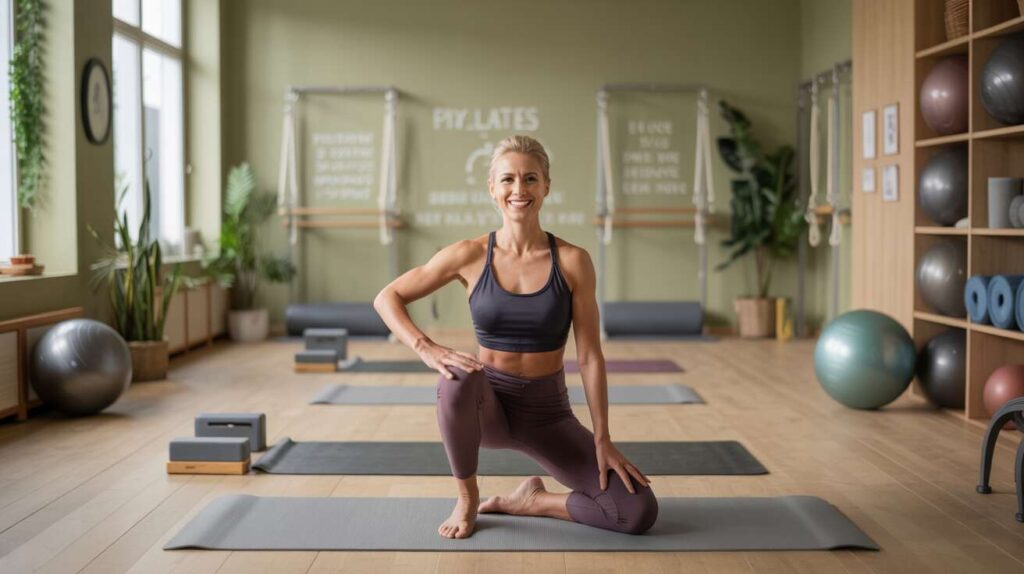
Tight hips affect countless individuals who spend prolonged periods sitting at desks, driving vehicles or maintaining sedentary lifestyles. This common complaint manifests through discomfort, restricted movement and potential lower back pain. A qualified Pilates instructor shares seven targeted exercises designed to address hip tightness whilst simultaneously building strength in the surrounding musculature. These movements combine stretching with controlled strengthening to restore balance and function to the hip joints.
Introduction to the benefits of Pilates for hips
Understanding hip anatomy and common problems
The hip joint represents one of the body’s largest ball-and-socket structures, surrounded by multiple muscle groups including the hip flexors, glutes, adductors and external rotators. Modern lifestyles frequently create imbalances within these muscles, with certain groups becoming overly tight whilst others weaken through underuse. This combination restricts the joint’s natural range of motion and creates compensatory movement patterns that affect the entire kinetic chain.
How Pilates addresses hip dysfunction
Pilates methodology focuses on controlled movements that emphasise quality over quantity. The practice incorporates several key principles particularly beneficial for hip health:
- Precise alignment to ensure proper muscle activation
- Breath coordination to facilitate deeper stretching
- Core engagement to support pelvic stability
- Gradual progression to build strength safely
- Balanced development of opposing muscle groups
These principles work synergistically to restore functional movement patterns whilst addressing both flexibility and strength deficits. The following exercises demonstrate this balanced approach to hip health.
Warming up the hips before exercises
Essential preparation for safe practice
Adequate preparation prevents injury and enhances the effectiveness of subsequent movements. A proper warm-up increases blood flow to the hip region, elevates tissue temperature and prepares the nervous system for more demanding exercises. Begin with gentle circular movements of the hip joint whilst standing, performing ten rotations in each direction per leg.
Dynamic mobility sequence
Progress to controlled leg swings that gently challenge the hip’s range of motion. Stand beside a wall for support and swing one leg forward and backward with relaxed momentum, completing fifteen repetitions. Follow with lateral swings across the body’s midline, maintaining an upright posture throughout. These dynamic movements activate the stabilising muscles whilst preparing the joint capsule for deeper work.
With the hips adequately prepared, the first strengthening exercise builds foundational stability.
The bridge: strengthening and flexibility
Proper execution technique
Lie supine with knees bent and feet positioned hip-width apart, approximately one foot-length from the buttocks. Arms rest alongside the body with palms facing downward. Inhale to prepare, then exhale whilst sequentially lifting the spine from the mat, beginning at the tailbone and progressing through each vertebra. The final position creates a diagonal line from shoulders to knees, with weight distributed across the shoulder girdle and feet.
Variations for progressive challenge
| Variation | Target Area | Repetitions |
|---|---|---|
| Standard bridge | Glutes and hamstrings | 10-12 |
| Single-leg bridge | Hip stabilisers | 8-10 per side |
| Pulsing bridge | Muscular endurance | 20 small pulses |
The bridge effectively strengthens the posterior chain whilst opening the hip flexors through gentle extension. Hold the elevated position for three breath cycles before lowering with control, articulating through each spinal segment.
Building upon this foundational strength, the next movement addresses deeper hip tension.
Pigeon stretch for tension relief
Accessing the external rotators
The pigeon pose targets the piriformis muscle and surrounding external rotators, areas frequently harbouring significant tension. Begin in a quadruped position, then draw the right knee forward towards the right wrist whilst extending the left leg straight behind. The right shin angles diagonally across the mat, with positioning adjusted according to individual flexibility levels. A more perpendicular shin increases intensity, whilst a sharper angle provides gentler stretching.
Modifications for comfort and safety
Individuals experiencing knee discomfort should place a folded towel beneath the bent leg’s hip to reduce joint stress. Those with extreme tightness benefit from elevating the torso on blocks or cushions rather than folding forward completely. Maintain the stretch for sixty to ninety seconds per side, breathing deeply to encourage muscular release.
- Keep hips level to prevent lateral tilting
- Flex the front foot to protect the knee joint
- Engage the core to support the lower back
- Avoid forcing the stretch beyond comfortable limits
This profound stretch prepares the hips for rotational movements that enhance overall mobility.
Internal and external rotation for improved mobility
Seated rotation sequence
Sit with legs extended and spine tall. Bend both knees and position feet flat on the mat, wider than hip-width. Allow both knees to fall gently to the right side, keeping feet grounded whilst the left hip lifts slightly. Return to centre and repeat towards the left, establishing a rhythmic pattern that explores the hips’ rotational capacity. Complete ten repetitions to each side with controlled, deliberate movement.
Standing rotation drill
Progress to a standing variation that challenges balance whilst improving functional rotation. Stand on the right leg with the left knee lifted to hip height. Rotate the lifted leg outward from the hip joint, then return to parallel before rotating inward. This movement pattern strengthens the smaller stabilising muscles whilst improving neuromuscular coordination essential for daily activities.
These rotational exercises complement the opening effects of the final stretch.
Butterfly stretch to open the hips
Classic seated position
Sit with the soles of the feet pressed together, knees falling outward to create a diamond shape with the legs. Draw the heels closer to the pelvis for increased intensity or position them further away for gentler stretching. Maintain an elongated spine whilst gently pressing the knees towards the floor using the elbows, avoiding forceful pushing that creates tension rather than release.
Dynamic butterfly variation
Introduce gentle bouncing movements with the knees, creating small pulsing actions that encourage gradual opening. This dynamic approach often proves more effective than static holding for individuals with significant tightness. Continue for thirty to forty-five seconds before returning to stillness and holding the deepest comfortable position for an additional minute.
Regular practice of these seven exercises creates noticeable improvements in hip flexibility and strength. The combination of targeted stretching, controlled strengthening and mindful movement addresses the multifaceted nature of hip dysfunction. Consistency proves more valuable than intensity, with three to four weekly sessions yielding optimal results. Listen attentively to bodily feedback, respecting limitations whilst gradually expanding capabilities. These movements restore balance to the hip complex, supporting pain-free movement and enhanced quality of life.