



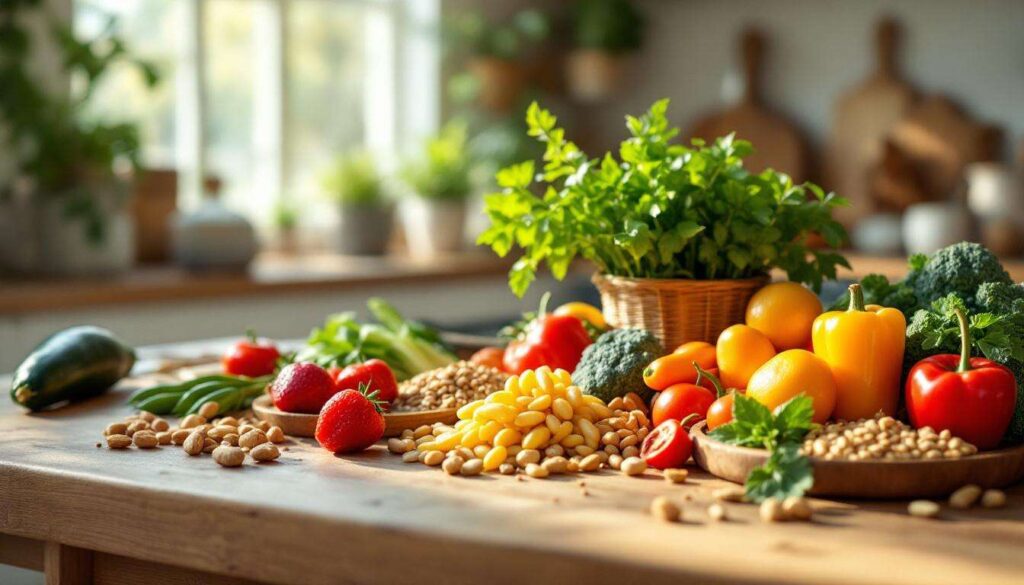
Walking through the supermarket aisles with a newfound scrutiny, I quickly realised that avoiding ultra-processed foods would be far more challenging than anticipated. What began as a simple week-long experiment transformed into an eye-opening journey through modern food production, revealing just how deeply these products have infiltrated our daily diets. The brightly coloured packages that once seemed convenient now appeared as obstacles, each ingredient list reading like a chemistry textbook rather than a recipe.
Defining ultra-processed foods
Understanding the NOVA classification system
Ultra-processed foods fall into the fourth category of the NOVA classification system, developed by researchers at the University of São Paulo. This framework categorises foods based on the extent and purpose of industrial processing they undergo. Unlike minimally processed or processed foods, ultra-processed products contain formulations of ingredients that are rarely used in home cooking, including hydrogenated oils, high-fructose corn syrup, flavour enhancers, and emulsifiers.
Common examples in everyday shopping
Identifying these products requires careful label reading, as they dominate supermarket shelves. The most common ultra-processed foods include:
- Mass-produced packaged breads and buns
- Reconstituted meat products such as nuggets and fish fingers
- Instant noodles and soups
- Carbonated soft drinks and fruit-flavoured beverages
- Confectionery and mass-produced biscuits
- Ready meals and frozen pizzas
- Breakfast cereals with added sugars and flavourings
The prevalence of these items in modern diets sets the stage for understanding why eliminating them proves so difficult, leading naturally to examining their health implications.
The dangers of ultra-processed foods
Links to chronic diseases
Research increasingly demonstrates that high consumption of ultra-processed foods correlates with numerous health conditions. Studies published in the British Medical Journal have linked these products to increased risks of cardiovascular disease, type 2 diabetes, and certain cancers. The combination of high sugar, salt, and unhealthy fats alongside low fibre content creates a perfect storm for metabolic dysfunction.
Impact on weight and nutrition
| Health Metric | Impact of Ultra-Processed Foods |
|---|---|
| Caloric density | Significantly higher per portion |
| Satiety levels | Lower, leading to overconsumption |
| Nutrient quality | Depleted vitamins and minerals |
| Fibre content | Substantially reduced |
The hyperpalatable nature of these foods, engineered through precise combinations of salt, sugar, and fat, overrides natural satiety signals. This manipulation encourages excessive consumption, contributing to the obesity epidemic. Understanding these risks provided the motivation for my week-long challenge, which brought theoretical knowledge into practical reality.
My experience reducing processed foods
Day one: the shocking discovery
The first morning began with a rude awakening. My usual breakfast choices—cereal, toast with spread, and orange juice—all fell into the ultra-processed category. Even products marketed as healthy alternatives contained suspicious ingredient lists. The yoghurt I considered nutritious contained modified starch and artificial sweeteners. This initial shock set the tone for the week ahead.
Mid-week challenges and frustrations
By Wednesday, the difficulties intensified. Time became the most significant barrier. Preparing meals from whole ingredients required planning, shopping more frequently for fresh produce, and spending considerably longer in the kitchen. Lunch breaks at work proved particularly challenging, as convenient options disappeared. The social aspect also emerged as problematic when colleagues suggested grabbing takeaway or meeting at coffee chains where ultra-processed items dominated menus.
Unexpected obstacles
Several surprises emerged throughout the week:
- Condiments and sauces contained numerous additives
- Bread options without emulsifiers were scarce and expensive
- Snacking required complete reimagining
- Restaurant dining became nearly impossible
- Family meals required negotiation and compromise
These practical hurdles highlighted why ultra-processed foods have become so entrenched in modern life, but they also prompted the development of effective coping strategies.
Strategies to avoid ultra-processed foods
Practical shopping techniques
Success required adopting new shopping habits. The perimeter shopping method proved invaluable—focusing on fresh produce, meat, fish, and dairy around the supermarket’s edges whilst avoiding central aisles packed with processed goods. Reading ingredient lists became essential, applying the simple rule: if it contains more than five ingredients or substances you cannot pronounce, leave it on the shelf.
Meal preparation and planning
Batch cooking on weekends transformed the week’s feasibility. Preparing large quantities of basic components—cooked grains, chopped vegetables, and protein sources—provided building blocks for quick meals. Investing in quality storage containers allowed portioning meals for work lunches, eliminating the temptation of convenient but ultra-processed alternatives.
Finding suitable alternatives
| Ultra-Processed Food | Whole Food Alternative |
|---|---|
| Breakfast cereal | Porridge with fresh fruit |
| Crisps | Nuts or vegetable sticks |
| Ready meals | Batch-cooked stews |
| Soft drinks | Water with fresh lemon |
These adaptations, whilst initially demanding, gradually became routine, paving the way for noticeable improvements in how I felt physically and mentally.
The benefits observed after one week
Physical changes noticed
Despite the short timeframe, several tangible improvements emerged. Energy levels stabilised throughout the day, eliminating the mid-afternoon crashes previously attributed to busy schedules. Digestive comfort improved noticeably, with reduced bloating and more regular bowel movements. Sleep quality enhanced, with fewer instances of waking during the night.
Mental and emotional shifts
The psychological benefits proved equally significant. A sense of accomplishment and control over food choices fostered improved self-esteem. Concentration at work sharpened, and mood swings diminished. Perhaps most surprisingly, taste perception changed—whole foods developed more complex, satisfying flavours as palate sensitivity recovered from constant overstimulation.
These positive outcomes naturally prompted reflection on whether such changes could be sustained long-term and integrated into everyday life.
Thoughts on the future of my diet
Realistic long-term goals
Complete elimination of ultra-processed foods remains impractical for most people, myself included. Instead, adopting an 80/20 approach seems sustainable—prioritising whole foods for 80 per cent of meals whilst allowing flexibility for social occasions and genuine convenience needs. This balanced perspective prevents the perfectionism that often derails dietary changes.
Systemic changes needed
Individual efforts, whilst valuable, cannot address the broader issue. The food industry requires regulation to reduce the ubiquity of ultra-processed products. Clearer labelling, restrictions on marketing to children, and economic incentives favouring whole food production would support healthier population-wide choices. Education about food processing and nutrition should become a core component of school curricula.
The week’s experiment revealed that whilst challenging, reducing ultra-processed food consumption delivers genuine benefits. The difficulty stems not from personal failing but from a food environment engineered for convenience and profit rather than health. Small, consistent changes prove more valuable than unsustainable perfection, and awareness itself represents a crucial first step towards better dietary choices.