



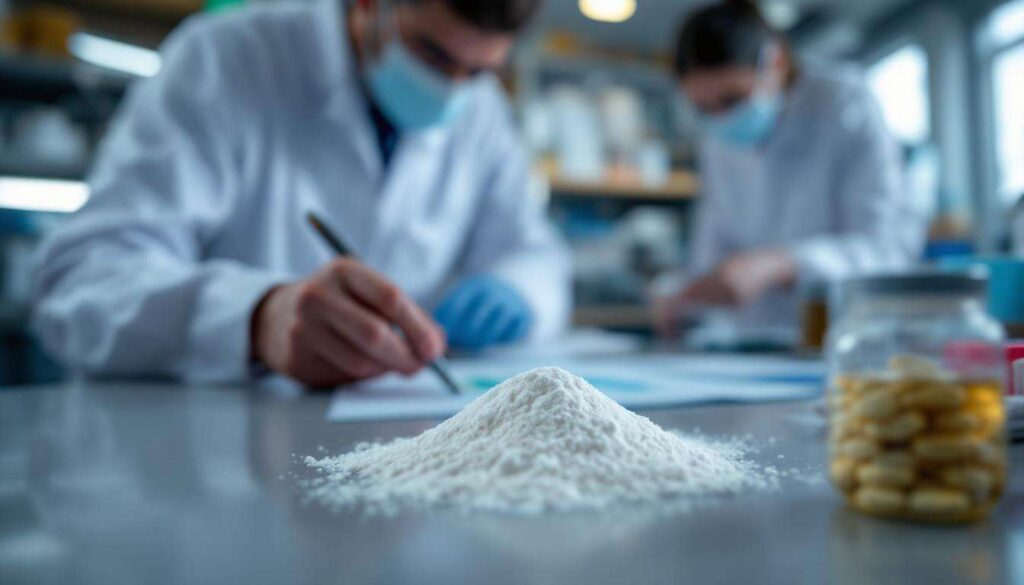
Recent research has raised significant concerns about a widely used sugar substitute, revealing potential connections to serious liver complications. As consumers increasingly turn to artificial sweeteners in pursuit of healthier lifestyles, these findings challenge long-held assumptions about their safety. The substance in question has become ubiquitous in processed foods, beverages, and tabletop sweetener products, making this discovery particularly relevant to millions of people worldwide.
Understanding the role of sweeteners in our diet
The prevalence of sugar substitutes
Sugar substitutes have become integral components of modern dietary patterns, particularly as public health campaigns highlight the dangers of excessive sugar consumption. These synthetic compounds offer sweetness without the caloric burden of traditional sugars, making them attractive to individuals managing weight, diabetes, or general health concerns.
The market for artificial sweeteners has expanded dramatically, with products containing these substances now representing a substantial portion of the food and beverage industry. From diet soft drinks to sugar-free confectionery, these alternatives permeate supermarket shelves and restaurant menus.
Consumer motivations
Several factors drive the widespread adoption of sugar substitutes:
- Weight management and calorie reduction strategies
- Diabetes prevention and blood glucose control
- Dental health considerations
- Perceived health benefits over refined sugar
- Taste preferences for sweetened products without sugar’s effects
This understanding of consumer behaviour helps contextualise why the recent scientific findings carry such significant implications for public health policy and individual dietary choices.
The implicated sugar substitute
Identifying the substance
The sweetener at the centre of this controversy is sucralose, marketed under various brand names and found in thousands of food products globally. This chlorinated artificial sweetener is approximately 600 times sweeter than sucrose, allowing manufacturers to use minimal quantities whilst achieving desired sweetness levels.
Sucralose gained regulatory approval in numerous countries after initial safety assessments suggested it passed through the digestive system largely unchanged. This characteristic was initially presented as a safety advantage, implying the body would not metabolise or absorb the compound significantly.
Common sources of exposure
| Product category | Typical sucralose content | Daily exposure potential |
|---|---|---|
| Diet soft drinks | 40-70 mg per serving | High |
| Sugar-free yoghurts | 15-30 mg per serving | Moderate |
| Tabletop sweeteners | 5-12 mg per packet | Variable |
| Processed baked goods | 10-50 mg per serving | Moderate |
These widespread applications mean that regular consumers may accumulate significant exposure through multiple dietary sources throughout the day.
The mechanism behind liver damage
Metabolic pathways affected
Contrary to earlier assumptions, recent research demonstrates that sucralose undergoes partial metabolism in the human body, producing breakdown products that accumulate in liver tissue. These metabolites interfere with normal hepatic function through several mechanisms that researchers are now beginning to understand.
The liver processes sucralose through cytochrome P450 enzymes, the same system responsible for metabolising medications and toxins. This interaction can create oxidative stress within liver cells, damaging cellular structures and impairing the organ’s ability to perform essential functions.
Cellular-level impacts
Scientists have identified specific ways sucralose metabolites compromise liver health:
- Disruption of mitochondrial function, reducing cellular energy production
- Activation of inflammatory pathways within hepatocytes
- Interference with bile acid metabolism and excretion
- Alteration of gut microbiome composition, affecting liver-gut axis communication
- Promotion of fat accumulation in liver cells, contributing to steatosis
These mechanisms collectively create conditions conducive to progressive liver disease, potentially explaining the epidemiological patterns observed in population studies.
Scientific studies establishing the link
Key research findings
Multiple independent research teams have now published findings connecting sucralose consumption to liver pathology. A particularly influential study examined liver enzyme levels and imaging results in individuals consuming varying amounts of artificial sweeteners, revealing dose-dependent relationships between sucralose intake and markers of liver dysfunction.
Animal studies have provided complementary evidence, with laboratory models demonstrating histological changes in liver tissue following chronic sucralose exposure. These changes include inflammation, fibrosis, and cellular architecture disruption consistent with non-alcoholic fatty liver disease.
Population-based evidence
Epidemiological investigations have strengthened the case by identifying correlations between artificial sweetener consumption patterns and liver disease prevalence across different populations. Researchers controlling for confounding variables such as obesity, alcohol consumption, and metabolic syndrome found that sucralose exposure remained independently associated with elevated liver disease risk.
The consistency of findings across different study designs and populations lends credibility to the hypothesis that sucralose poses genuine hepatotoxic risks under certain conditions.
Public health implications
Regulatory considerations
These findings present significant challenges for regulatory agencies that previously approved sucralose based on earlier safety data. Health authorities must now weigh the emerging evidence against established acceptable daily intake limits and consider whether current guidelines adequately protect public health.
The situation is complicated by the substance’s widespread use and the economic interests involved in the artificial sweetener industry. Regulatory responses may include revised safety assessments, updated consumption guidelines, or enhanced product labelling requirements.
Vulnerable populations
Certain groups face heightened risks from sucralose-related liver effects:
- Individuals with pre-existing liver conditions or compromised hepatic function
- People with metabolic syndrome or insulin resistance
- Children and adolescents with developing metabolic systems
- Pregnant women, due to potential foetal exposure
- Regular consumers of multiple sucralose-containing products
Targeted public health messaging for these populations may become necessary as understanding of the risks evolves.
Safer alternatives for sweetening our food
Natural sweetener options
For those seeking to reduce sucralose exposure whilst maintaining sweetness in their diets, several alternatives warrant consideration. Stevia, derived from plant leaves, offers sweetness without the metabolic concerns associated with synthetic compounds, though some consumers find its taste profile less appealing.
Monk fruit extract represents another natural option, providing intense sweetness through mogrosides rather than synthetic chemicals. These compounds appear to lack the hepatotoxic properties observed with sucralose, though long-term safety data remains more limited.
Practical dietary strategies
Beyond substitution, reducing overall reliance on intense sweeteners may offer the most sustainable approach:
- Gradually reducing sweetness expectations through taste adaptation
- Emphasising whole fruits for natural sweetness and nutritional benefits
- Limiting processed foods containing hidden sweeteners
- Using small amounts of traditional sugars mindfully rather than artificial alternatives
- Exploring flavour enhancement through spices, extracts, and aromatics
These strategies acknowledge that the healthiest dietary pattern may involve moderating sweetness overall rather than simply replacing one sweetener with another.
The emerging evidence linking sucralose to liver disease represents a significant development in nutritional science, challenging assumptions about artificial sweetener safety that have guided public health recommendations for decades. Whilst further research will refine understanding of mechanisms and risk thresholds, current findings suggest caution is warranted, particularly for vulnerable populations and heavy consumers. As regulatory bodies reassess safety guidelines and researchers continue investigating metabolic impacts, individuals may wish to reconsider their reliance on synthetic sweeteners and explore alternative approaches to managing dietary sweetness.