



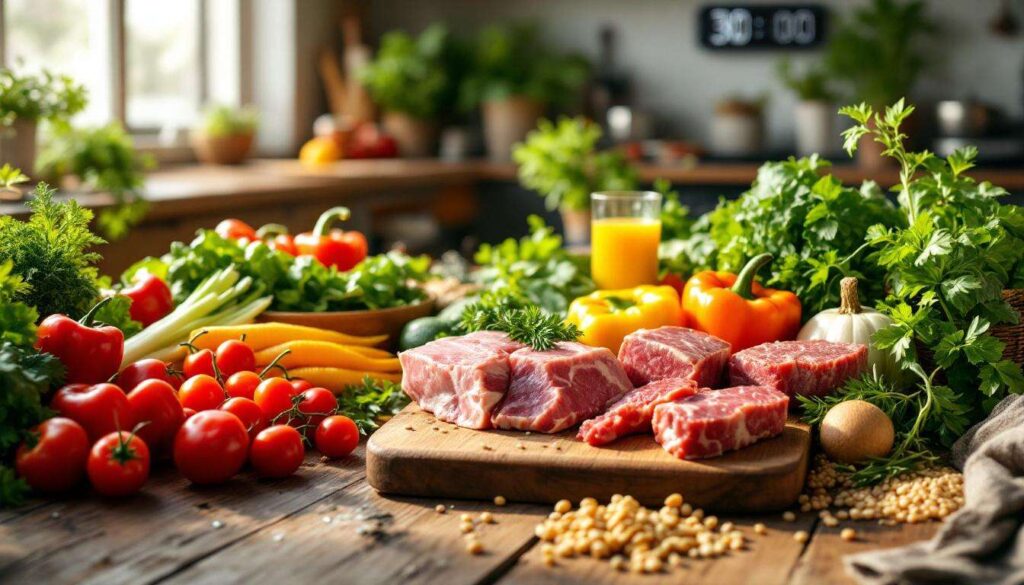
Preparing nutritious evening meals doesn’t require hours in the kitchen or complicated techniques. With strategic planning and the right ingredients, anyone can create satisfying dishes that support weight management goals whilst fitting into a busy schedule. The combination of fresh produce, quality proteins and smart cooking methods transforms dinner preparation from a daunting task into an achievable daily routine. These recipes prioritise flavour and nutrition, proving that healthy eating can be both convenient and enjoyable.
Introduction to quick and balanced dinners
The foundation of efficient meal preparation
Creating balanced dinners in minimal time starts with understanding the essential components of a nutritious plate. Every meal should incorporate vegetables, lean proteins and healthy fats whilst managing portion sizes appropriately. The key lies in selecting ingredients that require minimal preparation yet deliver maximum nutritional value.
Successful quick cooking relies on having a well-stocked pantry with staples such as:
- Extra virgin olive oil and cooking sprays
- Herbs and spices for flavour without added calories
- Tinned tomatoes and legumes
- Whole grains like quinoa and brown rice
- Low-sodium stock cubes
Planning strategies that save time
Advance preparation transforms weeknight cooking from stressful to streamlined. Batch prepping vegetables during the weekend means having chopped onions, sliced peppers and washed greens ready to use. Pre-portioning proteins and storing them in the freezer creates grab-and-cook options that thaw quickly under cold water.
Understanding these fundamentals sets the stage for exploring why half an hour provides ample time for creating restaurant-quality meals at home.
Why 30 minutes is enough for a healthy meal
The science of efficient cooking
Modern cooking techniques and equipment have revolutionised home meal preparation. High-heat methods like stir-frying, grilling and roasting concentrate cooking time whilst enhancing flavours through caramelisation. A properly preheated pan can cook chicken breast thoroughly in 12 minutes, whilst vegetables become tender-crisp in under 10 minutes.
| Cooking method | Average time | Best for |
|---|---|---|
| Stir-frying | 8-12 minutes | Vegetables, thin proteins |
| Pan-searing | 10-15 minutes | Fish, chicken, tofu |
| Sheet pan roasting | 20-25 minutes | Mixed vegetables, proteins |
| Steaming | 5-10 minutes | Delicate vegetables, fish |
Nutritional integrity in quick meals
Rapid cooking actually preserves more nutrients than prolonged heating. Water-soluble vitamins like vitamin C and B-complex remain intact when vegetables are cooked quickly at high temperatures. This approach maintains the vibrant colours and crisp textures that make meals visually appealing and satisfying.
The half-hour timeframe also encourages using fresh ingredients rather than processed alternatives, naturally reducing sodium, preservatives and unhealthy fats. This cooking duration aligns perfectly with selecting ingredients that support these nutritional goals.
Key ingredients for losing weight without compromise
Proteins that promote satiety
Selecting the right proteins forms the cornerstone of weight-loss meals. Lean options provide essential amino acids whilst keeping calorie counts manageable. White fish varieties like cod and haddock contain roughly 90 calories per 100 grams, whilst skinless chicken breast offers approximately 165 calories with substantial protein content.
Plant-based proteins deserve equal attention:
- Lentils provide 18 grams of protein per cooked cup
- Chickpeas offer fibre alongside protein for extended fullness
- Tofu absorbs flavours beautifully whilst remaining low in calories
- Edamame delivers complete protein with satisfying texture
Vegetables that add volume without calories
Non-starchy vegetables create substantial portions that fill plates and stomachs without derailing calorie targets. Courgettes, cauliflower, broccoli, spinach and mushrooms all contain fewer than 50 calories per cup whilst providing essential vitamins, minerals and fibre.
Flavour enhancers that don’t add pounds
Creating delicious meals without relying on butter, cream or excessive oil requires strategic flavouring. Fresh herbs, citrus zest, garlic, ginger and chilli peppers add complexity and depth. Vinegars, particularly balsamic and apple cider varieties, brighten dishes whilst contributing negligible calories.
These ingredient choices naturally lead to exploring specific recipe categories, starting with plant-based options.
Express vegetarian recipes for slimming
Vegetable-forward stir-fries
A rainbow vegetable stir-fry combines snap peas, bell peppers, baby corn and bok choy with garlic and ginger in a light soy-based sauce. Served over cauliflower rice, this dish delivers substantial portions for approximately 200 calories. The high fibre content promotes satiety whilst the variety of colours ensures diverse phytonutrients.
Legume-based satisfying mains
Chickpea curry prepared with tinned tomatoes, spinach and aromatic spices creates a hearty meal ready in 25 minutes. The combination of protein and fibre keeps hunger at bay for hours. Lentil bolognese offers another option, substituting traditional mince with protein-rich pulses that absorb Italian seasonings beautifully.
Creative vegetable substitutions
Courgette noodles topped with roasted cherry tomatoes and basil provide pasta satisfaction without the carbohydrate load. Stuffed portobello mushrooms filled with quinoa, sun-dried tomatoes and feta create an elegant presentation whilst maintaining nutritional balance.
Whilst vegetarian options offer excellent variety, many people prefer incorporating animal proteins into their weight-loss journey.
Delicious options based on lean proteins
Poultry preparations that excite
Lemon herb chicken with roasted asparagus exemplifies simplicity meeting sophistication. Marinating chicken breasts briefly in lemon juice, garlic and rosemary before pan-searing creates golden exteriors and juicy interiors. Turkey meatballs with courgetti offer another approach, combining lean mince with herbs and serving over spiralised vegetables.
Seafood solutions for quick cooking
Fish fillets cook remarkably quickly, making them ideal for time-pressed evenings. Baked salmon with a mustard-dill crust requires just 15 minutes in a hot oven. Prawns sautéed with garlic, chilli and pak choi create an Asian-inspired dish in under 10 minutes of active cooking.
| Protein source | Calories per 100g | Protein content | Cooking time |
|---|---|---|---|
| Cod fillet | 82 | 18g | 10-12 minutes |
| Chicken breast | 165 | 31g | 12-15 minutes |
| Turkey mince | 149 | 29g | 8-10 minutes |
| Prawns | 99 | 24g | 4-6 minutes |
Combining proteins with complementary sides
Pairing grilled chicken with cauliflower mash and steamed green beans creates a complete meal under 400 calories. Pan-seared tuna steaks alongside sesame-dressed Asian slaw offer omega-3 fatty acids with satisfying crunch. These protein-centric meals work particularly well for those following specific dietary approaches.
Low-carb dinner ideas
Replacing traditional starches
Cauliflower rice has become a staple for good reason, providing the textural satisfaction of grains with a fraction of the carbohydrates. A cup of cauliflower rice contains approximately 25 calories compared to 200 calories in white rice. Courgette ribbons, cabbage noodles and shredded broccoli stems offer additional alternatives that absorb sauces beautifully.
Complete low-carb meal concepts
Lettuce-wrapped turkey burgers topped with avocado and tomato eliminate the bun whilst maintaining all the satisfaction. Egg-based frittatas loaded with vegetables and cheese create protein-rich dinners that feel indulgent despite being carbohydrate-light. Stuffed peppers filled with seasoned mince and topped with melted cheese deliver comfort food appeal.
Balancing macronutrients without grains
Low-carb doesn’t mean no-carb. Including moderate amounts of nutrient-dense carbohydrates from vegetables ensures adequate fibre intake and sustained energy. A dinner plate might feature grilled steak with roasted Brussels sprouts and a side salad dressed with olive oil and vinegar, providing satisfaction without blood sugar spikes.
These diverse recipe categories demonstrate that weight-loss meals can be varied, flavourful and achievable within tight timeframes. The emphasis on whole ingredients, appropriate portions and efficient cooking techniques removes barriers to consistent healthy eating. Whether preferring vegetarian options, lean proteins or low-carb approaches, the 30-minute framework accommodates various dietary preferences whilst supporting weight management goals. Success comes from preparation, smart ingredient choices and recognising that nutritious cooking doesn’t require extensive time investment.