



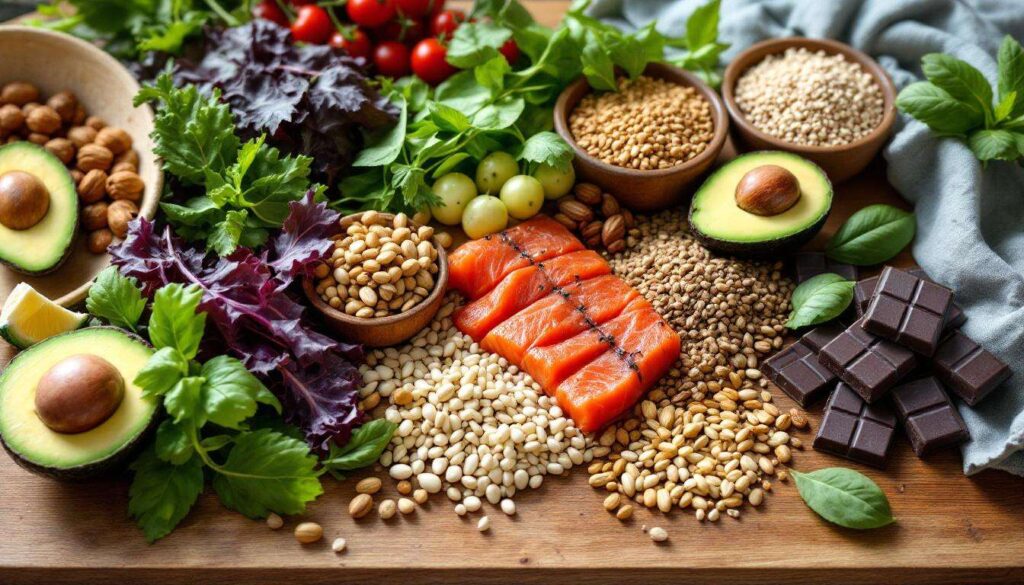
Magnesium plays a crucial role in over 300 biochemical reactions within the human body, yet many individuals struggle to meet their daily requirements through diet alone. Whilst supplements offer a convenient solution, obtaining this essential mineral from whole foods provides additional nutrients, better absorption rates, and fewer potential side effects. Understanding which foods naturally contain high levels of magnesium empowers you to make informed dietary choices that support optimal health without relying solely on supplementation.
The benefits of natural magnesium
Enhanced bioavailability and absorption
When you consume magnesium through whole food sources, your body benefits from superior absorption compared to synthetic supplements. Natural foods contain cofactors, including vitamins B6 and D, that work synergistically to enhance magnesium uptake in the digestive system. This biological synergy ensures that your cells receive the mineral in a form they recognise and utilise more efficiently.
Food-based magnesium also arrives with accompanying nutrients that supplements cannot replicate. Fibre, antioxidants, and phytonutrients present in magnesium-rich foods contribute to overall wellness whilst facilitating mineral absorption. This comprehensive nutritional package supports digestive health and reduces the gastrointestinal discomfort sometimes associated with magnesium supplements.
Reduced risk of overconsumption
Obtaining magnesium from dietary sources virtually eliminates the risk of toxicity. The body naturally regulates absorption from food, preventing the excessive intake that can occur with supplementation. This built-in safety mechanism makes whole foods the preferred choice for long-term magnesium maintenance.
| Source | Absorption Rate | Additional Benefits |
|---|---|---|
| Food sources | 30-40% | Fibre, vitamins, minerals |
| Supplements | 20-30% | Isolated nutrient |
Beyond absorption rates and safety considerations, natural magnesium sources provide a foundation for exploring specific food categories that excel in delivering this vital mineral.
Leafy green vegetables
Spinach and Swiss chard
Spinach stands as one of the most magnesium-dense vegetables available, providing approximately 157 milligrams per cooked cup. The chlorophyll molecule at the heart of its green pigment contains magnesium as a central component, making leafy greens particularly rich in this mineral. Swiss chard offers similar benefits, delivering around 150 milligrams per cooked cup alongside substantial amounts of vitamins A, C, and K.
Both vegetables offer remarkable versatility in meal preparation. Whether consumed raw in salads, sautéed as a side dish, or blended into smoothies, these greens maintain their nutritional integrity across various cooking methods.
Kale and other brassicas
Kale contributes approximately 23 milligrams of magnesium per cup when raw, though this concentration increases when cooked due to volume reduction. Other brassica family members also deserve consideration:
- Collard greens provide 38 milligrams per cooked cup
- Turnip greens offer 32 milligrams per cooked cup
- Mustard greens deliver 21 milligrams per cooked cup
- Bok choy contains 18 milligrams per cooked cup
These vegetables bring additional anti-inflammatory compounds and cancer-protective properties to your diet, making them valuable beyond their magnesium content alone. The variety within this category ensures you can rotate different greens throughout the week, maintaining both nutritional diversity and culinary interest as you explore other magnesium-rich food groups.
Nuts: a rich source of magnesium
Almonds and cashews
Almonds reign supreme amongst nuts for magnesium content, delivering approximately 80 milligrams per ounce (roughly 23 almonds). This portable snack provides not only magnesium but also healthy monounsaturated fats, protein, and vitamin E. Cashews follow closely behind, offering 74 milligrams per ounce alongside copper and zinc.
The convenience of nuts makes them ideal for busy lifestyles. A small handful consumed as a mid-afternoon snack or sprinkled over salads and yoghurt provides a substantial magnesium boost without requiring elaborate preparation.
Brazil nuts and other varieties
Brazil nuts contribute 107 milligrams of magnesium per ounce whilst simultaneously providing exceptional selenium content. However, their high selenium levels necessitate moderation—consuming just two to three Brazil nuts daily prevents excessive selenium intake whilst still benefiting from their magnesium.
Other noteworthy options include:
- Pine nuts: 71 milligrams per ounce
- Peanuts: 49 milligrams per ounce
- Walnuts: 44 milligrams per ounce
- Pecans: 34 milligrams per ounce
Rotating different nut varieties throughout the week ensures a broad spectrum of nutrients whilst preventing flavour fatigue. This strategy naturally leads to exploring another category of magnesium-rich foods that complement nuts perfectly in both nutrition and culinary applications.
Seeds and their virtues
Pumpkin seeds
Pumpkin seeds emerge as genuine magnesium powerhouses, containing approximately 150 milligrams per ounce. These small but mighty seeds also provide zinc, iron, and plant-based omega-3 fatty acids. Their mild, nutty flavour makes them exceptionally versatile—roasted as a standalone snack, ground into smoothies, or scattered across soups and salads.
Chia and flax seeds
Chia seeds offer 95 milligrams of magnesium per ounce alongside impressive fibre content that supports digestive health and blood sugar regulation. When soaked in liquid, they form a gel-like consistency perfect for puddings and porridge toppings. Flax seeds provide 110 milligrams per ounce and must be ground before consumption to unlock their nutritional benefits, as whole seeds pass through the digestive system largely intact.
| Seed Type | Magnesium (per ounce) | Best Use |
|---|---|---|
| Pumpkin | 150mg | Roasted snack |
| Flax | 110mg | Ground in smoothies |
| Chia | 95mg | Puddings, porridge |
| Sesame | 101mg | Tahini, toppings |
Seeds integrate seamlessly into numerous dishes, offering concentrated nutrition in minimal volume. Their compatibility with both sweet and savoury preparations provides flexibility, whilst their nutrient density rivals that of a surprisingly indulgent food category.
Dark chocolate: indulgence and benefits
Cocoa content matters
Dark chocolate containing 70-85% cocoa provides approximately 64 milligrams of magnesium per ounce. The higher the cocoa percentage, the greater the magnesium content and the lower the sugar levels. This makes quality dark chocolate a legitimate functional food rather than merely an occasional treat.
The flavonoids in dark chocolate offer cardiovascular benefits, including improved blood flow and reduced inflammation. These compounds work alongside magnesium to support heart health, creating a synergistic effect that enhances overall wellbeing.
Mindful consumption guidelines
Despite its nutritional merits, dark chocolate remains calorie-dense and should be consumed thoughtfully. One to two squares daily provides magnesium benefits without excessive caloric intake. Pairing dark chocolate with magnesium-rich nuts creates a satisfying snack that addresses multiple nutritional needs simultaneously.
Choosing minimally processed varieties with simple ingredient lists maximises health benefits. Avoid products with added vegetable oils, artificial flavours, or excessive sugar, as these additions diminish the nutritional value. This attention to quality extends naturally to the final category of magnesium-rich foods.
Seafood and magnesium
Fatty fish varieties
Mackerel leads seafood options with approximately 97 milligrams of magnesium per 100-gram serving. This oily fish also delivers omega-3 fatty acids crucial for brain health and inflammation reduction. Salmon provides around 53 milligrams per serving, whilst halibut offers 107 milligrams, making it an exceptional choice for magnesium intake.
Shellfish options
Oysters contribute significant magnesium alongside zinc and vitamin B12, providing approximately 22 milligrams per oyster. Mussels offer similar benefits with around 34 milligrams per 100-gram serving. These shellfish varieties bring unique flavour profiles and culinary possibilities:
- Steamed mussels with garlic and herbs
- Grilled oysters with lemon
- Baked mackerel with vegetables
- Pan-seared salmon with leafy greens
Seafood consumption twice weekly aligns with nutritional guidelines whilst providing substantial magnesium and essential fatty acids. Sustainable sourcing ensures environmental responsibility alongside personal health benefits.
Prioritising whole food sources of magnesium offers comprehensive nutritional advantages that supplements cannot replicate. Leafy greens, nuts, seeds, dark chocolate, and seafood provide this essential mineral alongside complementary nutrients that enhance absorption and support overall health. Incorporating these seven food categories into regular meal patterns addresses magnesium requirements naturally whilst promoting dietary diversity and culinary enjoyment. The synergistic effects of whole foods create a foundation for sustained wellness that isolated supplements struggle to match.