



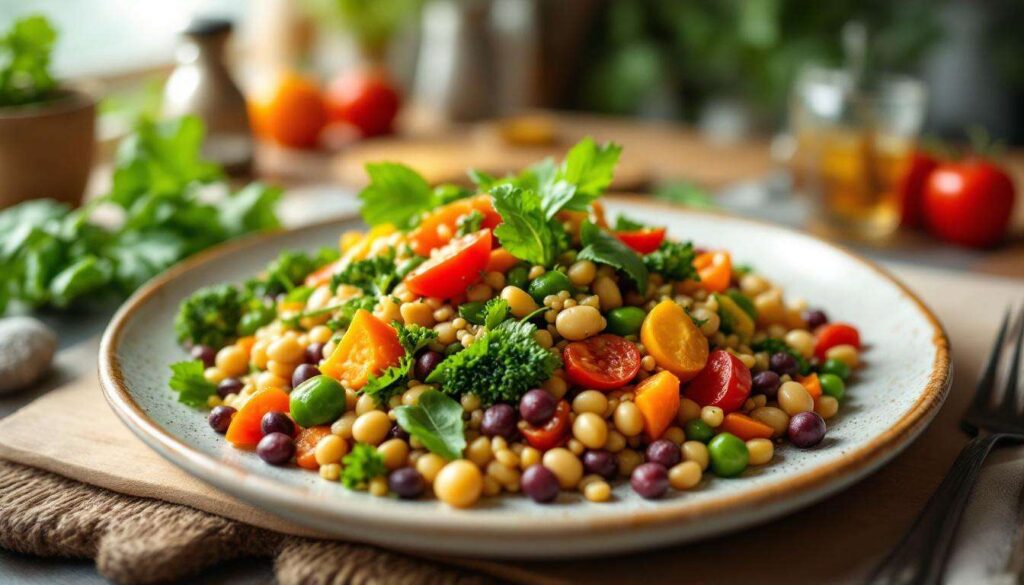
Meeting daily protein requirements on a vegetarian diet presents unique challenges, particularly when avoiding tofu. Many individuals following plant-based eating patterns seek diverse protein sources to maintain balanced nutrition whilst enjoying varied, flavourful meals. Fortunately, numerous high-protein ingredients exist beyond soya products, offering both nutritional value and culinary versatility. From legumes and dairy to nuts and whole grains, vegetarian cuisine provides abundant options for creating satisfying dinners that support muscle maintenance, satiety, and overall health without relying on processed soya-based foods.
What is a high-protein vegetarian dinner ?
Defining protein requirements for vegetarians
A high-protein vegetarian dinner typically contains between 20 to 35 grammes of protein per serving, meeting approximately one-third of the recommended daily intake for most adults. Vegetarians require roughly 0.8 to 1.0 grammes of protein per kilogramme of body weight daily, though active individuals may need more. The key distinction lies in sourcing these proteins exclusively from plant-based foods and, for lacto-ovo vegetarians, dairy and eggs.
| Protein Source | Protein per 100g | Complete Protein |
|---|---|---|
| Lentils (cooked) | 9g | No |
| Chickpeas (cooked) | 8.9g | No |
| Greek yoghurt | 10g | Yes |
| Eggs | 13g | Yes |
| Quinoa (cooked) | 4.4g | Yes |
Complete versus incomplete proteins
Complete proteins contain all nine essential amino acids the body cannot produce independently. Whilst animal products naturally provide complete proteins, most plant sources offer incomplete proteins lacking one or more essential amino acids. However, combining different plant proteins throughout the day ensures adequate amino acid intake. Eggs and dairy products remain excellent complete protein sources for vegetarians who include them in their diets.
Understanding these fundamentals helps in constructing balanced meals that deliver sufficient protein alongside other essential nutrients, setting the foundation for exploring specific ingredient categories.
Legumes as an essential source of protein
Varieties of protein-rich legumes
Legumes form the cornerstone of vegetarian protein consumption, offering substantial amounts alongside fibre, iron, and B vitamins. The most protein-dense options include:
- Black beans: 15g protein per cooked cup, ideal for Mexican-inspired dishes
- Lentils: 18g protein per cooked cup, perfect for curries and stews
- Chickpeas: 14.5g protein per cooked cup, versatile for Mediterranean cuisine
- Kidney beans: 13g protein per cooked cup, excellent in chilli preparations
- Split peas: 16g protein per cooked cup, traditional in soups
Preparing legumes for maximum nutrition
Proper preparation enhances both digestibility and nutrient absorption from legumes. Soaking dried beans overnight reduces cooking time and diminishes compounds that cause digestive discomfort. Adding kombu seaweed during cooking further improves digestibility whilst contributing minerals. Combining legumes with vitamin C-rich vegetables like tomatoes or peppers increases iron absorption, maximising nutritional benefits.
Recipe inspiration with legumes
Legume-based dinners offer endless creativity. A Moroccan chickpea tagine with apricots and almonds provides approximately 22g protein per serving. Black bean enchiladas topped with cheese deliver 25g protein alongside satisfying flavours. Lentil shepherd’s pie with mashed potato topping offers comfort food appeal with 20g protein per portion. These dishes demonstrate how legumes can anchor substantial, protein-rich meals without tofu.
Beyond legumes alone, incorporating dairy and eggs multiplies protein possibilities whilst adding variety to vegetarian meal planning.
Dairy and eggs: protein allies for vegetarians
High-protein dairy products
For lacto-vegetarians, dairy products provide exceptional protein density with complete amino acid profiles. Greek yoghurt leads with approximately 10g protein per 100g, whilst cottage cheese offers similar amounts. Hard cheeses like cheddar, parmesan, and gruyère contain 25-35g protein per 100g, though they’re typically consumed in smaller quantities. Paneer, the Indian cheese, delivers 18g protein per 100g and maintains structure when cooked, making it ideal for curries and grilled preparations.
Eggs as versatile protein sources
Eggs remain amongst the most bioavailable protein sources available, with each large egg containing approximately 6g of complete protein. Their versatility allows incorporation into numerous dinner preparations beyond breakfast contexts. Frittatas, shakshuka, egg curry, and Spanish tortilla all showcase eggs as centrepiece ingredients for satisfying evening meals.
Combining dairy and eggs in dinner recipes
Combining these ingredients amplifies protein content substantially. A spinach and feta frittata provides approximately 28g protein per serving. Vegetable quiche with cheese delivers 22-26g protein depending on cheese quantity. Greek-style baked eggs with yoghurt and herbs offer 20g protein alongside Mediterranean flavours. These combinations create restaurant-quality meals with impressive nutritional profiles.
Complementing these animal-derived proteins with plant-based concentrated sources adds textural variety and additional nutrients to vegetarian dinners.
Nuts and seeds: concentrated sources of plant protein
Protein content in nuts and seeds
Nuts and seeds pack remarkable protein density into small volumes, making them valuable additions to vegetarian dinners. Hemp seeds lead with 10g protein per 3 tablespoons, whilst pumpkin seeds provide 9g per quarter cup. Almonds contain 6g protein per ounce, and peanuts (technically legumes) offer 7g per ounce. These ingredients contribute healthy fats, minerals, and textural interest alongside their protein content.
| Nut/Seed | Protein per 30g | Key Nutrients |
|---|---|---|
| Hemp seeds | 10g | Omega-3, magnesium |
| Pumpkin seeds | 9g | Zinc, iron |
| Almonds | 6g | Vitamin E, calcium |
| Chia seeds | 5g | Omega-3, fibre |
Incorporating nuts and seeds into dinner meals
Rather than relegating nuts to snacking, incorporating them into main courses elevates both nutrition and flavour complexity. Cashew cream sauces provide dairy-free richness whilst contributing protein. Tahini-based dressings add Middle Eastern character alongside sesame protein. Crushed nuts create satisfying crusts for vegetable gratins or stuffed peppers. Sprinkling toasted seeds over grain bowls adds final protein boosts and appealing crunch.
Nut and seed butter applications
Nut butters extend beyond sandwiches into sophisticated dinner preparations. Peanut sauce transforms vegetable stir-fries into Thai-inspired creations with 8-10g added protein per serving. Almond butter enriches African-style stews with depth and nutrition. Tahini forms the foundation for creamy pasta sauces that coat vegetables and whole grains beautifully whilst delivering plant-based protein.
These concentrated protein sources work synergistically with another fundamental component of vegetarian nutrition: whole grains.
Whole grains for optimal protein intake
Protein-rich grain varieties
Whilst grains typically contain less protein than legumes, certain whole grains offer substantial amounts alongside complex carbohydrates. Quinoa provides 8g protein per cooked cup and contains all essential amino acids. Amaranth delivers 9g per cooked cup with similar completeness. Farro offers 8g per cooked cup with appealing chewy texture. Bulgur wheat provides 6g per cooked cup and cooks quickly for convenient meal preparation.
Combining grains with other protein sources
The traditional practice of combining grains with legumes creates complete protein profiles through complementary amino acids. Classic combinations include rice with lentils in Indian dal, bulgur with chickpeas in Middle Eastern dishes, and quinoa with black beans in Latin American preparations. These pairings deliver 25-30g protein per generous serving whilst providing satisfying, culturally diverse meals.
Ancient grains in modern cooking
Ancient grains have resurged in popularity, offering nutritional advantages over refined alternatives. Spelt pasta contains more protein than conventional wheat pasta, with approximately 6g per cooked cup. Kamut provides exceptional protein content at 10g per cooked cup. These grains form excellent foundations for vegetable-laden pasta dishes, grain bowls, and pilafs that centre vegetables whilst contributing meaningful protein amounts.
With these protein-rich ingredients understood, the creative assembly into complete meals demonstrates how vegetarian dinners achieve both nutritional adequacy and culinary excellence.
Creative recipes for tasty dinners without tofu
Mediterranean-inspired high-protein dinners
Mediterranean cuisine naturally accommodates vegetarian, high-protein preparations. A Greek moussaka substituting lentils for meat, layered with aubergine and béchamel, provides 26g protein per serving. Spanakopita with feta and eggs delivers 22g protein alongside flaky pastry satisfaction. Shakshuka with chickpeas added to the tomato base offers 24g protein in a single-pan preparation perfect for casual dining.
Asian-fusion vegetarian dinners
Asian flavours translate beautifully to tofu-free vegetarian cooking. Thai peanut noodles with vegetables and egg provide 28g protein when made with whole grain noodles and generous peanut sauce. Korean bibimbap topped with fried egg, featuring quinoa instead of rice, delivers 25g protein alongside colourful vegetables. Indian palak paneer with spinach and cheese offers 23g protein in aromatic, spiced gravy.
Comfort food with protein punch
Comfort classics adapt successfully to high-protein vegetarian versions. Lentil shepherd’s pie topped with cheesy mashed potatoes provides 24g protein per hearty portion. Black bean burgers with quinoa binder and cheese topping deliver 22g protein alongside satisfying texture. Vegetable lasagne with ricotta, mozzarella, and white bean layers offers 28g protein in familiar, crowd-pleasing format.
Quick weeknight protein solutions
Time-pressed evenings benefit from rapid high-protein preparations. Chickpea curry with Greek yoghurt garnish cooks in 25 minutes whilst providing 26g protein. Egg fried rice with abundant vegetables and cashews delivers 20g protein in 15 minutes. Three-bean chilli topped with cheese and served with cornbread offers 30g protein with minimal active cooking time.
These diverse recipes demonstrate that vegetarian, high-protein dinners without tofu span global cuisines and cooking styles, offering endless variety for health-conscious diners seeking both nutrition and flavour.
Achieving adequate protein on a vegetarian diet without tofu proves entirely feasible through strategic ingredient selection and creative meal planning. Legumes provide foundational plant protein, whilst dairy and eggs offer complete amino acid profiles for those who include them. Nuts, seeds, and whole grains contribute supplementary protein alongside essential nutrients and satisfying textures. The twenty-five dinner concepts explored demonstrate that vegetarian eating need not compromise protein intake or culinary enjoyment, offering diverse flavours from Mediterranean to Asian cuisines whilst meeting nutritional requirements through thoughtful ingredient combinations.