



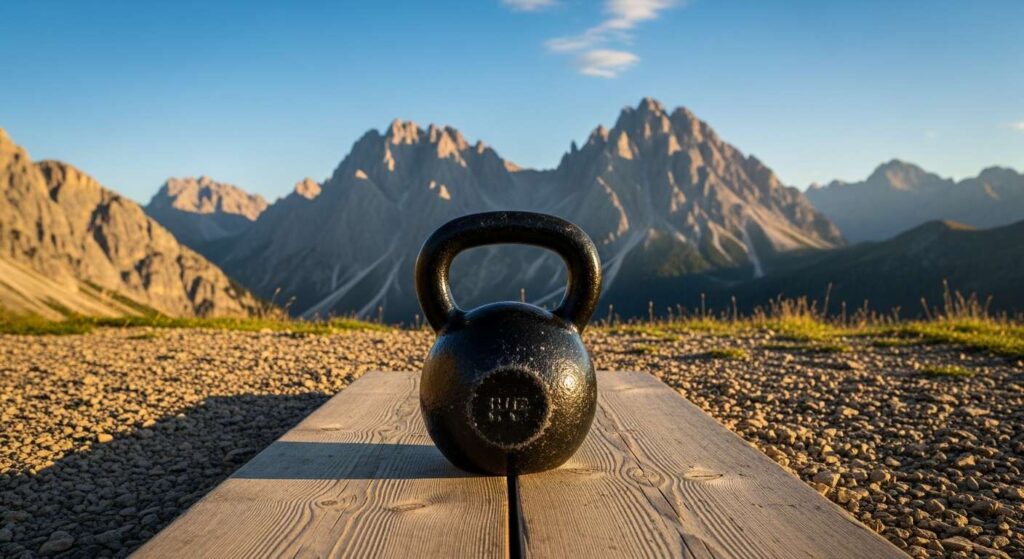
Training with minimal equipment has become increasingly popular amongst fitness enthusiasts seeking efficient and versatile workout solutions. A single heavy kettlebell stands out as one of the most effective tools for developing both strength and core power simultaneously. This four-exercise routine demonstrates how one piece of equipment can deliver comprehensive results, targeting multiple muscle groups whilst improving functional fitness and athletic performance. Whether training at home or in a commercial gym, this approach offers accessibility without compromising effectiveness.
Introduction to kettlebell training
The origins and evolution of kettlebell workouts
Kettlebells originated in Russia centuries ago, initially used as counterweights for measuring goods before athletes discovered their exceptional training potential. These cast-iron weights with handles have since evolved into mainstream fitness equipment, recognised for their ability to combine strength training with cardiovascular conditioning. Unlike traditional dumbbells, the offset centre of gravity challenges stabilising muscles throughout each movement, creating a more dynamic and functional training experience.
Why kettlebells deliver superior results
The unique design of kettlebells allows for ballistic movements that engage the entire body. This creates several distinct advantages:
- Enhanced grip strength from maintaining control throughout dynamic movements
- Improved coordination through compound exercises requiring multiple joints
- Greater calorie expenditure compared to isolated machine-based exercises
- Development of explosive power through hip-driven movements
- Increased core activation during every repetition
Research consistently demonstrates that kettlebell training produces measurable improvements in both anaerobic and aerobic capacity, making it an efficient choice for those with limited training time. The versatility of a single kettlebell means practitioners can perform hundreds of different exercises, ensuring progressive overload and continued adaptation.
Understanding these fundamental principles sets the foundation for exploring the specific exercises that maximise strength and core development.
Essential exercises to boost power
Goblet squat technique and benefits
The goblet squat serves as the cornerstone movement for lower body development. Holding the kettlebell at chest level with both hands cupping the handle, practitioners descend into a deep squat position whilst maintaining an upright torso. This exercise targets the quadriceps, hamstrings, and glutes whilst simultaneously engaging the core muscles to stabilise the weight. The front-loaded position naturally encourages proper squat mechanics, making it an excellent teaching tool for beginners and a challenging variation for advanced athletes when using heavier weights.
Kettlebell swing mechanics
The kettlebell swing represents perhaps the most iconic kettlebell exercise, engaging the entire posterior chain through explosive hip extension. Beginning with the kettlebell between the legs, practitioners drive their hips forward forcefully, propelling the weight to shoulder height or overhead depending on the variation. This movement develops:
- Powerful glute activation for athletic performance
- Lower back strength and resilience
- Hamstring flexibility and power
- Cardiovascular endurance through high-repetition sets
- Core stability under dynamic loading
Proper technique emphasises the hip hinge pattern rather than squatting, ensuring maximum power generation and injury prevention.
Single-arm row for unilateral strength
The single-arm row addresses muscular imbalances whilst building back thickness and core stability. Supporting oneself with one hand on a bench or stable surface, practitioners pull the kettlebell towards their hip, engaging the latissimus dorsi, rhomboids, and trapezius muscles. The unilateral nature forces the core to resist rotation, creating exceptional oblique activation and functional strength that translates to everyday movements and athletic performance.
Russian twist for rotational power
The Russian twist specifically targets the oblique muscles responsible for rotational movements. Seated with feet elevated, practitioners rotate the torso from side to side whilst holding the kettlebell, touching it to the ground beside each hip. This exercise develops the rotational strength essential for sports performance and injury prevention, whilst challenging the entire core musculature to maintain stability throughout the movement.
These four exercises form a comprehensive routine that addresses all major movement patterns and muscle groups.
Optimising strength and core with the kettlebell
Programming considerations for maximum results
Effective kettlebell training requires strategic programming that balances intensity, volume, and recovery. The recommended protocol involves performing three sets of each exercise with appropriate repetition ranges:
| Exercise | Sets | Repetitions | Rest Period |
|---|---|---|---|
| Goblet Squat | 3 | 12 | 60-90 seconds |
| Kettlebell Swing | 3 | 15 | 60-90 seconds |
| Single-Arm Row | 3 | 10 per side | 60-90 seconds |
| Russian Twist | 3 | 10 per side | 60-90 seconds |
This structure ensures adequate time under tension for muscle development whilst maintaining sufficient intensity for strength gains.
Core activation throughout the routine
Every exercise in this routine demands substantial core engagement, creating cumulative fatigue that strengthens the abdominal and lower back muscles. The goblet squat requires core bracing to maintain posture, the swing generates anti-extension demands, the row creates anti-rotation challenges, and the Russian twist directly targets rotational strength. This comprehensive approach develops a resilient and powerful core that supports all physical activities.
Implementing these programming strategies ensures consistent progress whilst understanding proper weight selection becomes the next critical consideration.
Tips for choosing the right kettlebell weight
Assessing your current fitness level
Selecting appropriate kettlebell weight requires honest self-assessment of current strength and experience. Beginners should prioritise learning proper technique with lighter weights before progressing to heavier loads. A general guideline suggests:
- Beginners (male): 12-16 kg for most exercises
- Beginners (female): 8-12 kg for most exercises
- Intermediate (male): 16-24 kg for strength development
- Intermediate (female): 12-16 kg for strength development
- Advanced (male): 24-32 kg or heavier
- Advanced (female): 16-24 kg or heavier
Exercise-specific weight considerations
Different exercises demand varying weight selections based on muscle group strength and movement complexity. The kettlebell swing typically allows for heavier weights than the goblet squat due to the explosive nature and larger muscle involvement. Single-arm rows may require moderate weights to maintain proper form throughout the range of motion, whilst Russian twists often utilise lighter loads to ensure controlled rotation without momentum taking over.
Progressive overload principles
Continuous improvement requires systematic progression in training stimulus. Once practitioners can complete all prescribed sets and repetitions with excellent form, several progression strategies become available: increasing weight by 2-4 kg, adding additional sets, reducing rest periods, or incorporating tempo variations. This gradual progression prevents plateaus whilst minimising injury risk.
Understanding weight selection naturally leads to exploring the broader benefits this training approach delivers.
The benefits of a kettlebell routine
Physical adaptations and improvements
Regular kettlebell training produces measurable physiological changes that extend beyond simple muscle growth. Practitioners experience enhanced muscular endurance, improved cardiovascular capacity, increased bone density, and superior joint stability. The compound nature of kettlebell exercises stimulates greater hormonal responses compared to isolated movements, promoting fat loss and muscle development simultaneously.
Functional fitness for daily life
The movements practised with kettlebells directly translate to everyday activities. The hip hinge pattern in swings mirrors lifting objects from the ground, goblet squats replicate sitting and standing movements, rows strengthen pulling actions, and core work supports all physical tasks requiring stability. This functional transfer makes kettlebell training particularly valuable for improving quality of life beyond aesthetic goals.
Time efficiency and accessibility
One of the most compelling advantages involves the minimal time investment required for effective workouts. This four-exercise routine can be completed in 20-30 minutes, making it ideal for busy schedules. The single equipment requirement eliminates barriers to entry, allowing training anywhere with minimal space. This accessibility ensures consistency, which remains the most critical factor for long-term success.
Recognising these benefits emphasises the importance of maximising each training session through proper execution and strategic planning.
Tips for maximising your session’s effectiveness
Proper warm-up protocols
Adequate preparation prevents injury and optimises performance during the working sets. A comprehensive warm-up should include:
- Five minutes of light cardiovascular activity to elevate heart rate
- Dynamic stretching focusing on hips, shoulders, and thoracic spine
- Movement-specific preparation with bodyweight versions of exercises
- Gradual loading with lighter kettlebell weights before working sets
This approach ensures muscles are adequately prepared for the demands of heavy kettlebell training.
Breathing techniques for power generation
Proper breathing creates intra-abdominal pressure that stabilises the spine and enhances force production. During the goblet squat and row, practitioners should inhale during the eccentric phase and exhale forcefully during the concentric phase. Kettlebell swings require a different pattern: sharp exhalation at the top of each swing whilst maintaining core tension. The Russian twist benefits from controlled breathing that maintains constant core engagement throughout rotation.
Recovery and frequency recommendations
Adequate recovery allows for adaptation and growth between training sessions. This routine can be performed three times weekly with at least one rest day between sessions, allowing 48-72 hours for muscular recovery. Active recovery activities such as walking, swimming, or yoga on off days promote blood flow without compromising adaptation. Nutrition and sleep quality significantly impact recovery capacity, making them essential components of any training programme.
Tracking progress and maintaining motivation
Documenting workouts provides objective feedback on improvement over time. Recording weights used, repetitions completed, and subjective difficulty ratings helps identify when progression is appropriate. Setting specific, measurable goals maintains focus and motivation throughout the training cycle. Celebrating small victories, such as completing an extra repetition or using a heavier weight, reinforces positive training habits that support long-term adherence.
A single heavy kettlebell combined with these four fundamental exercises creates a comprehensive training solution that develops strength, power, and core stability efficiently. The accessibility and versatility of this approach make it suitable for practitioners at all levels, from beginners establishing foundational movement patterns to advanced athletes seeking challenging workouts. By focusing on proper technique, appropriate weight selection, and consistent progression, anyone can achieve remarkable results with minimal equipment. The functional benefits extend beyond the gym, improving daily movement quality and overall physical resilience. Implementing these strategies ensures each training session delivers maximum value, transforming fitness goals into measurable achievements through dedicated practice and intelligent programming.