



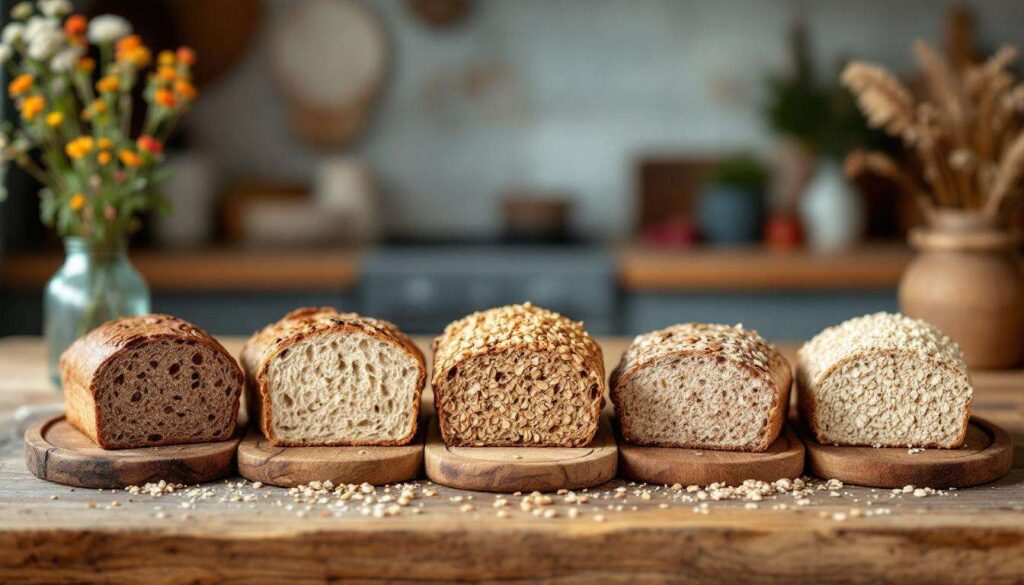
Managing blood pressure through dietary choices has become a priority for millions of people seeking to improve their cardiovascular health. Bread, often viewed as a staple food, can play a surprisingly significant role in this endeavour when selected wisely. Not all breads are created equal, and understanding which varieties offer the most benefits can make a substantial difference in maintaining healthy blood pressure levels. From whole grain options to fermented varieties, certain breads provide essential nutrients, fibre, and minerals that support vascular health and help regulate blood pressure naturally.
The benefits of whole grain bread for blood pressure
Nutritional composition and cardiovascular advantages
Whole grain bread stands out as one of the most beneficial choices for individuals aiming to control their blood pressure. Unlike refined white bread, which has been stripped of its most nutritious components, whole grain bread retains the bran, germ, and endosperm, providing a complete nutritional package. This preservation of all grain components ensures that consumers receive the full spectrum of vitamins, minerals, and phytonutrients naturally present in the grain.
The high fibre content in whole grain bread plays a crucial role in cardiovascular health. Dietary fibre helps to:
- Improve arterial function and flexibility
- Reduce systemic inflammation throughout the body
- Lower cholesterol levels, particularly LDL cholesterol
- Promote healthy blood sugar regulation
- Support beneficial gut bacteria that influence blood pressure
Essential minerals for blood pressure regulation
Whole grain bread is particularly rich in magnesium and potassium, two minerals that work synergistically to support healthy blood pressure. Magnesium helps relax blood vessel walls, allowing for improved blood flow and reduced vascular resistance. Potassium, meanwhile, helps balance sodium levels in the body, counteracting the blood pressure-raising effects of excessive salt intake. A single slice of quality whole grain bread can provide meaningful amounts of these essential minerals, contributing to daily nutritional requirements.
| Nutrient | Amount per slice | Benefit for blood pressure |
|---|---|---|
| Fibre | 3-5 grams | Improves arterial function |
| Magnesium | 30-40 mg | Relaxes blood vessels |
| Potassium | 80-120 mg | Balances sodium levels |
Understanding these nutritional advantages helps explain why whole grain bread is consistently recommended by health professionals. However, other bread varieties also offer unique properties worth exploring.
Rye bread: an ally against hypertension
Distinctive nutritional profile
Rye bread presents a compelling alternative to wheat-based options, offering a nutrient-dense composition that specifically benefits cardiovascular health. This bread variety is characterised by its lower calorie content compared to many wheat breads, whilst maintaining high levels of essential nutrients. The grain itself contains unique compounds that contribute to its blood pressure-lowering properties.
Glycaemic index and blood pressure connection
One of rye bread’s most significant advantages lies in its lower glycaemic index compared to refined wheat breads. Foods with a lower glycaemic index cause slower, more gradual rises in blood sugar levels, which has important implications for blood pressure management. Rapid blood sugar spikes can trigger inflammatory responses and stress the cardiovascular system, whilst stable blood sugar levels support overall vascular health.
Rye bread also demonstrates particular effectiveness in:
- Reducing LDL cholesterol levels
- Improving insulin sensitivity
- Promoting satiety and weight management
- Supporting healthy endothelial function
These properties make rye bread an excellent choice for those managing both blood pressure and metabolic health. The dense texture and distinctive flavour of rye bread also encourage mindful eating, potentially leading to better portion control.
Seed bread: nutrition and blood pressure control
Omega-3 fatty acids and cardiovascular health
Seed bread, typically incorporating varieties such as flaxseed, sunflower seeds, pumpkin seeds, and sesame seeds, offers exceptional nutritional benefits for blood pressure management. These seeds are rich sources of omega-3 fatty acids, which have been extensively studied for their cardiovascular protective effects. Omega-3s help reduce inflammation, improve endothelial function, and support healthy blood pressure levels through multiple mechanisms.
Mineral content and vascular support
Beyond healthy fats, seed bread provides concentrated amounts of minerals essential for blood pressure regulation. Pumpkin seeds are particularly rich in magnesium, whilst sesame seeds offer impressive calcium content. These minerals work together to support vascular health and maintain proper blood pressure.
| Seed type | Key nutrients | Blood pressure benefit |
|---|---|---|
| Flaxseed | Omega-3, fibre | Reduces inflammation |
| Pumpkin seeds | Magnesium, zinc | Relaxes blood vessels |
| Sunflower seeds | Vitamin E, selenium | Antioxidant protection |
The combination of fibre from the bread base and nutrients from the seeds creates a synergistic effect that supports comprehensive cardiovascular health. This variety also adds texture and flavour, making it an enjoyable option for daily consumption.
Sourdough bread: a healthy choice for reducing pressure
Fermentation and digestive benefits
Sourdough bread stands apart from other varieties due to its unique fermentation process, which involves naturally occurring lactobacilli and yeast cultures. This traditional method of bread-making offers several advantages for those managing blood pressure. The fermentation process partially breaks down the grain’s components, making nutrients more bioavailable and easier to digest.
Probiotic properties and blood pressure
The fermentation process in sourdough bread creates beneficial compounds that support gut health. Emerging research has established strong connections between gut microbiome health and blood pressure regulation. The probiotic activity in sourdough can contribute to a healthier gut environment, which may indirectly support cardiovascular health through various mechanisms including reduced inflammation and improved nutrient absorption.
Additional benefits of sourdough bread include:
- Lower glycaemic response compared to standard bread
- Reduced gluten content, improving digestibility
- Enhanced mineral absorption due to reduced phytic acid
- Longer-lasting satiety, supporting weight management
The tangy flavour and chewy texture of sourdough also make it a satisfying choice that can help reduce overall carbohydrate consumption when properly portioned.
Sprouted grain bread: a modern and healthy option
The sprouting process and nutritional enhancement
Sprouted grain bread represents an innovative approach to bread-making that maximises nutritional value. When grains begin to sprout, they undergo significant biochemical changes that enhance their nutritional profile. The sprouting process activates enzymes that break down complex compounds, making proteins, vitamins, and minerals more accessible to the body.
Protein and fibre content
This bread variety typically contains higher levels of protein and fibre compared to conventional whole grain breads. The increased protein content supports satiety and helps maintain stable blood sugar levels, whilst the abundant fibre promotes cardiovascular health through multiple pathways. The combination of these nutrients makes sprouted grain bread particularly effective for blood pressure management.
Sprouted grain bread offers several distinct advantages:
- Increased vitamin C and B vitamin content
- Higher levels of essential amino acids
- Improved protein digestibility
- Enhanced folate availability
- Better blood sugar regulation
These characteristics position sprouted grain bread as an excellent choice for those seeking optimal nutrition alongside blood pressure management. The slightly sweet, nutty flavour appeals to many consumers seeking healthier alternatives.
How to choose bread suitable for a balanced diet
Reading labels effectively
Selecting the right bread requires careful attention to product labels and ingredient lists. Look for breads that list “100% whole grain” or “100% whole wheat” as the first ingredient. Avoid products that simply state “wheat flour” or “enriched flour”, as these typically indicate refined grains with minimal nutritional value. The ingredient list should be relatively short and recognisable, without excessive additives or preservatives.
Fibre and sodium considerations
When evaluating bread options, prioritise varieties that contain at least 3 to 5 grams of fibre per slice. This level of fibre content indicates a genuinely whole grain product that will provide cardiovascular benefits. Equally important is monitoring sodium content, as excessive salt intake directly counteracts efforts to manage blood pressure. Choose breads with lower sodium levels, ideally under 150 milligrams per slice.
| Selection criterion | Target value | Why it matters |
|---|---|---|
| Fibre content | 3-5g per slice | Supports cardiovascular health |
| Sodium content | Under 150mg per slice | Prevents blood pressure elevation |
| Added sugars | Less than 2g per slice | Maintains stable blood sugar |
Consider purchasing bread from bakeries that specialise in traditional methods or look for organic options that typically contain fewer additives. Storing bread properly and consuming it fresh ensures maximum nutritional benefit and enjoyment.
Selecting appropriate bread varieties represents a simple yet effective strategy for supporting healthy blood pressure levels. The five bread types discussed each offer unique nutritional advantages, from the comprehensive benefits of whole grain bread to the probiotic properties of sourdough. By prioritising fibre content, essential minerals, and minimal processing, individuals can transform this everyday staple into a valuable component of a heart-healthy diet. Making informed choices at the bakery or supermarket empowers consumers to take meaningful steps towards better cardiovascular health whilst continuing to enjoy this fundamental food.