


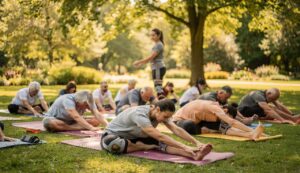

Millions of people across the globe struggle with sleep difficulties, from trouble falling asleep to frequent night-time awakenings. Recent scientific research has shed new light on how physical activity can significantly improve sleep quality, with one particular form of exercise standing out as exceptionally effective. Understanding which activities deliver the greatest benefits could transform the way we approach both fitness and rest.
The benefits of a good night’s sleep
Physical restoration and health
Quality sleep serves as the foundation for optimal physical health. During deep sleep phases, the body undertakes critical repair processes that maintain cellular health and support immune function. Adequate rest enables the cardiovascular system to recover, reduces inflammation throughout the body, and helps regulate hormone production essential for metabolism and growth.
Research consistently demonstrates that individuals who achieve seven to nine hours of quality sleep experience lower rates of chronic conditions including:
- Heart disease and stroke
- Type 2 diabetes
- Obesity
- Weakened immune response
Mental wellbeing and cognitive performance
Beyond physical health, sleep profoundly influences mental clarity and emotional stability. Proper rest enhances memory consolidation, allowing the brain to process and store information gathered throughout the day. Cognitive functions such as decision-making, problem-solving, and creativity all depend heavily on sufficient sleep.
Sleep deprivation, conversely, increases the risk of anxiety, depression, and mood disorders. The relationship between rest and mental health operates bidirectionally, with poor sleep contributing to psychological distress and mental health challenges disrupting sleep patterns. Understanding how exercise influences this delicate balance becomes particularly relevant when seeking sustainable solutions.
The link between physical activity and sleep quality
How exercise influences sleep mechanisms
Physical activity affects sleep through multiple biological pathways. Exercise triggers a temporary increase in body temperature, and the subsequent cooling period signals the body to prepare for rest. This thermoregulatory response aligns naturally with the circadian rhythm, promoting drowsiness at appropriate times.
Additionally, regular physical activity helps regulate the production of key hormones and neurotransmitters:
- Adenosine accumulation increases sleep pressure
- Cortisol levels decrease, reducing stress-related arousal
- Serotonin production improves, supporting mood and sleep cycles
- Melatonin secretion becomes more consistent
Timing and intensity considerations
The timing of exercise significantly impacts its effects on sleep. Morning and afternoon workouts generally produce the most beneficial outcomes, whilst vigorous activity close to bedtime can prove counterproductive for some individuals. The stimulating effects of intense exercise may interfere with the body’s natural wind-down process if performed within three hours of sleep.
However, intensity matters differently depending on the exercise type. Recent studies suggest that certain activities combining physical exertion with relaxation techniques may offer unique advantages regardless of timing. This distinction becomes crucial when identifying which exercises deliver optimal sleep improvements.
Which exercises to prioritise for better sleep ?
The standout performer: high-intensity yoga
A comprehensive meta-analysis examining over 2,500 participants across 30 clinical trials has identified high-intensity yoga as the most effective exercise for enhancing sleep quality. This finding challenges conventional assumptions that primarily emphasised aerobic activities.
High-intensity yoga differs from gentle, restorative practices by incorporating:
- Dynamic sequences requiring sustained physical effort
- Challenging postures that build strength and flexibility
- Controlled breathing techniques throughout demanding movements
- Mindfulness practices integrated with physical exertion
Participants who engaged in just 30 minutes of high-intensity yoga twice weekly demonstrated measurable improvements in sleep quality within 8 to 10 weeks. These results proved particularly pronounced among older adults experiencing insomnia.
Comparative effectiveness of different activities
| Exercise Type | Sleep Quality Improvement | Recommended Frequency |
|---|---|---|
| High-intensity yoga | Highest | 30 minutes, twice weekly |
| Tai chi | High | 45 minutes, 2-3 times weekly |
| Moderate aerobic exercise | Moderate to high | 150 minutes weekly |
| Resistance training | Moderate | 2-3 sessions weekly |
Whilst aerobic exercises and resistance training certainly contribute to better sleep, the unique combination of physical challenge and mental focus found in practices like yoga appears to deliver superior results. This evidence suggests that exercise selection should consider both body and mind engagement.
The impact of yoga and tai chi on insomnia
Mind-body integration for sleep enhancement
Yoga and tai chi share fundamental characteristics that make them particularly effective for addressing insomnia. Both practices emphasise the connection between physical movement, breath control, and mental awareness. This integrated approach targets multiple factors that commonly disrupt sleep.
The mechanisms through which these practices improve sleep include:
- Activation of the parasympathetic nervous system, promoting relaxation
- Reduction of rumination and anxiety through focused attention
- Release of physical tension accumulated throughout the day
- Regulation of stress hormones that interfere with sleep onset
Specific benefits for older adults
Research indicates that older adults with chronic insomnia experience particularly significant improvements from regular yoga and tai chi practice. These age-related benefits may stem from several factors including reduced joint impact compared to high-intensity aerobic activities and the practices’ ability to address age-related anxiety and physical discomfort.
Participants in studies reported not only falling asleep faster but also experiencing fewer night-time awakenings and improved overall sleep satisfaction. The gentle yet engaging nature of these exercises makes them accessible whilst remaining sufficiently challenging to produce meaningful physiological changes. These findings naturally lead to consideration of other accessible exercise options.
Walking or running: simple solutions against sleep disorders
Accessibility and effectiveness of aerobic activities
Whilst high-intensity yoga demonstrates superior results, walking and running remain valuable tools for improving sleep quality. These activities require minimal equipment, can be performed almost anywhere, and accommodate various fitness levels through adjustable intensity and duration.
Moderate-intensity aerobic exercise contributes to better sleep by:
- Increasing total sleep time
- Enhancing slow-wave sleep, the deepest and most restorative phase
- Reducing the time required to fall asleep
- Decreasing daytime fatigue and sleepiness
Optimising walking and running routines
To maximise sleep benefits from these activities, consistency proves more important than intensity. Regular moderate-paced walks or runs performed at least three to four times weekly produce more reliable improvements than sporadic intense sessions.
Practical recommendations include:
- Aiming for 30 to 45 minutes per session
- Scheduling activities in morning or early afternoon
- Maintaining a conversational pace rather than pushing to exhaustion
- Incorporating outdoor routes when possible for additional circadian benefits from natural light exposure
These straightforward approaches offer practical starting points for individuals new to exercise or those seeking simple interventions. The accumulating scientific evidence supporting these recommendations deserves closer examination.
Scientific studies: evidence of the effectiveness of exercises on sleep
Key research findings and methodology
The meta-analysis published in a leading medical journal synthesised data from 30 randomised controlled trials involving diverse populations. Researchers specifically examined how different exercise modalities affected subjective and objective sleep measures among individuals with diagnosed sleep difficulties.
The study’s rigorous methodology included:
- Standardised sleep quality assessments using validated instruments
- Objective measurements through actigraphy and polysomnography
- Follow-up periods ranging from 8 to 24 weeks
- Comparison groups receiving no intervention or alternative treatments
Statistical significance and practical implications
Results demonstrated that high-intensity yoga participants showed the greatest improvements across multiple sleep parameters. Effect sizes indicated clinically meaningful changes, not merely statistical differences. Participants reported enhanced sleep quality scores alongside measurable increases in sleep efficiency and duration.
Additional findings revealed that combining different exercise types produced cumulative benefits, suggesting that varied physical activity routines may offer advantages over single-modality approaches. The research also highlighted that benefits persisted beyond the intervention period when participants maintained regular practice, indicating lasting physiological adaptations rather than temporary effects.
Regular physical activity emerges as a powerful, accessible intervention for sleep difficulties, with high-intensity yoga demonstrating exceptional effectiveness. The evidence supports incorporating mind-body practices alongside traditional aerobic and resistance exercises for comprehensive sleep improvement. Individuals struggling with sleep quality should consider integrating these evidence-based activities into their routines, adjusting frequency and intensity based on personal capacity and response. The relationship between exercise and sleep represents a natural, sustainable approach to addressing one of modern society’s most prevalent health challenges.