



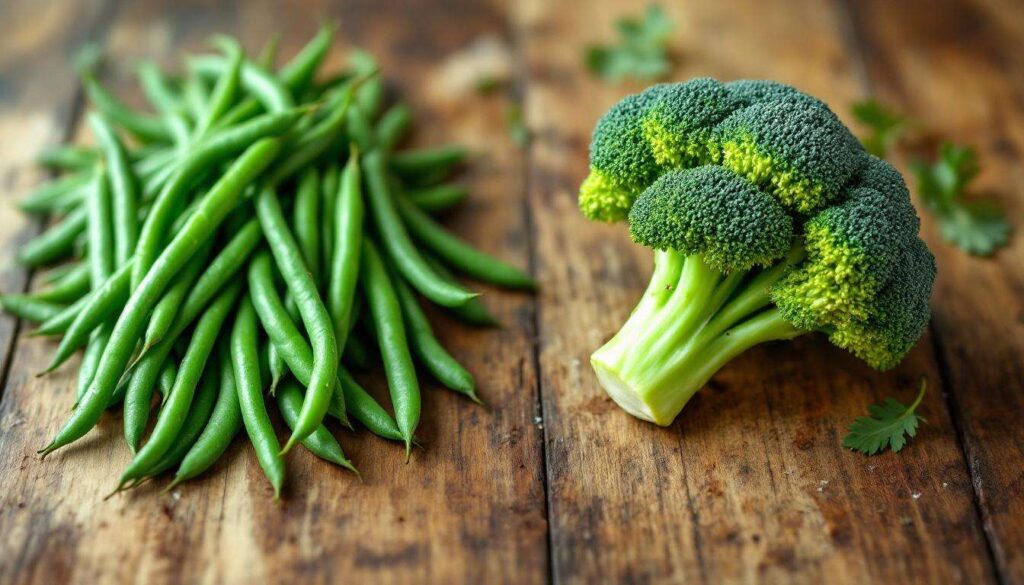
Nutritional choices often hinge on understanding the precise benefits each vegetable brings to the table. Green beans and broccoli stand as two of the most widely consumed vegetables across households, yet their nutritional profiles differ significantly in ways that matter for daily health. Examining the vitamin content, mineral composition, dietary fibre, antioxidant capacity, and the effects of preparation methods reveals which vegetable may better serve specific dietary needs. Both vegetables offer compelling advantages, but their distinct characteristics make them suitable for different nutritional goals.
Comparative analysis of vitamins between green beans and broccoli
Vitamin C and immune support
Broccoli emerges as a powerhouse for vitamin C, delivering approximately 69.4 mg per cup compared to green beans’ more modest contribution. This water-soluble vitamin plays a critical role in immune function, collagen synthesis, and antioxidant protection. The substantial difference means that broccoli provides nearly double the recommended daily intake in a single serving, whilst green beans offer a smaller but still valuable amount. For individuals seeking to bolster immune defences or support skin health, broccoli presents a more concentrated source of this essential nutrient.
Vitamin K and blood clotting mechanisms
The disparity in vitamin K content between these vegetables is particularly striking. Broccoli contains approximately 101.6 mcg per cup, far exceeding the daily requirement and supporting crucial functions:
- Blood clotting regulation
- Bone mineralisation processes
- Cardiovascular health maintenance
- Prevention of arterial calcification
Green beans provide vitamin K as well, though in significantly lower quantities. This makes broccoli the superior choice for those concerned with bone density or managing anticoagulant medication interactions.
Vitamin A and carotenoid content
Green beans demonstrate their nutritional strength through vitamin A provision, offering approximately 690 IU per cup primarily from alpha-carotene and beta-carotene. These precursors convert to active vitamin A in the body, supporting:
- Visual function and night vision
- Skin cell regeneration
- Mucous membrane integrity
- Reproductive health
Broccoli contains vitamin A as well, though green beans provide a more concentrated source of these carotenoids, making them particularly valuable for eye health and skin maintenance.
B-vitamin complex comparison
Both vegetables contribute to B-vitamin intake, yet broccoli offers notably higher levels of folate and pantothenic acid. Folate proves essential for DNA synthesis and cell division, whilst pantothenic acid supports energy metabolism. The following table illustrates the B-vitamin differences:
| B-Vitamin | Broccoli (per 100g) | Green Beans (per 100g) |
|---|---|---|
| Folate | 63 mcg | 33 mcg |
| Pantothenic Acid | 0.6 mg | 0.2 mg |
| Vitamin B6 | 0.2 mg | 0.1 mg |
These differences suggest that broccoli provides more comprehensive support for cellular metabolism and energy production, whilst green beans contribute modestly to these functions. Understanding these vitamin variations helps determine which vegetable aligns better with individual nutritional requirements and health objectives.
Variations in mineral content: green beans vs broccoli
Calcium and phosphorus for skeletal integrity
Broccoli delivers approximately 47 mg of calcium per 100g, surpassing green beans’ 34 mg. This difference matters significantly for individuals focused on bone health, particularly those avoiding dairy products. Calcium works synergistically with phosphorus to maintain bone density and dental health. Broccoli also provides higher phosphorus levels, creating a more balanced mineral profile for skeletal support. The bioavailability of calcium from broccoli remains relatively high compared to some plant sources, making it an effective non-dairy calcium option.
Iron content and oxygen transport
Green beans demonstrate superiority in iron provision, offering approximately 1.0 mg per 100g compared to broccoli’s 0.7 mg. This distinction proves important for:
- Haemoglobin production
- Oxygen delivery to tissues
- Energy metabolism support
- Cognitive function maintenance
Whilst the difference appears modest, regular consumption of green beans can contribute meaningfully to meeting daily iron requirements, particularly for individuals with increased needs such as menstruating women or athletes.
Magnesium and metabolic functions
Green beans provide approximately 25 mg of magnesium per 100g, slightly exceeding broccoli’s 21 mg. Magnesium participates in over 300 enzymatic reactions throughout the body, influencing muscle contraction, nerve transmission, and blood glucose regulation. This mineral also supports cardiovascular rhythm and helps maintain healthy blood pressure levels. The higher magnesium content in green beans makes them particularly valuable for individuals managing metabolic conditions or seeking to optimise muscle function.
Potassium and electrolyte balance
Both vegetables contribute to potassium intake, though broccoli provides marginally higher amounts. This essential mineral helps regulate fluid balance, nerve signals, and muscle contractions. The following comparison illustrates the mineral profiles:
| Mineral | Broccoli (per 100g) | Green Beans (per 100g) |
|---|---|---|
| Calcium | 47 mg | 34 mg |
| Iron | 0.7 mg | 1.0 mg |
| Magnesium | 21 mg | 25 mg |
| Potassium | 316 mg | 209 mg |
These mineral variations demonstrate that each vegetable offers distinct advantages depending on specific nutritional priorities. Beyond minerals, the fibre content of these vegetables plays an equally important role in overall health outcomes.
Dietary fibre composition and implications for digestive health
Total fibre content comparison
Both vegetables provide valuable dietary fibre, with broccoli offering approximately 2.6g per 100g and green beans delivering around 2.7g. This similarity means both contribute effectively to meeting the recommended daily fibre intake of 25-30g for adults. Regular fibre consumption supports bowel regularity, prevents constipation, and promotes a healthy gut microbiome. The comparable fibre levels suggest that choosing between these vegetables for fibre content alone offers minimal advantage, making other nutritional factors more decisive.
Soluble versus insoluble fibre ratios
The distinction between soluble and insoluble fibre proves more significant than total fibre content. Green beans contain a higher proportion of soluble fibre, which:
- Dissolves in water to form a gel-like substance
- Slows glucose absorption and stabilises blood sugar
- Binds to cholesterol particles for elimination
- Increases satiety and supports weight management
Broccoli provides more insoluble fibre, which adds bulk to stool and accelerates intestinal transit time. This type of fibre proves particularly effective for preventing constipation and maintaining regular bowel movements.
Impact on gut microbiota diversity
Both vegetables function as prebiotic foods, feeding beneficial gut bacteria and promoting microbial diversity. The fibre and specific plant compounds in broccoli and green beans serve as fuel for probiotic organisms, particularly species that produce short-chain fatty acids. These metabolic byproducts reduce intestinal inflammation, strengthen the gut barrier, and may influence immune function throughout the body. Broccoli’s glucosinolates and green beans’ flavonoids interact with gut bacteria in distinct ways, suggesting that consuming both vegetables maximises microbiome benefits.
Glycaemic response and metabolic effects
The fibre composition influences glycaemic response, with both vegetables demonstrating low glycaemic index values. Green beans’ higher soluble fibre content creates a more gradual glucose release, making them particularly suitable for individuals managing diabetes or insulin resistance. The following table compares their metabolic characteristics:
| Characteristic | Broccoli | Green Beans |
|---|---|---|
| Glycaemic Index | 10 | 15 |
| Glycaemic Load (per 100g) | 1 | 1 |
| Total Fibre | 2.6g | 2.7g |
These fibre benefits extend beyond digestion, as both vegetables contain protective compounds that contribute to long-term health maintenance.
Diversity and availability of antioxidants in green beans and broccoli
Glucosinolates and isothiocyanates in broccoli
Broccoli contains glucosinolates, sulphur-containing compounds that convert to bioactive isothiocyanates during chewing and digestion. The most studied of these, sulforaphane, demonstrates remarkable properties:
- Activation of cellular detoxification enzymes
- Reduction of oxidative stress markers
- Modulation of inflammatory pathways
- Support for DNA repair mechanisms
These compounds give broccoli its distinctive taste and contribute to its reputation as a cancer-protective food. Research suggests that regular consumption may reduce risk factors for certain malignancies, though individual responses vary based on genetic factors affecting glucosinolate metabolism.
Flavonoids and carotenoids in green beans
Green beans provide a different antioxidant profile, rich in flavonoids such as quercetin and kaempferol, alongside carotenoids including lutein and beta-carotene. These compounds offer complementary protective effects:
- Neutralisation of free radicals
- Protection of cellular membranes from oxidative damage
- Support for visual health and macular protection
- Anti-inflammatory signalling effects
The carotenoid content particularly distinguishes green beans, providing compounds that accumulate in eye tissues and protect against age-related vision decline.
Vitamin C and E synergy
Both vegetables contain vitamin C and vitamin E, which work synergistically as antioxidants. Vitamin C regenerates oxidised vitamin E, creating a protective cycle that enhances overall antioxidant capacity. Broccoli’s substantially higher vitamin C content amplifies this effect, whilst green beans contribute modest amounts of both vitamins. This antioxidant partnership helps protect lipids, proteins, and DNA from oxidative modifications that accumulate with ageing and environmental exposures.
Measurement of antioxidant capacity
Laboratory assessments using ORAC values (Oxygen Radical Absorbance Capacity) provide standardised measurements of antioxidant potential:
| Vegetable | ORAC Value (per 100g) |
|---|---|
| Broccoli | 1,510 |
| Green Beans | 799 |
These values indicate that broccoli possesses nearly double the antioxidant capacity of green beans, though both contribute meaningfully to total dietary antioxidant intake. The preparation methods employed significantly influence whether these protective compounds remain available for absorption.
Impact of cooking methods on nutrient retention
Effects of boiling on water-soluble nutrients
Boiling represents the most nutrient-depleting cooking method for both vegetables. Water-soluble vitamins, particularly vitamin C and B vitamins, leach into cooking water and are discarded. Studies demonstrate that boiling broccoli for ten minutes can reduce vitamin C content by up to 50%, whilst green beans experience similar losses. Minerals also migrate into cooking liquid, though to a lesser extent than vitamins. The nutrient loss increases with longer cooking times and larger water volumes, making boiling the least recommended preparation method when nutrient preservation matters.
Steaming for optimal nutrient preservation
Steaming preserves nutrients more effectively than boiling, as vegetables never contact water directly. This method retains:
- 85-95% of vitamin C content
- 90% of folate and B vitamins
- Nearly all mineral content
- Maximum glucosinolate availability in broccoli
Steaming for 3-5 minutes maintains vegetable texture whilst ensuring thorough cooking. This approach proves particularly valuable for broccoli, as brief steaming actually increases sulforaphane availability by deactivating a protein that would otherwise degrade this beneficial compound.
Microwaving and nutrient outcomes
Microwaving with minimal water produces nutrient retention comparable to steaming. The rapid cooking time and reduced water exposure limit vitamin losses. Research indicates that microwaving broccoli for 2-3 minutes preserves more vitamin C than any other cooking method. Green beans similarly benefit from microwave preparation, maintaining their vitamin A and mineral content effectively. The key involves using covered containers with small amounts of water, creating a steaming effect within the microwave environment.
Stir-frying and fat-soluble nutrient absorption
Stir-frying in small amounts of oil offers unique advantages for fat-soluble nutrient absorption. Carotenoids in green beans and vitamin K in broccoli require dietary fat for optimal absorption. Quick cooking at high heat:
- Minimises cooking time and nutrient exposure
- Enhances bioavailability of fat-soluble vitamins
- Preserves texture and flavour compounds
- Maintains glucosinolate integrity in broccoli
The following table summarises nutrient retention across cooking methods:
| Cooking Method | Vitamin C Retention | Mineral Retention | Antioxidant Retention |
|---|---|---|---|
| Boiling | 40-50% | 70-80% | 60-70% |
| Steaming | 85-95% | 95-100% | 85-95% |
| Microwaving | 90-95% | 95-100% | 85-90% |
| Stir-frying | 75-85% | 90-95% | 80-90% |
These preparation considerations matter significantly when translating nutrient content into actual health benefits for cardiovascular and skeletal systems.
Health correlations: cardiovascular protection and contributions to bone health
Cardiovascular benefits of broccoli consumption
Broccoli’s cardiovascular protective effects stem from multiple mechanisms. The high vitamin K content prevents arterial calcification by directing calcium into bones rather than blood vessel walls. Sulforaphane reduces oxidative stress in vascular tissues and may improve endothelial function. The fibre content helps lower LDL cholesterol by binding bile acids, whilst folate reduces homocysteine levels, an independent cardiovascular risk factor. Regular broccoli consumption correlates with:
- Reduced systolic blood pressure
- Improved arterial flexibility
- Lower inflammatory markers
- Decreased oxidised LDL cholesterol
These effects make broccoli particularly valuable for individuals with cardiovascular risk factors or family histories of heart disease.
Green beans and cholesterol management
Green beans contribute to cardiovascular health primarily through their soluble fibre content, which binds cholesterol in the digestive tract and promotes its elimination. The magnesium content supports healthy blood pressure regulation by promoting vascular relaxation. Additionally, the flavonoids in green beans demonstrate anti-inflammatory properties that may reduce arterial inflammation, a key contributor to atherosclerosis development. Whilst less studied than broccoli for cardiovascular effects, green beans provide complementary benefits that support overall heart health.
Bone mineralisation and osteoporosis prevention
Broccoli’s exceptional vitamin K content makes it particularly valuable for bone health. Vitamin K activates osteocalcin, a protein that binds calcium into bone matrix. The calcium and phosphorus in broccoli provide building blocks for bone tissue, whilst vitamin C supports collagen formation in bone structure. Studies suggest that adequate vitamin K intake correlates with:
- Higher bone mineral density
- Reduced fracture risk in older adults
- Slower bone loss during ageing
- Improved bone quality markers
Green beans contribute to bone health as well, though their lower vitamin K and calcium content makes them less impactful for skeletal maintenance.
Synergistic effects of combined consumption
Incorporating both vegetables into regular dietary patterns provides complementary health benefits. The following table summarises their distinct contributions:
| Health Aspect | Broccoli Advantage | Green Beans Advantage |
|---|---|---|
| Cardiovascular | Vitamin K, sulforaphane | Soluble fibre, magnesium |
| Bone Health | Vitamin K, calcium | Magnesium, moderate calcium |
| Immune Function | Vitamin C, antioxidants | Vitamin A, moderate vitamin C |
| Metabolic Health | Fibre, chromium | Soluble fibre, low glycaemic |
Alternating between these vegetables throughout the week ensures comprehensive nutrient intake whilst preventing dietary monotony.
Both green beans and broccoli deserve regular inclusion in balanced eating patterns, each offering distinct nutritional strengths. Broccoli provides superior vitamin C, vitamin K, and calcium content alongside powerful glucosinolates that support cellular health. Green beans excel in vitamin A provision, iron content, and soluble fibre that aids cholesterol management. The choice between them depends on individual nutritional priorities: those focused on bone health and immune support may favour broccoli, whilst individuals managing blood sugar or seeking eye health benefits might prioritise green beans. Optimal health outcomes emerge from incorporating both vegetables regularly, prepared using methods that preserve their valuable nutrients. Steaming or brief microwaving maintains maximum nutritional value, whilst varied preparation techniques prevent dietary boredom. Rather than selecting one vegetable over the other, embracing both creates nutritional synergy that supports cardiovascular function, skeletal integrity, and overall wellbeing.