



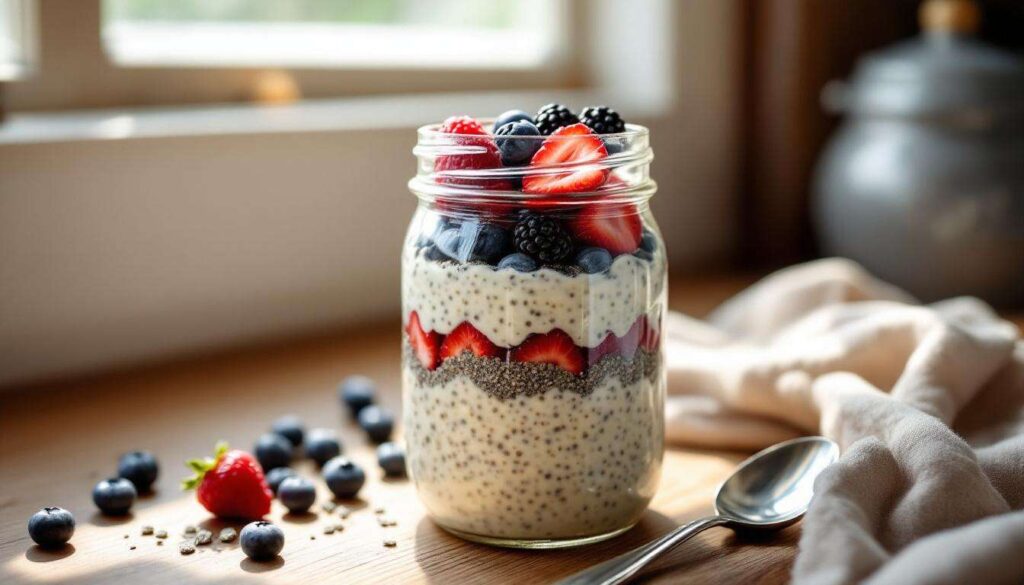
Busy mornings and weight management goals often seem incompatible, yet a simple solution exists that requires no cooking and delivers complete nutrition. Overnight oats offer a practical breakfast option that supports healthy weight loss through balanced macronutrients, sustained energy release and remarkable versatility. This no-fuss preparation method transforms ordinary porridge oats into a ready-to-eat meal that saves time whilst providing the fibre, protein and essential nutrients needed to start the day properly.
The benefits of overnight oats for weight loss
Sustained satiety through fibre content
Oats contain beta-glucan, a soluble fibre that creates a gel-like consistency in the digestive system, slowing down digestion and prolonging feelings of fullness. A typical serving delivers approximately 4 grams of fibre, contributing significantly to the daily recommended intake of 25 to 30 grams. This prolonged satiety helps prevent mid-morning snacking, which often derails weight loss efforts.
Balanced macronutrient profile
The combination of complex carbohydrates, protein and healthy fats in overnight oats provides steady energy release throughout the morning. Unlike sugary breakfast cereals that cause blood sugar spikes and subsequent crashes, oats maintain stable glucose levels. When prepared with additions such as Greek yoghurt or nut butter, the protein content can reach 17 grams per serving, supporting muscle maintenance during calorie restriction.
Metabolic advantages
Regular consumption of oats has been associated with improved metabolic markers. The nutritional composition supports:
- Better insulin sensitivity
- Reduced cholesterol levels
- Improved gut health through prebiotic effects
- Enhanced fat oxidation during weight loss
Understanding these physiological benefits provides context for why overnight oats work so effectively as part of a weight management strategy. The next consideration involves mastering the preparation technique to maximise these advantages.
How to prepare healthy overnight oats
Basic preparation method
The fundamental technique requires minimal effort and equipment. Combine rolled oats with liquid in a ratio of approximately 1:1 or 1:1.5, depending on desired consistency. Mix thoroughly, cover and refrigerate for at least four hours or overnight. The oats absorb the liquid, softening to a creamy texture without any cooking required.
Choosing the right base ingredients
The foundation of healthy overnight oats lies in selecting appropriate base components:
| Ingredient | Benefit | Approximate calories per 100ml |
|---|---|---|
| Skimmed milk | Low calorie, protein-rich | 35 |
| Soy milk | Plant-based protein | 40 |
| Greek yoghurt | High protein, creamy texture | 60 |
| Almond milk | Very low calorie | 15 |
Portion control and container selection
Using appropriate containers helps with portion management. A standard serving consists of 40 to 50 grams of dry oats, which expands considerably after soaking. Glass jars or sealed containers work best, allowing preparation of multiple servings simultaneously for the week ahead. This batch preparation ensures consistency and removes morning decision-making.
Once the basic preparation method is mastered, exploring flavour combinations becomes the natural progression towards maintaining long-term adherence to this breakfast routine.
Overnight oats recipes with berries and yoghurt
Classic berry combination
Berries provide natural sweetness without excessive calories whilst delivering antioxidants and additional fibre. Mix 45 grams rolled oats with 100ml Greek yoghurt and 50ml skimmed milk. Add 50 grams mixed berries (strawberries, blueberries, raspberries) and refrigerate overnight. This combination delivers approximately 250 calories with substantial protein content.
Layered berry parfait style
Create visual appeal and textural variety by layering ingredients. Start with a base of oats soaked in almond milk, add a middle layer of Greek yoghurt mixed with mashed banana, then top with fresh berries and a sprinkle of chia seeds. The chia seeds absorb moisture overnight, adding extra thickness and omega-3 fatty acids.
Protein-boosted berry recipes
For those requiring higher protein intake, incorporate these modifications:
- Add 15 grams vanilla protein powder to the liquid mixture
- Use 150ml Greek yoghurt instead of milk
- Include 10 grams ground almonds for texture and healthy fats
- Top with 5 grams hemp seeds for additional plant protein
These berry-based recipes demonstrate how fruit naturally enhances flavour, yet countless other taste profiles can be explored whilst maintaining the nutritional principles that support weight loss.
Varying flavours while maintaining nutritional balance
Chocolate and nut combinations
Satisfy chocolate cravings healthily by adding one tablespoon of cocoa powder to the basic recipe. Combine with a teaspoon of peanut butter for richness and protein. This creates a dessert-like breakfast that remains within calorie targets when portions are controlled. The healthy fats from nut butter increase satiety without derailing weight loss progress.
Spiced and warming varieties
Cinnamon, nutmeg and ginger add flavour complexity without calories. A popular combination includes:
- 45 grams oats
- 120ml unsweetened almond milk
- Half a grated apple
- One teaspoon cinnamon
- Pinch of nutmeg
- Five chopped walnuts
This apple-cinnamon variation provides autumn comfort whilst delivering approximately 220 calories per serving.
Tropical and exotic options
Mango, pineapple and coconut create holiday-inspired breakfasts. Use light coconut milk as the liquid base, add diced mango and a sprinkle of desiccated coconut. The natural sweetness of tropical fruits means no added sugars are necessary, keeping the recipe aligned with weight loss objectives.
Maintaining nutritional consistency
Regardless of flavour variations, successful recipes maintain certain principles:
| Component | Purpose | Examples |
|---|---|---|
| Complex carbohydrates | Energy and fibre | Rolled oats, quinoa flakes |
| Protein source | Satiety and muscle preservation | Greek yoghurt, protein powder, nut butter |
| Healthy fats | Nutrient absorption, satisfaction | Nuts, seeds, nut butter |
| Fruit or vegetables | Micronutrients, natural sweetness | Berries, banana, grated courgette |
With these flavour possibilities established, the focus shifts to individual customisation techniques that allow precise calorie management according to personal requirements.
Tips for personalising and reducing calories
Strategic ingredient swaps
Small modifications create significant calorie differences without compromising satisfaction. Replace full-fat milk with unsweetened almond milk to save approximately 100 calories per serving. Use half the quantity of nut butter initially planned, or opt for powdered peanut butter which provides flavour with 85% fewer calories than regular versions.
Sweetener alternatives
Avoid adding honey, maple syrup or sugar by relying on natural fruit sweetness. Mashed banana, grated apple or a few chopped dates provide sweetness alongside additional nutrients. If extra sweetness is essential, stevia or monk fruit sweetener offer zero-calorie options without affecting blood glucose levels.
Portion awareness techniques
Accurate measurement prevents calorie creep. Useful strategies include:
- Weighing oats on digital scales rather than estimating
- Pre-portioning toppings into small containers
- Using measuring spoons for nut butter and seeds
- Preparing servings in standardised jars for consistency
Enhancing volume without calories
Increase portion size visually and physically without adding significant calories by incorporating grated courgette or cauliflower into the mixture. These vegetables become undetectable once soaked but add bulk and micronutrients. Similarly, adding extra liquid creates a larger, more satisfying portion with negligible calorie impact.
Timing and preparation efficiency
Prepare five to seven servings simultaneously each week, storing them in the refrigerator for up to five days. This batch approach ensures consistency, reduces morning stress and eliminates the temptation to choose less healthy alternatives when time is limited. Label containers with preparation dates to maintain freshness.
Overnight oats represent a practical solution for those pursuing weight loss without sacrificing nutrition or taste. The high fibre content promotes sustained satiety, preventing the snacking that often undermines calorie control. By mastering basic preparation techniques and exploring diverse flavour combinations, this breakfast option remains interesting and enjoyable long-term. Strategic ingredient choices and portion awareness allow precise calorie management whilst the versatility accommodates individual preferences and dietary requirements. The simplicity of batch preparation removes barriers to consistency, making overnight oats an accessible tool for anyone seeking a healthier relationship with breakfast and sustainable weight management.