



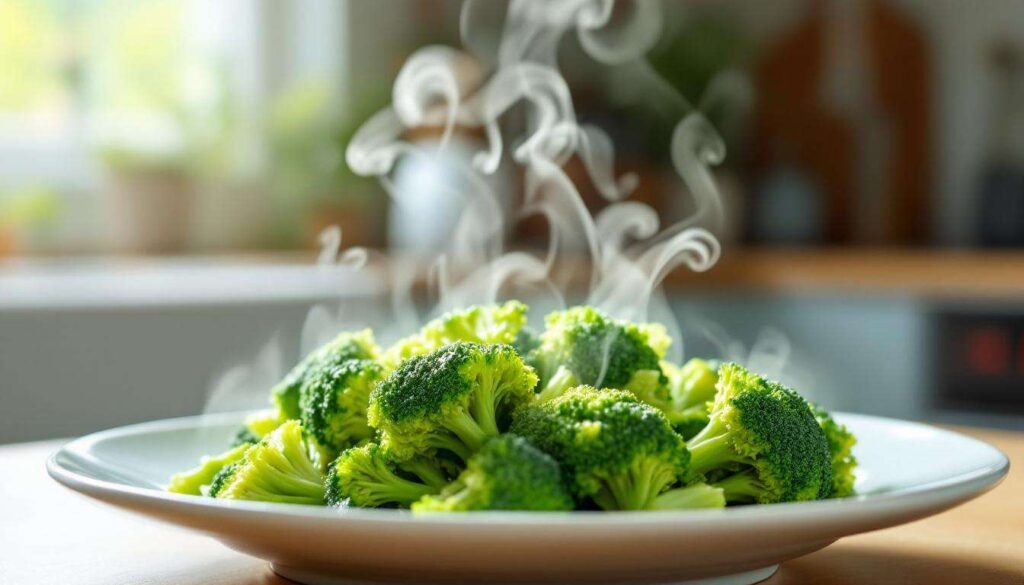
Broccoli has long been celebrated as a nutritional powerhouse, packed with vitamins, minerals, and compounds that support overall health. Yet, many home cooks unwittingly diminish its benefits through improper preparation. The way we cook this vibrant green vegetable can either preserve or destroy its valuable antioxidants, particularly sulforaphane, a compound linked to cancer prevention and cellular protection. Understanding which cooking techniques maximise nutrient retention allows us to harness broccoli’s full potential whilst enjoying its distinctive flavour and texture.
Introduction to broccoli and its benefits
A cruciferous vegetable with exceptional properties
Broccoli belongs to the cruciferous family, a group of vegetables distinguished by their remarkable health-promoting compounds. This green vegetable contains an impressive array of nutrients, including vitamin C, vitamin K, folate, and dietary fibre. However, its most celebrated component is sulforaphane, a sulphur-containing compound formed when the enzyme myrosinase interacts with glucoraphanin during chewing or chopping.
Health benefits backed by research
The consumption of broccoli has been associated with numerous health advantages:
- Anticancer properties, particularly for prostate, breast, and colon cancers
- Anti-inflammatory effects that may reduce chronic disease risk
- Cardiovascular protection through improved blood vessel function
- Enhanced detoxification processes in the liver
- Support for healthy digestion and gut microbiome
These benefits make broccoli an essential component of a health-conscious diet, but only when prepared correctly to preserve its active compounds.
Given broccoli’s impressive nutritional profile, understanding how to maximise its antioxidant content becomes particularly important for those seeking optimal health outcomes.
The importance of antioxidants in our diet
Understanding oxidative stress
Antioxidants serve as the body’s defence system against oxidative stress, a process where unstable molecules called free radicals damage cells, proteins, and DNA. This damage accumulates over time and contributes to ageing, chronic inflammation, and various diseases. Our modern environment exposes us to numerous sources of free radicals, including pollution, processed foods, stress, and ultraviolet radiation.
How antioxidants protect our health
Dietary antioxidants neutralise free radicals before they cause cellular harm. Sulforaphane, broccoli’s primary antioxidant, works differently from typical antioxidants. Rather than directly neutralising free radicals, it activates the body’s own antioxidant production systems, providing longer-lasting protection. This mechanism makes sulforaphane particularly valuable compared to other antioxidants that work only temporarily.
Daily antioxidant requirements
Research suggests consuming multiple servings of antioxidant-rich vegetables weekly provides optimal protection. For broccoli specifically, studies indicate that one to two servings per week may reduce disease risk, whilst two to three servings of cruciferous vegetables weekly offer maximum benefits. The key lies not just in consumption frequency but in preparation methods that preserve these vital compounds.
With this understanding of antioxidants’ critical role, examining how different cooking methods affect their availability becomes essential.
Traditional cooking methods: benefits and drawbacks
Boiling: convenience versus nutrient loss
Boiling represents the most common cooking method for broccoli, offering simplicity and speed. However, this approach comes with significant nutritional compromises. Water-soluble vitamins and sulforaphane leach into cooking water, which is typically discarded. Studies demonstrate that prolonged boiling can reduce sulforaphane levels by up to 90%, essentially negating many of broccoli’s health benefits.
| Cooking method | Nutrient retention | Sulforaphane preservation |
|---|---|---|
| Boiling (10 minutes) | Low (40-60%) | Very low (10-20%) |
| Microwaving | Moderate (60-75%) | Moderate (50-60%) |
| Roasting | Moderate (65-80%) | Moderate (55-65%) |
Microwaving and roasting alternatives
Microwaving broccoli with minimal water preserves more nutrients than boiling, as shorter cooking times and reduced water contact limit nutrient loss. Roasting at high temperatures creates appealing flavours through caramelisation but may degrade some heat-sensitive compounds. Both methods offer improvements over boiling, yet neither achieves optimal nutrient retention.
Raw consumption considerations
Eating raw broccoli maximises myrosinase enzyme activity, theoretically producing more sulforaphane. However, raw broccoli can be difficult to digest and may cause gastrointestinal discomfort. Additionally, without proper chewing, the formation of sulforaphane remains incomplete. A balance between palatability, digestibility, and nutrient preservation guides the search for optimal cooking methods.
These traditional approaches highlight the need for cooking techniques that balance convenience with nutritional preservation.
Steaming: an ally to preserve nutrients
Why steaming outperforms other methods
Steaming emerges as the superior cooking method for broccoli, preserving up to 90% of its antioxidants when done correctly. Unlike boiling, steaming keeps broccoli florets above water, preventing nutrient leaching whilst applying gentle heat. The myrosinase enzyme, crucial for sulforaphane formation, remains largely intact during brief steaming, unlike the complete destruction that occurs with prolonged boiling.
The science behind optimal steaming
Research indicates that steaming broccoli for three to five minutes achieves the ideal balance between palatability and nutrient retention. This duration softens the vegetable sufficiently for easy consumption whilst preserving its vibrant green colour and crisp texture. The key lies in removing broccoli from heat immediately after this window, as additional cooking rapidly degrades beneficial compounds.
Equipment and technique
Proper steaming requires minimal equipment:
- A steamer basket or insert that fits your saucepan
- A tight-fitting lid to trap steam effectively
- Sufficient water to generate steam without touching the broccoli
- A timer to ensure precise cooking duration
The technique involves bringing water to a rolling boil, placing uniform broccoli florets in the steamer basket, covering tightly, and timing carefully. Immediate removal and serving prevent residual heat from continuing the cooking process.
Beyond the basic steaming technique, several additional strategies can further enhance broccoli’s nutritional value.
Tips to optimise broccoli cooking
The 40-minute resting period
One of the most significant discoveries in broccoli preparation involves allowing chopped florets to rest before cooking. When broccoli is cut, cell damage triggers the interaction between myrosinase and glucoraphanin, initiating sulforaphane formation. Allowing this process to proceed for 40 minutes before applying heat maximises sulforaphane production, as the enzyme completes its work before heat deactivation occurs.
Cutting techniques for uniform cooking
Cutting broccoli into uniform florets of approximately 90 grammes ensures even cooking. Florets of similar size reach optimal doneness simultaneously, preventing some pieces from overcooking whilst others remain undercooked. The stems, often discarded, contain valuable nutrients and can be peeled and sliced into rounds for inclusion.
Temperature and timing precision
Maintaining proper steam temperature and adhering to the three to five-minute window proves critical. Broccoli should emerge tender yet firm, retaining a slight crunch. Visual cues include a brightened green colour and easy pierce-ability with a fork. Overcooking produces a dull olive colour and mushy texture, indicating significant nutrient degradation.
Light stir-frying as an alternative
For those seeking variety, light stir-frying offers comparable nutrient retention to steaming. Using minimal oil over medium-high heat for three to four minutes preserves sulforaphane whilst adding appealing flavour. The key involves constant movement to prevent burning and removing broccoli whilst still crisp.
With these preparation techniques mastered, incorporating broccoli into daily meals becomes both practical and enjoyable.
Advice to incorporate broccoli into your daily diet
Selecting quality broccoli
Choosing fresh broccoli ensures maximum nutrient content and flavour. Look for firm, compact florets with deep green or purple-green colouration. Avoid broccoli with yellowing florets, woody stems, or wilted appearance, as these signs indicate age and reduced nutritional value. Fresh broccoli should feel heavy for its size and emit a mild, pleasant aroma.
Storage strategies
Proper storage extends broccoli’s shelf life and preserves nutrients:
- Store unwashed broccoli in a perforated plastic bag in the refrigerator crisper
- Use within three to five days for optimal freshness
- Frozen broccoli offers convenience and retains most nutrients when flash-frozen shortly after harvest
- Avoid washing before storage, as moisture accelerates spoilage
Versatile serving suggestions
Steamed broccoli serves as a versatile foundation for numerous dishes. Toss with olive oil and lemon juice for a simple side dish, incorporate into grain bowls with quinoa or brown rice, blend into soups for added nutrition, or combine with pasta and garlic for a satisfying meal. Adding broccoli to omelettes, stir-fries, and salads increases vegetable intake effortlessly.
Frequency and portion guidance
Aim for one to two servings of broccoli weekly, with each serving comprising approximately 90 to 150 grammes of cooked florets. This frequency provides substantial health benefits without monotony. Rotating broccoli with other cruciferous vegetables like cauliflower, Brussels sprouts, and kale ensures diverse nutrient intake whilst maintaining interest.
Steaming broccoli for three to five minutes after a 40-minute resting period following chopping emerges as the definitive method for maximising antioxidant retention. This approach preserves up to 90% of sulforaphane and other beneficial compounds, far exceeding the nutrient retention of boiling or prolonged cooking. Light stir-frying offers a flavourful alternative with comparable benefits. Selecting fresh, firm broccoli and storing it properly ensures optimal nutrient content before cooking. By incorporating properly prepared broccoli into meals one to two times weekly, individuals can harness this vegetable’s remarkable health-promoting properties, from cancer prevention to cardiovascular support. The combination of correct preparation techniques and regular consumption transforms broccoli from a simple side dish into a powerful component of a health-focused diet.