



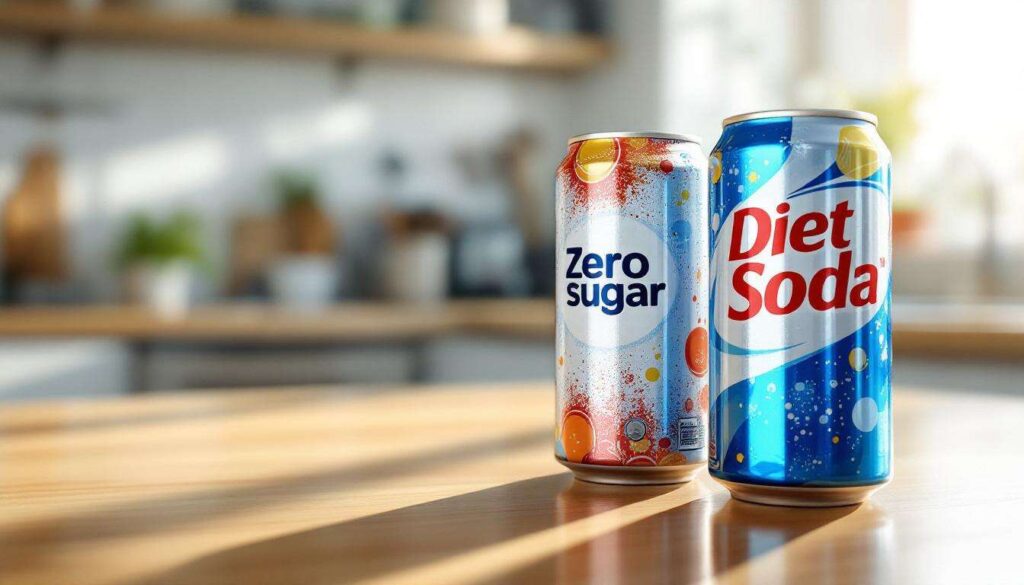
Soft drinks have become a staple in modern diets, yet their impact on health, particularly blood sugar levels, remains a topic of considerable debate. For individuals managing diabetes or prediabetes, the choice between zero sugar sodas and diet sodas presents a dilemma that requires careful consideration. Both options promise the sweetness of traditional fizzy drinks without the sugar content, but understanding their distinct characteristics and potential effects is essential for making informed decisions about beverage consumption.
Definitions and stakes of sugar and sweeteners
Understanding sugar and its metabolic impact
Sugar, primarily in the form of sucrose, is a simple carbohydrate that provides rapid energy to the body. When consumed, it breaks down into glucose and fructose, causing blood sugar levels to rise quickly. This spike triggers insulin release from the pancreas, which helps cells absorb glucose for energy or storage. For individuals with diabetes, this process is impaired, leading to potentially dangerous blood sugar fluctuations.
The role of artificial sweeteners
Artificial sweeteners emerged as alternatives to sugar, offering sweetness without the caloric content or carbohydrate load. These synthetic or natural compounds provide intense sweetness at minimal doses, allowing manufacturers to create products that satisfy sweet cravings whilst avoiding blood sugar spikes. The most common artificial sweeteners include:
- Aspartame: approximately 200 times sweeter than sugar
- Sucralose: around 600 times sweeter than sugar
- Acesulfame potassium: roughly 200 times sweeter than sugar
- Stevia: a natural sweetener derived from plant leaves
- Monk fruit extract: a natural option with zero calories
Health implications of sweetener consumption
The stakes surrounding sweetener use extend beyond simple blood sugar management. Research continues to examine whether these compounds affect metabolism, gut bacteria, appetite regulation, and long-term disease risk. For individuals with diabetes, the immediate concern centres on maintaining stable blood glucose levels, but the broader picture includes cardiovascular health, weight management, and overall metabolic function.
These considerations become particularly relevant when examining specific beverage categories designed for health-conscious consumers.
Impact of soda on blood sugar
Traditional sodas and glucose response
Regular sodas contain substantial amounts of sugar, typically 35 to 40 grams per 330ml serving. This quantity translates to approximately 9 to 10 teaspoons of sugar, causing rapid and significant blood glucose elevation. For someone with diabetes, consuming such beverages can lead to dangerous hyperglycaemia, requiring immediate insulin intervention or medication adjustment.
Immediate versus delayed effects
The glycaemic impact of beverages differs from solid foods due to the absence of fibre, protein, or fat to slow absorption. Liquid sugars enter the bloodstream remarkably quickly, often within 15 to 30 minutes of consumption. This rapid absorption makes sodas particularly problematic for blood sugar management, as the body has little time to mount an appropriate insulin response.
| Beverage type | Sugar content (per 330ml) | Estimated blood glucose impact |
|---|---|---|
| Regular cola | 39g | High spike within 30 minutes |
| Diet cola | 0g | Minimal to none |
| Zero sugar cola | 0g | Minimal to none |
Metabolic consequences of regular consumption
Beyond immediate blood sugar spikes, habitual consumption of sugary sodas contributes to insulin resistance, weight gain, and increased risk of type 2 diabetes. The liver processes fructose differently from glucose, potentially leading to fatty liver disease and metabolic syndrome when consumed in excess. These long-term effects underscore why healthcare professionals consistently recommend limiting or eliminating sugary beverages from the diet.
Given these concerns, the beverage industry has developed alternatives that promise sweetness without metabolic consequences.
Differences between zero sugar soda and diet soda
Sweetener composition variations
The primary distinction between diet and zero sugar sodas lies in their sweetener formulations. Diet sodas traditionally rely on aspartame as the main sweetening agent, whilst zero sugar variants often employ blends of sucralose, acesulfame potassium, and sometimes natural sweeteners like stevia or monk fruit extract. This difference in composition affects both taste profile and potential health implications.
Flavour and consumer perception
Many consumers report that zero sugar sodas more closely replicate the taste of regular sugared versions compared to diet sodas. This perception stems from the sweetener combinations used, which manufacturers have refined to minimise the metallic or bitter aftertaste sometimes associated with aspartame. The marketing strategies also differ, with zero sugar products often positioned as premium alternatives rather than diet options, appealing to consumers who avoid the “diet” label.
Nutritional profiles
From a nutritional standpoint, both categories contain:
- Zero calories or negligible caloric content
- No sugar or carbohydrates
- No direct impact on blood glucose levels
- Similar caffeine content when comparing equivalent products
- Identical carbonation and acidity levels
Despite these similarities, the choice of sweetener may influence individual responses and long-term health outcomes, leading to questions about their broader physiological effects.
Effects of artificial sweeteners on health
Short-term metabolic responses
Research through 2025 indicates that artificial sweeteners do not cause immediate blood sugar or insulin spikes in most individuals. Studies measuring glucose responses following consumption of diet or zero sugar sodas show minimal to no elevation in blood glucose levels, making them seemingly safe options for diabetes management in the short term.
Long-term health associations
However, longer-term observational studies have revealed more complex relationships. Some research suggests associations between regular artificial sweetener consumption and:
- Increased risk of developing type 2 diabetes
- Potential alterations in gut microbiome composition
- Possible changes in appetite regulation and food preferences
- Uncertain effects on cardiovascular health markers
- Questions about weight management effectiveness
Mechanisms of concern
Scientists hypothesise several mechanisms through which artificial sweeteners might affect metabolism despite not raising blood sugar directly. These include altered insulin sensitivity, changes in incretin hormone secretion, modifications to gut bacteria that influence glucose metabolism, and potential effects on taste preferences that lead to increased consumption of sweet foods overall. The research remains ongoing, with no definitive consensus on the magnitude or clinical significance of these effects.
Individual variability
Response to artificial sweeteners varies considerably among individuals, influenced by genetics, existing gut microbiome composition, metabolic health status, and consumption patterns. Some people may experience no adverse effects, whilst others might notice changes in appetite, digestion, or blood sugar stability. This variability complicates universal recommendations and highlights the importance of personalised approaches to beverage selection.
Given these complexities, many health-conscious individuals seek alternatives that avoid both sugar and artificial sweeteners entirely.
Healthy alternatives to sodas
Water as the optimal choice
Plain water remains the gold standard for hydration and blood sugar management. It contains no calories, sweeteners, or additives that might affect metabolism, and it supports optimal physiological function. For those who find plain water unpalatable, several modifications can enhance appeal without compromising health benefits.
Naturally flavoured options
Creating flavourful beverages without added sugars or sweeteners is entirely achievable through natural ingredients:
- Infused water with cucumber, mint, or citrus fruits
- Herbal teas served hot or iced without sweeteners
- Sparkling water with a splash of fresh fruit juice
- Unsweetened iced tea with lemon or lime
- Coconut water in moderation for natural electrolytes
Beverages with functional benefits
Some alternatives offer additional health benefits beyond simple hydration. Green tea provides antioxidants and may support metabolic health. Kombucha, when chosen carefully for low sugar content, delivers probiotics that support gut health. Bone broth offers minerals and protein whilst being virtually carbohydrate-free.
Portion control with natural juices
Whilst fruit juices contain natural sugars that affect blood glucose, small amounts diluted with sparkling water can provide flavour satisfaction with reduced glycaemic impact. A ratio of one part juice to three or four parts water creates a refreshing beverage with significantly less sugar than undiluted juice or regular sodas.
Implementing these alternatives requires practical strategies for making sustainable beverage choices in everyday situations.
Tips for choosing a suitable drink
Assessing individual tolerance
Personal response to different beverages varies, making self-monitoring essential. Individuals managing blood sugar should test glucose levels before and after consuming new drinks to understand their specific impact. Keeping a beverage diary that tracks consumption alongside blood sugar readings, energy levels, and appetite can reveal patterns that inform better choices.
Reading labels effectively
Understanding product labels helps identify hidden sugars and sweeteners. Key elements to examine include:
- Total carbohydrate content, not just sugar listing
- Types of sweeteners used and their position in ingredient lists
- Serving size, as nutritional information may be misleading
- Additional additives that might affect health
- Caffeine content if sensitivity is a concern
Moderation as guiding principle
Even with zero sugar or diet options, moderation remains crucial. Limiting artificially sweetened beverages to occasional consumption rather than daily habits reduces potential long-term risks whilst still allowing enjoyment. Treating these drinks as occasional treats rather than staple beverages aligns with evidence suggesting that frequency of consumption matters as much as the specific product chosen.
Practical implementation strategies
Successfully transitioning away from regular sodas involves gradual changes rather than abrupt elimination. Starting by replacing one sugary drink per day with water or unsweetened alternatives, progressively increasing the ratio of healthier options, and finding satisfying substitutes for specific occasions all contribute to sustainable behaviour change. Keeping preferred alternatives readily available whilst limiting access to less healthy options supports consistent adherence to better choices.
Both zero sugar and diet sodas offer improvements over traditional sugary beverages for blood sugar management, yet neither represents an ideal long-term solution. The absence of immediate glucose spikes makes them acceptable occasional choices for individuals with diabetes, but emerging evidence about potential metabolic effects with regular consumption warrants caution. Water and naturally flavoured alternatives provide superior options for daily hydration, supporting stable blood sugar levels without the uncertainties surrounding artificial sweeteners. Individual tolerance varies, making personalised approaches based on self-monitoring and professional guidance most effective. Prioritising whole, unprocessed beverages whilst treating sweetened options as occasional indulgences offers the most prudent strategy for maintaining metabolic health and stable blood glucose control.