


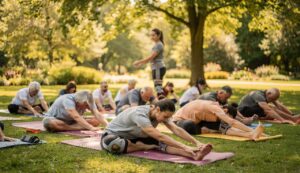

Stepping back into the world of fitness after a considerable break can feel daunting, particularly when you’re navigating the physical and mental shifts that accompany your 40s and 50s. The approach that served you well in your 20s—high-intensity sessions, minimal recovery time, and a seemingly indestructible body—no longer applies in quite the same way. Fitness professionals emphasise that returning to exercise during midlife requires a recalibrated mindset, one that honours the body’s evolving needs whilst building strength, mobility, and resilience for the decades ahead. This isn’t about limitations; it’s about intelligent adaptation and creating a sustainable relationship with movement that enhances everyday life.
Rediscovering the joy of exercise over 40
Shifting your perspective on what fitness means
The first step in returning to fitness during your 40s and 50s involves redefining your relationship with exercise. Rather than chasing personal bests or comparing yourself to your younger self, the focus should shift towards quality of life improvements. This means recognising that physical activity serves to enhance daily functioning, boost energy levels, and support mental well-being. Many people find that this shift in perspective removes unnecessary pressure and allows them to approach workouts with curiosity rather than dread.
Finding activities that bring genuine pleasure
Enjoyment becomes a critical factor in maintaining consistency. Consider exploring activities you may not have tried before:
- Walking groups or hiking trails that combine social interaction with cardiovascular benefits
- Swimming or water aerobics, which offer low-impact resistance training
- Dance classes that improve coordination whilst lifting mood
- Cycling, either outdoors or on a stationary bike, for joint-friendly cardio
- Yoga or Pilates sessions that blend strength, flexibility, and mindfulness
The key lies in experimentation. What worked—or didn’t work—in your 20s may surprise you now. Your body and preferences have evolved, and discovering new forms of movement can reignite enthusiasm for staying active.
Building a mindset of progress, not perfection
Adopting a growth mindset proves essential when returning to fitness later in life. This means celebrating small victories: an extra repetition, improved flexibility, or simply showing up consistently. Fitness professionals stress that psychological resilience often matters more than physical prowess at this stage. By focusing on incremental progress rather than immediate results, you create a foundation for long-term success that doesn’t rely on unsustainable bursts of motivation.
Understanding why you’re exercising sets the stage for how you’ll approach the physical demands of a new routine.
Adapting your workout to new bodily demands
Recognising physiological changes
The body undergoes significant changes from your 20s to your 40s and beyond. Muscle mass naturally declines, a process known as sarcopenia, whilst bone density decreases and connective tissues become less elastic. Hormonal shifts, particularly during perimenopause and menopause, can affect energy levels, recovery time, and body composition. These changes aren’t weaknesses; they’re simply realities that require thoughtful accommodation in your training approach.
Tailoring exercise selection
Rather than jumping straight into high-impact activities, consider a more measured approach:
- Start with bodyweight exercises before adding external resistance
- Choose lower-impact cardio options initially, such as brisk walking or elliptical training
- Incorporate exercises that mimic daily movements, like squats, lunges, and carrying patterns
- Include exercises performed in multiple planes of motion to improve overall functionality
This functional fitness approach ensures that your workouts translate directly into improved capability for everyday tasks, from lifting shopping bags to playing with grandchildren.
Understanding recovery requirements
Recovery becomes increasingly important as we age. The body requires more time to repair tissues and replenish energy stores. This means:
| Recovery aspect | In your 20s | In your 40s and 50s |
|---|---|---|
| Rest days needed | 1-2 per week | 2-3 per week |
| Sleep requirements | 7-8 hours | 7-9 hours |
| Post-workout soreness duration | 24-48 hours | 48-72 hours |
Adequate rest isn’t laziness; it’s a strategic component of your fitness plan that allows adaptations to occur and reduces injury risk.
Once you’ve acknowledged these bodily changes, the question becomes how to execute movements safely and effectively.
Prioritising technique over intensity
The foundation of proper form
When returning to exercise, quality trumps quantity every time. Poor technique not only diminishes the effectiveness of an exercise but significantly increases injury risk—something that becomes more consequential as recovery takes longer. Fitness experts recommend starting with lighter weights or simpler variations to establish correct movement patterns before progressing to more challenging versions.
Seeking professional guidance
Consider investing in sessions with a qualified trainer who understands the specific needs of midlife exercisers. A professional can:
- Assess your current movement capabilities and identify any imbalances or limitations
- Teach proper breathing techniques that support core stability
- Provide modifications for exercises that may aggravate existing conditions
- Design a progressive programme that challenges you appropriately without overwhelming your system
- Offer accountability and motivation during the crucial early stages
Listening to your body’s signals
Developing body awareness becomes paramount. Learn to distinguish between productive discomfort—the burn of working muscles—and warning signs of potential injury, such as sharp pain, joint instability, or persistent soreness. This awareness allows you to adjust intensity in real-time, ensuring that each session contributes to your progress rather than setting you back.
Mastering technique creates a safe foundation, but a well-rounded programme requires attention to multiple physical qualities.
Balancing strength and flexibility
The importance of resistance training
Strength training emerges as perhaps the most crucial component of midlife fitness. Maintaining muscle mass supports metabolic health, protects joints, preserves bone density, and maintains functional independence. Aim for two to three resistance sessions weekly, focusing on compound movements that engage multiple muscle groups simultaneously, such as squats, deadlifts, rows, and presses.
Incorporating mobility work
Flexibility and mobility often receive less attention than they deserve, yet they’re essential for maintaining range of motion and preventing injury. Mobility work differs from traditional stretching by emphasising active control through full ranges of motion. Include dedicated mobility sessions or integrate mobility drills into your warm-up routine:
- Hip circles and leg swings to prepare the lower body
- Arm circles and shoulder rolls for upper body readiness
- Spinal rotations to maintain trunk mobility
- Ankle mobilisations to support balance and gait
Combining strength and flexibility strategically
Rather than viewing strength and flexibility as separate pursuits, integrate them thoughtfully. For example, performing resistance exercises through a full range of motion builds strength whilst maintaining flexibility. Following strength sessions with targeted stretching can enhance recovery and reduce muscle tightness. This integrated approach proves more time-efficient and creates a more balanced physical foundation.
Physical training forms only part of the equation; what you consume plays an equally vital role in your fitness journey.
Caring for your diet for successful fitness return
Protein requirements for muscle maintenance
Adequate protein intake becomes increasingly important for preserving and building muscle mass as we age. Research suggests that older adults may require higher protein intake per kilogramme of body weight compared to younger individuals. Aim to include protein sources at each meal:
- Lean meats, poultry, and fish
- Eggs and dairy products
- Legumes, beans, and lentils
- Nuts, seeds, and their butters
- Plant-based protein sources like tofu and tempeh
Hydration and its impact on performance
Proper hydration supports every bodily function, from joint lubrication to nutrient transport and temperature regulation. As we age, the sensation of thirst may diminish, making it essential to drink water consistently throughout the day rather than waiting until you feel thirsty. Monitor your hydration status through urine colour—pale yellow indicates adequate hydration.
Nutrient timing considerations
Whilst overall daily intake matters most, strategic timing can optimise results. Consider consuming a balanced meal containing protein and carbohydrates within a few hours after training to support recovery. This doesn’t require elaborate supplements; a simple meal of chicken with vegetables and rice, or Greek yoghurt with fruit and granola, provides what your body needs to repair and adapt.
Nutrition provides the fuel, but how you structure your training determines whether you’ll sustain your efforts over time.
Adopting a progressive and sustainable approach
Starting conservatively
The enthusiasm that accompanies a new fitness commitment can lead to overtraining if not carefully managed. Begin with modest volume and intensity, perhaps two to three sessions weekly, allowing your body to adapt gradually. This conservative start might feel frustratingly slow, but it significantly reduces injury risk and builds a foundation for consistent long-term participation.
Implementing progressive overload
Once you’ve established a baseline, apply the principle of progressive overload—gradually increasing the demands placed on your body. This can take various forms:
- Adding repetitions to exercises whilst maintaining the same weight
- Increasing resistance once a target repetition range feels comfortable
- Reducing rest periods between sets to increase workout density
- Advancing to more challenging exercise variations
- Extending workout duration or frequency as recovery allows
Planning for sustainability
The ultimate goal isn’t achieving peak fitness within a few months; it’s creating a lifelong practice that enhances your quality of life for decades. This requires realistic expectations, flexible scheduling that accommodates life’s demands, and the willingness to adjust your approach as circumstances change. Consider fitness a form of self-care rather than a chore, and build it into your routine in ways that feel manageable and enjoyable.
Returning to fitness during your 40s and 50s represents an opportunity to build strength, resilience, and vitality that will serve you well into later life. By acknowledging that your body’s needs have evolved, prioritising proper technique and recovery, balancing various training modalities, supporting your efforts with appropriate nutrition, and adopting a patient, progressive approach, you create the conditions for lasting success. This journey isn’t about recapturing your younger self; it’s about becoming the strongest, most capable version of who you are today, with fitness practices that honour both your ambitions and your body’s wisdom.