


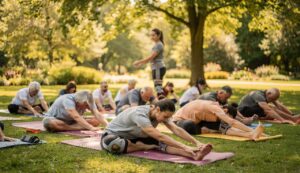

Staying physically active and strong well into your seventies is not only achievable but increasingly common among those who prioritise their health. Many individuals discover that their later years can be a time of renewed vitality and physical capability when they adopt the right fitness strategies. The key lies in understanding how the ageing body responds to exercise, nutrition, and lifestyle choices, then applying proven methods that deliver lasting results.
The benefits of physical activity after 70
Regular physical activity offers profound advantages for those over seventy, extending far beyond simple muscle maintenance. Engaging in consistent exercise helps combat age-related decline whilst promoting independence and quality of life.
Physical health improvements
Exercise after seventy directly addresses several physiological concerns that emerge with age. Bone density naturally decreases over time, increasing fracture risk, but weight-bearing activities stimulate bone formation and slow this process. Cardiovascular health also benefits significantly, as regular movement strengthens the heart, improves circulation, and helps manage blood pressure levels.
- reduced risk of chronic diseases including diabetes and heart disease
- improved balance and coordination, decreasing fall risk
- enhanced joint flexibility and reduced arthritis symptoms
- better immune system function
- maintained metabolic rate despite age-related slowdown
Mental and emotional advantages
The psychological benefits of staying active prove equally valuable. Physical activity releases endorphins that naturally elevate mood whilst reducing symptoms of depression and anxiety. Cognitive function also improves, with studies demonstrating that regular exercisers experience better memory retention and slower cognitive decline compared to sedentary peers.
Understanding these multifaceted benefits provides the foundation for creating an effective fitness approach, but success requires more than knowledge alone—it demands a structured plan tailored to individual capabilities.
Building a routine suited to your age
Creating an age-appropriate exercise routine requires careful consideration of physical limitations whilst maximising effectiveness. The goal is consistency rather than intensity, building gradually to avoid injury.
Starting safely and sustainably
Before beginning any new fitness programme, consulting with a healthcare provider ensures that chosen activities align with existing health conditions. Start with modest goals—perhaps ten minutes of activity daily—then gradually increase duration and intensity as strength builds. This approach prevents burnout and reduces injury risk.
| Activity type | Frequency | Duration |
|---|---|---|
| Strength training | 2-3 times weekly | 20-30 minutes |
| Cardiovascular exercise | 4-5 times weekly | 20-40 minutes |
| Flexibility work | Daily | 10-15 minutes |
| Balance exercises | 3-4 times weekly | 10-15 minutes |
Incorporating variety and rest
A well-rounded routine includes different exercise types throughout the week. Alternating between strength work, cardiovascular activities, and flexibility training prevents overuse injuries whilst keeping workouts engaging. Rest days are equally important, allowing muscles to recover and rebuild stronger than before.
However, exercise alone cannot deliver optimal results—what you consume plays an equally crucial role in maintaining strength and vitality.
The importance of nutrition and hydration
Proper nutrition becomes increasingly critical after seventy, as the body’s ability to absorb nutrients changes and metabolic needs shift. Fuelling your body correctly supports exercise efforts and promotes overall health.
Protein requirements for muscle maintenance
Adequate protein intake is essential for preserving and building muscle mass. Research suggests that individuals over seventy require approximately 1.0 to 1.2 grams of protein per kilogram of body weight daily—higher than younger adults. Distributing protein intake across meals maximises muscle protein synthesis.
- lean meats and poultry
- fish rich in omega-3 fatty acids
- eggs and dairy products
- legumes and pulses
- nuts and seeds
- protein supplements when dietary intake proves insufficient
Hydration and micronutrients
Thirst sensation diminishes with age, making conscious hydration essential. Aim for at least eight glasses of water daily, more during exercise or warm weather. Micronutrients including calcium, vitamin D, and B vitamins support bone health, energy production, and nervous system function. A varied diet rich in colourful vegetables, fruits, and whole grains typically provides these nutrients, though supplementation may be necessary.
With proper nutrition established, selecting the right types of physical activities becomes the next consideration for building lasting strength.
Choosing activities to strengthen muscles
Resistance training forms the cornerstone of any strength-building programme, but numerous approaches exist to suit different preferences and physical capabilities.
Resistance training options
Traditional weightlifting using dumbbells or resistance machines effectively builds muscle, but alternatives work equally well. Resistance bands provide variable tension that accommodates different strength levels whilst being gentle on joints. Bodyweight exercises such as modified press-ups, squats, and lunges require no equipment and can be performed anywhere.
Functional movement exercises
Functional exercises mimic daily activities, improving strength for real-world tasks. These movements enhance practical capability rather than isolated muscle groups.
- chair squats to improve sitting and standing ability
- wall press-ups for upper body strength
- step-ups to maintain stair-climbing capability
- carrying weighted bags to build grip strength
- reaching and stretching movements for everyday flexibility
Physical capability alone, however, cannot sustain long-term fitness success—mental approach proves equally vital.
The impact of mindset and motivation
Psychological factors often determine whether fitness efforts succeed or falter. Cultivating the right mental approach transforms exercise from a chore into a sustainable lifestyle.
Developing a positive perspective
Viewing exercise as an opportunity rather than an obligation fundamentally changes the experience. Focus on what your body can do rather than limitations, celebrating small victories along the way. This positive framing builds momentum and reinforces commitment.
Setting realistic goals
Establishing achievable targets provides direction without creating overwhelming pressure. Break larger objectives into smaller milestones—perhaps increasing walking distance by five minutes monthly or adding one additional resistance exercise every fortnight. Track progress through a simple journal or app, noting improvements in strength, endurance, or how you feel.
| Goal type | Example | Timeframe |
|---|---|---|
| Short-term | Complete three strength sessions weekly | 1 month |
| Medium-term | Increase walking distance by 25% | 3 months |
| Long-term | Maintain independent living capabilities | Ongoing |
Whilst personal determination matters greatly, external support often makes the difference between temporary effort and lasting change.
Surrounding yourself to succeed and progress
Building a supportive environment significantly increases the likelihood of maintaining fitness habits over time. Social connections and professional guidance both contribute to sustained success.
Finding community and accountability
Exercising with others provides motivation, accountability, and enjoyment. Consider joining age-appropriate fitness classes, walking groups, or swimming sessions where participants share similar goals. These social connections transform exercise into a pleasurable activity rather than solitary work.
- local senior fitness centres offering group classes
- walking or hiking clubs with varied ability levels
- online fitness communities providing virtual support
- exercise partners who share similar schedules
- family members who encourage and participate
Professional guidance and support
Working with qualified professionals ensures proper technique and programme design. Personal trainers specialising in older adults can create customised routines that address individual needs whilst preventing injury. Physiotherapists help manage existing conditions, adapting exercises to work around limitations rather than exacerbating problems.
Staying strong and active in your seventies and beyond is entirely achievable through consistent effort across multiple areas. Physical activity delivers extensive health benefits, from improved bone density to enhanced mental wellbeing. Building an age-appropriate routine that balances different exercise types with adequate rest creates sustainable progress. Proper nutrition, particularly adequate protein and hydration, fuels these efforts and supports muscle maintenance. Selecting appropriate strength-building activities ensures continued capability for daily tasks. Perhaps most importantly, cultivating the right mindset and surrounding yourself with supportive people transforms fitness from a temporary project into a lasting lifestyle. The combination of these elements enables not just survival but thriving in later years, proving that age need not dictate physical capability.