

The beauty industry stands at a pivotal moment as consumer expectations evolve and technology reshapes traditional practices. From laboratories pioneering molecular innovations to social platforms dictating aesthetic preferences, the landscape is transforming at an unprecedented pace. Brands must navigate shifting demographics, environmental concerns, and digital influences whilst maintaining authenticity and efficacy. Understanding these emerging patterns provides essential insight into what consumers will demand and how the market will respond.
New inclusive beauty standards
Representation across all dimensions
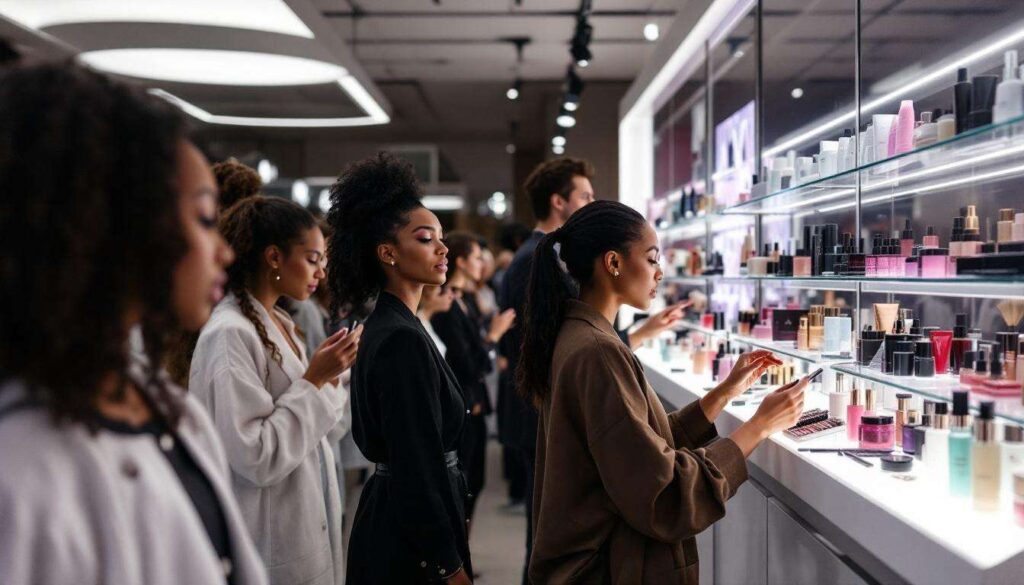
The beauty sector is witnessing a fundamental shift in representation that extends far beyond skin tone. Brands are recognising that true inclusivity encompasses age, gender identity, body type, ability, and cultural background. This evolution reflects a broader societal demand for authentic representation rather than tokenistic gestures. Major cosmetics houses are expanding shade ranges to accommodate undertones previously overlooked, whilst simultaneously featuring models who challenge conventional beauty norms.
This transformation manifests in several key areas:
- Foundation ranges now routinely offer 40 to 60 shades rather than the traditional 10 to 15
- Marketing campaigns feature models with visible disabilities, skin conditions, and diverse body types
- Gender-neutral product lines are becoming mainstream rather than niche offerings
- Age-diverse campaigns celebrate beauty across all life stages
Adaptive product development
Manufacturers are developing adaptive formulations that cater to previously underserved demographics. This includes products designed for conditions such as vitiligo, rosacea, and melasma, as well as cosmetics suitable for chemotherapy patients. The focus has shifted from concealing perceived imperfections to celebrating individual characteristics whilst providing options for those who choose enhancement.
| Category | Traditional Approach | Inclusive Approach |
|---|---|---|
| Shade Range | 15-20 options | 40-60 options |
| Marketing Models | Narrow demographic | Diverse representation |
| Product Design | One-size-fits-all | Adaptive formulations |
These evolving standards naturally intersect with the technological innovations transforming how products are formulated and delivered.
Advanced technologies in skincare
Artificial intelligence and personalisation
The integration of artificial intelligence into skincare represents a paradigm shift in how consumers approach their routines. AI-powered diagnostic tools analyse skin conditions through smartphone cameras, providing detailed assessments of hydration levels, pigmentation irregularities, and fine lines. These technologies enable precision recommendations that account for environmental factors, lifestyle habits, and genetic predispositions.
Leading brands are implementing AI across multiple touchpoints:
- Virtual consultations that rival in-person dermatological assessments
- Algorithm-driven product recommendations based on real-time skin analysis
- Predictive modelling that anticipates skin changes before they become visible
- Automated routine adjustments responding to seasonal and hormonal fluctuations
Biotechnology and synthetic biology
Laboratories are harnessing biotechnology to create ingredients that were previously impossible to produce sustainably. Synthetic biology allows scientists to replicate rare botanical compounds and animal-derived ingredients without environmental exploitation. This approach yields highly concentrated active ingredients with superior stability and efficacy compared to traditional extraction methods.
Smart delivery systems
Innovation extends beyond ingredient development to delivery mechanisms that maximise absorption and efficacy. Encapsulation technologies protect sensitive compounds from degradation whilst ensuring they penetrate to optimal skin depths. Microneedle patches, once confined to medical settings, are entering consumer markets for targeted treatment of specific concerns.
Whilst technology drives formulation advances, consumers simultaneously seek connections to traditional botanical wisdom.
Renaissance of natural ingredients
Rediscovery of traditional botanicals
The beauty industry is experiencing a renewed appreciation for ingredients rooted in traditional medicine systems. Ayurvedic herbs, Traditional Chinese Medicine botanicals, and indigenous plant remedies are receiving scientific validation through clinical studies. This convergence of ancestral knowledge and modern research creates products that honour cultural heritage whilst meeting contemporary efficacy standards.
Key botanical categories gaining prominence include:
- Adaptogenic herbs that help skin respond to environmental stressors
- Fermented ingredients with enhanced bioavailability and probiotic benefits
- Cold-pressed oils preserving the full spectrum of beneficial compounds
- Wildcrafted plants harvested from pristine ecosystems
Transparency and traceability
Consumers demand complete transparency regarding ingredient sourcing and processing methods. Brands respond with detailed supply chain documentation, including geographical origin, harvesting practices, and extraction techniques. This scrutiny extends to ethical considerations such as fair compensation for indigenous communities whose traditional knowledge informs product development.
| Consumer Priority | Brand Response | Verification Method |
|---|---|---|
| Ingredient Origin | Detailed sourcing maps | Blockchain tracking |
| Processing Methods | Manufacturing transparency | Third-party audits |
| Community Impact | Fair trade partnerships | Certification programmes |
Sustainable cultivation practices
The emphasis on natural ingredients drives investment in regenerative agriculture and sustainable harvesting. Brands establish their own farms or partner with growers committed to soil health, biodiversity, and carbon sequestration. This approach ensures ingredient quality whilst contributing to environmental restoration rather than degradation.
These ingredient philosophies find amplification through digital platforms that shape consumer preferences and purchasing decisions.
Growing influence of social media
Content creators as product developers
Social media personalities have evolved from brand ambassadors to active collaborators in product development. Influencers with substantial followings leverage their audiences to inform formulation decisions, packaging design, and marketing strategies. This shift creates products that reflect genuine consumer desires rather than corporate assumptions about market needs.
The influencer economy impacts beauty through:
- Direct-to-consumer launches bypassing traditional retail channels
- Real-time feedback loops allowing rapid product iteration
- Community-driven ingredient selection and formulation preferences
- Transparent development processes documented across social platforms
Short-form video dominance
Platforms prioritising brief video content have fundamentally altered how beauty information circulates. Tutorials condensed into 60-second segments reach audiences who might never engage with traditional beauty media. This format democratises expertise, allowing anyone to share techniques and product reviews with global reach.
Authenticity over perfection
Social media trends increasingly favour unfiltered content that showcases realistic results and application processes. Consumers gravitate towards creators who demonstrate products on unretouched skin, discuss failures alongside successes, and acknowledge sponsored content transparently. This authenticity builds trust and credibility that polished advertising campaigns struggle to achieve.
Digital influence extends into how consumers expect products to adapt to their individual characteristics and preferences.
Personalised and adaptive makeup
Custom-blended formulations
The concept of bespoke cosmetics has transitioned from luxury exclusivity to accessible reality. In-store kiosks and online platforms allow consumers to create foundation shades perfectly matched to their skin tone and undertone. Beyond colour matching, formulations adjust for skin type, climate, and desired finish, ensuring optimal performance across diverse conditions.
Personalisation extends across multiple product categories:
- Foundations blended to exact shade specifications with adjustable coverage levels
- Lipsticks formulated to complement individual lip chemistry and pH levels
- Concealers tailored to specific concerns such as dark circles or blemishes
- Primers designed to address unique texture and pore characteristics
Colour-changing technologies
Innovative formulations incorporate pH-responsive pigments that adapt to individual body chemistry. These products appear one colour in the container but transform upon application, creating shades unique to each wearer. This technology eliminates the guesswork from colour selection whilst ensuring flattering results regardless of skin tone.
Modular makeup systems
Brands are developing interchangeable component systems that allow consumers to build customised palettes from individual pans. This approach reduces waste by enabling replacement of depleted shades without discarding entire products. The modularity extends to magnetic packaging that accommodates evolving preferences and seasonal colour shifts.
| Personalisation Type | Technology Used | Consumer Benefit |
|---|---|---|
| Shade Matching | AI colour analysis | Perfect colour accuracy |
| Formula Adaptation | Climate sensors | Optimised performance |
| Reactive Pigments | pH-responsive chemistry | Unique personalised shades |
The beauty landscape continues its rapid evolution as these trends converge to create an industry that prioritises individual needs, technological innovation, and ethical responsibility. Brands that successfully integrate inclusive practices, advanced technologies, natural ingredients, social engagement, and personalisation will define the market. Consumer expectations have shifted irreversibly towards products that deliver both performance and values alignment, demanding that companies innovate not merely in formulation but in their entire operational philosophy.