

Fashion enthusiasts are already setting their sights on the upcoming season’s wardrobe essentials. As temperatures rise and nature awakens, the desire for fresh silhouettes and renewed styles becomes irresistible. The fashion industry has unveiled its predictions, showcasing an exciting blend of timeless elegance and contemporary innovation. From delicate hues to bold statement pieces, the dress collections promise to capture the essence of renewal and transformation. This season’s trends reflect a harmonious balance between comfort and sophistication, offering options for every occasion and personal style preference.
Pastel dresses: the softness of spring
The palette of gentle tones
Pastel shades dominate the upcoming season with an irresistible softness that perfectly captures the spirit of renewal. Designers have embraced a spectrum of delicate colours that evoke blooming gardens and clear skies. The most prominent hues include:
- Powder blue reminiscent of morning mist
- Blush pink that flatters all skin tones
- Mint green for a refreshing aesthetic
- Lavender that adds a romantic dimension
- Butter yellow for subtle warmth
Styling pastel pieces
These ethereal shades offer remarkable versatility in creating various looks. A pastel midi dress paired with white trainers delivers effortless daytime elegance, whilst the same piece transforms into evening wear when combined with metallic accessories and heeled sandals. The key lies in maintaining balance: pastel dresses work best when complemented with neutral accessories or a single contrasting element. Layering with denim jackets or lightweight cardigans extends their wearability across unpredictable weather conditions.
Beyond their aesthetic appeal, pastel dresses represent a psychological shift towards optimism and lightness. These colours naturally complement the season’s brighter days, creating a cohesive visual harmony between wardrobe and environment. Fashion houses have responded by incorporating various textures, from flowing chiffon to structured cotton, ensuring that pastel options suit diverse occasions and personal preferences. The trend’s enduring popularity stems from its ability to convey femininity without overwhelming the wearer’s natural features.
As colours set the foundation for seasonal style, the patterns adorning these garments deserve equal attention.
Floral prints: a spring classic
Contemporary interpretations of botanical motifs
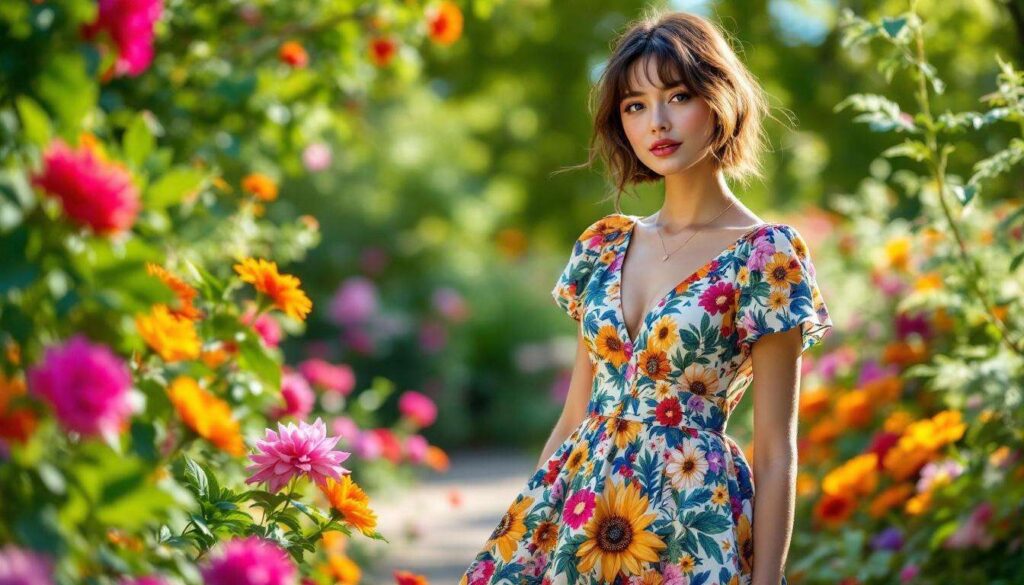
Floral patterns return with renewed vigour and creativity, moving beyond traditional small-scale prints. This season showcases oversized blooms, abstract botanical illustrations, and mixed floral compositions that create visual drama. Designers have reimagined classic motifs through modern lenses, incorporating unexpected colour combinations and artistic rendering techniques. The result is a collection of prints that feel both familiar and refreshingly innovative, appealing to those who appreciate tradition whilst seeking contemporary relevance.
Choosing the right floral dress
Selecting the appropriate floral print requires consideration of several factors. Scale matters significantly: petite frames benefit from smaller, delicate prints, whereas taller individuals can carry bold, oversized florals with confidence. The colour palette within the print should complement one’s complexion and existing wardrobe. Dark backgrounds with vibrant blooms offer versatility for multiple occasions, whilst light backgrounds with pastel flowers convey a softer, more romantic aesthetic.
| Print style | Best for | Occasion |
|---|---|---|
| Micro florals | Petite frames | Professional settings |
| Oversized blooms | Tall figures | Garden parties |
| Abstract florals | All body types | Creative events |
| Monochrome florals | Minimalists | Versatile wear |
The enduring appeal of floral dresses lies in their ability to instantly elevate mood and appearance. These prints connect wearers to nature’s beauty, creating an emotional resonance that transcends mere fashion. Whether attending outdoor celebrations or seeking to brighten urban environments, floral dresses serve as wearable expressions of joy and vitality. The trend’s evolution demonstrates fashion’s capacity to honour heritage whilst embracing innovation.
Whilst prints add visual interest, the structural elements of dress design create equally compelling statements.
Asymmetrical cuts: a modern touch
Architectural silhouettes redefining femininity
Asymmetry emerges as a defining characteristic of contemporary dress design, challenging conventional notions of balance and proportion. One-shoulder styles, uneven hemlines, and diagonal draping introduce dynamic movement and visual intrigue. These designs celebrate the body’s natural lines whilst creating unexpected focal points that draw the eye. Fashion-forward individuals appreciate how asymmetrical cuts transform simple fabrics into sculptural statements, demonstrating that innovation often lies in structural experimentation rather than embellishment.
Incorporating asymmetry into everyday wardrobes
Despite their avant-garde appearance, asymmetrical dresses integrate surprisingly well into practical wardrobes. The key involves pairing bold cuts with understated accessories to maintain balance. A dress with an asymmetrical neckline requires minimal jewellery, allowing the design itself to serve as the statement piece. Similarly, uneven hemlines work best with simple footwear that doesn’t compete for attention. These pieces transition seamlessly from daytime to evening when styled appropriately:
- Casual wear: combine with flat sandals and crossbody bags
- Office environments: add structured blazers and classic pumps
- Evening events: accessorise with delicate jewellery and clutches
- Weekend outings: pair with trainers and denim jackets
The popularity of asymmetrical designs reflects broader cultural shifts towards individuality and self-expression. These dresses appeal to those who view fashion as an art form rather than mere covering, offering opportunities to showcase personal style confidence. The trend demonstrates that modernity doesn’t require abandoning elegance; instead, it reimagines traditional concepts through contemporary perspectives.
From structured innovation, the pendulum swings towards relaxed, carefree aesthetics.
Bohemian dresses: the free spirit
Embracing relaxed silhouettes
Bohemian-inspired dresses capture the essence of unrestricted movement and artistic expression. Flowing fabrics, tiered constructions, and relaxed fits define this enduring trend. These garments prioritise comfort without sacrificing style, featuring details such as embroidered accents, crochet inserts, and tasselled trims. The bohemian aesthetic resonates with those seeking alternatives to rigid fashion rules, offering instead a philosophy of personal interpretation and creative freedom.
The versatility of boho style
Contrary to misconceptions, bohemian dresses extend beyond festival settings into everyday life. A neutral-toned maxi dress with subtle embroidery serves equally well for beach holidays, casual dinners, or weekend markets. Layering techniques enhance their adaptability: adding leather jackets introduces edge, whilst kimonos maintain the relaxed vibe. The beauty of this style lies in its forgiving nature, accommodating various body types whilst providing effortless elegance. Natural fabrics such as cotton, linen, and rayon ensure breathability during warmer months, making these dresses practical choices for extended wear.
Where bohemian style celebrates abundance and texture, another trend champions restraint and refinement.
Minimalist dresses: pure elegance
The power of simplicity
Minimalist design philosophy proves that less truly becomes more when executed with precision. Clean lines, monochromatic palettes, and absence of unnecessary embellishment characterise this sophisticated approach. These dresses rely on impeccable tailoring and quality fabrics to make their statement, demonstrating that elegance requires no elaborate decoration. The minimalist aesthetic appeals to those who appreciate timeless design over fleeting trends, investing in pieces that transcend seasonal fluctuations.
Building a minimalist dress collection
Creating a minimalist wardrobe demands careful consideration of colour, cut, and quality. Foundation pieces should include:
- A black midi dress with classic silhouette
- A white shirt dress for versatile styling
- A navy slip dress for evening occasions
- A beige structured dress for professional settings
These core items provide endless combination possibilities when paired with different accessories and outerwear. The investment approach proves economically sound over time, as quality minimalist pieces withstand years of wear whilst remaining stylistically relevant. Proper care and storage extend their lifespan, making them sustainable choices both environmentally and financially.
Speaking of sustainability, this consideration increasingly influences fashion choices beyond aesthetic preferences.
Sustainable materials: an ethical and trendy choice
The rise of conscious fashion
Environmental awareness has transformed from niche concern to mainstream priority within the fashion industry. Sustainable materials now feature prominently in dress collections, reflecting consumer demand for ethical production practices. Organic cotton, recycled polyester, Tencel, and innovative plant-based fabrics offer alternatives to conventional textiles. These materials reduce environmental impact whilst maintaining the quality and aesthetic appeal expected from contemporary fashion. Brands embracing sustainability demonstrate that ethical choices need not compromise style or desirability.
Identifying sustainable dress options
Navigating sustainable fashion requires understanding various certifications and material properties. Key indicators include:
| Material | Benefits | Considerations |
|---|---|---|
| Organic cotton | Pesticide-free, breathable | Requires significant water |
| Tencel | Biodegradable, soft texture | Higher cost point |
| Recycled polyester | Reduces waste, durable | Microplastic shedding |
| Hemp | Low water needs, strong | Limited styling options |
Beyond materials, sustainable fashion encompasses ethical labour practices, local production, and circular economy principles. Investing in fewer, higher-quality pieces reduces overall consumption whilst supporting responsible businesses. This approach aligns personal style with values, creating wardrobes that reflect both aesthetic preferences and ethical commitments. The growing availability of sustainable options proves that conscious consumption no longer requires sacrifice.
The upcoming season presents an exciting array of dress styles catering to diverse tastes and values. Pastel hues offer gentle sophistication, whilst floral prints celebrate nature’s beauty. Asymmetrical cuts provide modern edge, and bohemian designs embrace free-spirited comfort. Minimalist pieces deliver timeless elegance, and sustainable materials ensure ethical choices. These trends collectively demonstrate fashion’s evolution towards inclusivity, innovation, and responsibility, offering something meaningful for every wardrobe.