


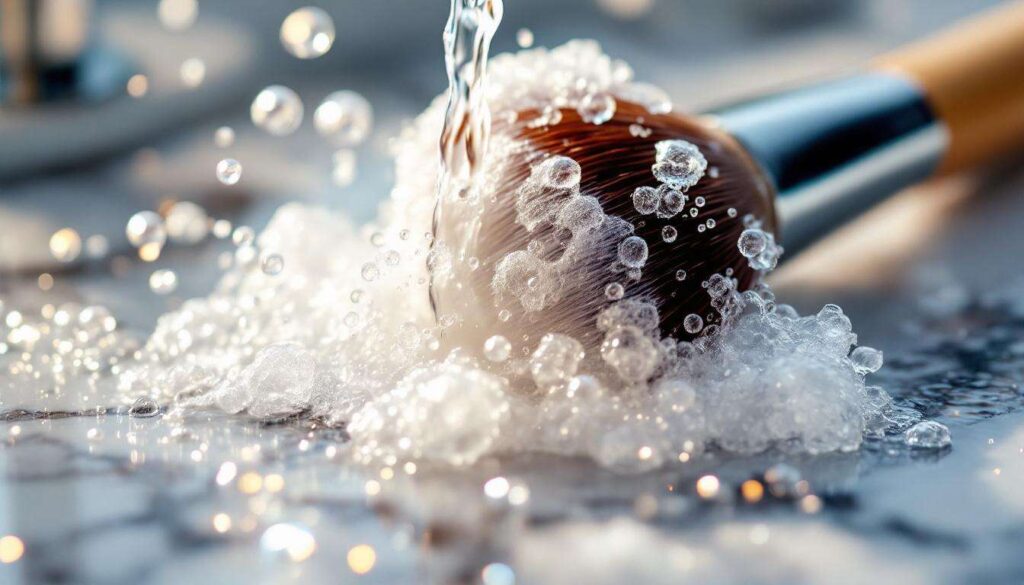
Hairbrushes accumulate residues from styling products, natural oils, and dust particles over time, creating a sticky film that diminishes their effectiveness. Professional hairstylists and beauty enthusiasts have long relied on a simple yet powerful combination to restore brushes to pristine condition: hot water paired with dish soap. This method efficiently breaks down stubborn hairspray buildup whilst remaining gentle on brush bristles and handles. Understanding the science behind this cleaning technique reveals why it outperforms many commercial brush cleaners.
Introduction to the efficacy of the hot water and dish soap duo
The fundamental chemistry of cleaning power
The combination of hot water and dish soap creates a synergistic cleaning effect that targets multiple types of residues simultaneously. Hot water alone raises the temperature of sticky substances, reducing their viscosity and making them easier to remove. When paired with dish soap, the cleaning power multiplies exponentially due to the soap’s molecular structure designed to break down grease and oil-based compounds.
Dish soap contains surfactants that lower the surface tension between water and oily substances. These molecules feature both hydrophilic (water-attracting) and hydrophobic (water-repelling) ends, allowing them to surround and lift away residues that water alone cannot dissolve. The heat from hot water accelerates this process by increasing molecular movement and weakening the bonds holding hairspray to brush bristles.
Temperature considerations for optimal results
The ideal water temperature for brush cleaning ranges between 45 and 60 degrees Celsius. This range provides sufficient heat to soften product buildup without damaging natural or synthetic bristles. Excessive heat can warp plastic handles or loosen glue securing bristles, whilst water that is too cool fails to activate the soap’s full cleaning potential.
| Water Temperature | Cleaning Effectiveness | Bristle Safety |
|---|---|---|
| Below 40°C | Moderate | Excellent |
| 45-60°C | Excellent | Excellent |
| Above 65°C | Very High | Poor |
This scientific foundation explains why countless beauty professionals recommend this method as their primary brush maintenance technique. The next consideration involves understanding precisely how this mixture interacts with hairspray molecules.
How the mixture acts on hairspray residues
Breaking down polymer structures
Hairspray contains synthetic polymers that form a flexible film on hair strands to maintain style throughout the day. These polymers, typically copolymers and terpolymers, create strong adhesive bonds that resist simple water rinsing. When hairspray settles on brush bristles, it hardens into a tacky coating that traps hair, dust, and additional product layers.
The hot water and dish soap combination attacks these polymer chains through multiple mechanisms. Heat disrupts the intermolecular forces holding the polymer film together, whilst surfactants penetrate between the polymer and bristle surface. This dual action weakens the adhesive bond, allowing the residue to separate from the brush material.
Emulsification of oily components
Many hairsprays contain conditioning agents and oils to prevent hair dryness. These lipophilic substances resist water-based cleaning methods. Dish soap excels at emulsifying these oils, creating tiny droplets suspended in water that rinse away cleanly. The process occurs as follows:
- Surfactant molecules surround oil droplets with their hydrophobic tails pointing inward
- Hydrophilic heads face outward, making the entire structure water-soluble
- Mechanical agitation disperses these micelles throughout the cleaning solution
- Rinsing carries away the suspended particles, leaving bristles clean
This emulsification process explains why dish soap proves more effective than shampoo or hand soap for brush cleaning, as it is specifically formulated to handle grease and sticky substances. Understanding the specific ingredients responsible for this cleaning power provides further insight.
The active ingredients that dissolve styling products
Surfactant types and their functions
Modern dish soaps contain a blend of anionic and non-ionic surfactants that work together to dissolve various residue types. Anionic surfactants, such as sodium lauryl sulphate, carry a negative charge that attracts positively charged dirt particles. Non-ionic surfactants lack electrical charge but excel at breaking down grease through their molecular structure alone.
These surfactants perform several critical functions during brush cleaning:
- Reducing surface tension to allow water penetration into product buildup
- Lifting residues away from bristle surfaces through mechanical action
- Preventing redeposition of dissolved particles back onto clean areas
- Creating foam that carries away suspended debris
Additional cleaning enhancers
Quality dish soaps also contain chelating agents that bind to mineral deposits from hard water, preventing them from interfering with the cleaning process. Enzymes in some formulations break down protein-based residues, though these are less relevant for hairspray removal. Glycerin and other humectants help maintain bristle flexibility during the cleaning process.
The concentration of these ingredients determines cleaning effectiveness. A solution containing approximately one tablespoon of dish soap per litre of hot water provides optimal cleaning power without excessive foam that hinders rinsing. With this knowledge of active ingredients, implementing the proper cleaning technique becomes straightforward.
Steps for optimal brush cleaning
Preparation and initial debris removal
Before introducing water and soap, remove loose hair and large debris from the brush. Use a comb or specialised brush cleaning tool to lift tangled hair from between bristles. This preliminary step prevents hair from forming dense clumps when wet, which would impede thorough cleaning.
Fill a basin or sink with hot water at the recommended temperature range. Add dish soap and swirl gently to distribute the surfactants evenly throughout the water. Avoid creating excessive foam, which can make rinsing more difficult and time-consuming.
The soaking and agitation process
Submerge the brush bristles in the prepared solution, keeping wooden handles or cushioned bases above water level when possible to prevent damage. Allow the brush to soak for 10 to 15 minutes, giving the hot water and soap time to penetrate and soften product buildup.
After soaking, use an old toothbrush or cleaning brush to scrub between bristles, working from the base outward. This mechanical agitation completes the cleaning process by physically dislodging loosened residues. Pay particular attention to the bristle base where product accumulation is heaviest.
Thorough rinsing and drying
Rinse the brush under running warm water until all soap residue disappears and the water runs clear. Squeeze bristles gently to expel trapped water and cleaning solution. Shake vigorously to remove excess moisture, then place the brush bristle-side down on a clean towel to air dry completely. This positioning prevents water from seeping into the handle or cushion base, which could cause mould growth or loosening of bristles.
These straightforward steps deliver professional-quality results without specialised equipment or expensive products. Comparing this method to alternatives highlights its practical advantages.
The benefits compared to traditional methods
Cost-effectiveness and accessibility
Commercial brush cleaners often cost between £5 and £15 per bottle, whereas dish soap costs approximately £2 for a bottle that cleans hundreds of brushes. This dramatic cost difference makes regular brush maintenance financially accessible to everyone, regardless of budget constraints. Hot water requires no additional expense beyond standard utility costs.
The ingredients are universally available in households, eliminating the need for special shopping trips or waiting for product deliveries. This accessibility encourages more frequent cleaning, which prevents heavy buildup and extends brush lifespan.
Environmental and health considerations
Many commercial brush cleaners contain harsh solvents, synthetic fragrances, and preservatives that raise environmental and health concerns. Dish soap, whilst still a chemical product, typically features biodegradable surfactants and undergoes rigorous safety testing for skin contact. The hot water and dish soap method produces minimal chemical waste compared to aerosol cleaners or solvent-based products.
Additionally, this method avoids exposing users to strong chemical fumes common with some commercial cleaners. The gentle nature of dish soap makes it suitable for individuals with sensitive skin or respiratory sensitivities.
Effectiveness across brush types
Unlike some commercial products designed for specific brush materials, the hot water and dish soap combination works effectively on:
- Natural boar bristle brushes
- Synthetic nylon or plastic bristles
- Mixed bristle types
- Paddle brushes, round brushes, and vent brushes
- Combs and styling tools
This versatility eliminates the need to purchase multiple cleaning products for different brush types, simplifying the maintenance routine whilst delivering consistent results. Establishing a regular cleaning schedule maximises these benefits.
Practical tips for regular brush maintenance
Establishing a cleaning schedule
Professional hairstylists recommend cleaning brushes every one to two weeks for daily users, whilst those who use minimal styling products may extend this to monthly cleaning. Individuals who apply hairspray or other styling products regularly should clean brushes weekly to prevent stubborn buildup that requires more aggressive cleaning methods.
Creating a consistent schedule prevents the overwhelming task of cleaning severely neglected brushes. Mark brush cleaning days on a calendar or set smartphone reminders to maintain regularity without relying on memory alone.
Quick maintenance between deep cleans
Between thorough cleanings, remove accumulated hair daily by running a comb through bristles or using fingers to pull away loose strands. This simple habit takes less than 30 seconds but significantly reduces the cleaning burden during scheduled deep cleans.
For light refreshing between full washes, create a spray solution of one part dish soap to ten parts warm water. Mist lightly onto bristles, work through with fingers, then wipe clean with a damp cloth. This quick method removes surface residues without full submersion.
Storage practices that reduce buildup
Proper storage extends the time between necessary cleanings. Store brushes bristle-side up in a holder or drawer to prevent contact with dusty surfaces. Avoid bathroom storage where humidity and aerosol products create conditions for faster residue accumulation. Keep brushes in a clean, dry location with good air circulation.
Using a protective cover or storing brushes in a drawer prevents airborne hairspray particles from settling on bristles between uses. These preventive measures complement regular cleaning to maintain optimal brush condition.
The hot water and dish soap method provides an effective, economical, and environmentally sensible approach to brush maintenance. By understanding the chemistry behind this cleaning technique and implementing proper procedures, anyone can achieve professional-quality results. Regular cleaning with this simple combination extends brush lifespan, improves styling effectiveness, and promotes better hair health. The accessibility of these common household items removes barriers to proper brush hygiene, making clean styling tools achievable for all.