


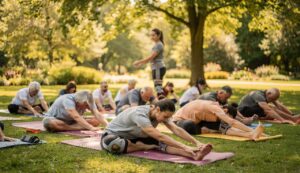

Maintaining physical strength and mobility becomes increasingly important as men age, particularly after the age of 55. The body naturally experiences a decline in muscle mass, bone density, and flexibility, but regular exercise can significantly slow these processes. A carefully designed daily routine focusing on specific movements can help preserve independence, reduce the risk of falls, and maintain overall quality of life. The following exercises represent a comprehensive approach to staying strong and healthy in later years.
Introduction to exercises for men over 55
Physical activity after 55 requires a strategic approach that addresses the unique challenges of ageing. Unlike younger men who might focus primarily on building muscle mass or athletic performance, men over 55 need to prioritise functional fitness that supports everyday activities. This means incorporating movements that improve strength, balance, flexibility, and cardiovascular health in equal measure.
Understanding age-related physical changes
The human body undergoes several significant transformations after 55 that directly impact physical capabilities. Muscle mass decreases at a rate of approximately 3-5% per decade after the age of 30, with this decline accelerating after 50. Additionally, bone density reduces, joints become less flexible, and the cardiovascular system requires more support to maintain efficiency. These changes make targeted exercise not just beneficial but essential for maintaining independence and preventing injury.
Benefits of daily exercise routines
Committing to daily physical activity offers numerous advantages for men over 55:
- Improved muscle strength and endurance
- Enhanced bone density, reducing osteoporosis risk
- Better balance and coordination, preventing falls
- Increased flexibility and range of motion
- Reduced risk of chronic diseases such as diabetes and heart disease
- Improved mental health and cognitive function
The key to success lies in consistency rather than intensity. Daily practice of moderate exercises yields far better results than sporadic intense workouts, which can lead to injury and burnout.
With these foundational principles established, the focus can now shift to specific exercises that target the body’s core stability.
Strengthening core muscles
The core muscles form the foundation of nearly every movement the body makes. For men over 55, a strong core is essential for maintaining posture, preventing back pain, and supporting balance during daily activities.
Plank variations for core stability
The plank exercise remains one of the most effective core strengtheners available. For men over 55, modified versions provide excellent benefits whilst reducing strain. Begin with a forearm plank held for 20-30 seconds, gradually increasing duration as strength improves. The exercise engages the abdominal muscles, lower back, and shoulders simultaneously. Those finding traditional planks challenging can start with wall planks or knee planks before progressing to full versions.
Seated torso rotations
This gentle yet effective exercise improves rotational strength and flexibility in the spine. Sitting upright in a chair with feet flat on the floor, hold a light weight or medicine ball at chest height. Rotate the torso slowly from side to side, keeping the hips stationary. This movement strengthens the oblique muscles whilst improving spinal mobility, which is crucial for activities like reaching for objects or looking over the shoulder whilst driving.
Bird dog exercise
The bird dog exercise combines core strengthening with balance training. Starting on hands and knees, extend one arm forward whilst simultaneously extending the opposite leg backward. Hold for 5-10 seconds before switching sides. This exercise develops coordination and stability whilst strengthening the entire posterior chain, from shoulders to lower back.
Whilst core strength provides the foundation, maintaining equilibrium requires specific attention to balance-focused movements.
Exercises to improve balance
Balance deterioration represents one of the most significant risk factors for falls in older men. Incorporating daily balance exercises can dramatically reduce this risk whilst improving confidence in movement.
Single-leg stands
This deceptively simple exercise offers profound benefits for balance and leg strength. Stand near a wall or sturdy chair for support if needed. Lift one foot off the ground and hold the position for 30 seconds, then switch legs. As balance improves, challenge yourself by closing your eyes or standing on an unstable surface like a cushion. This exercise strengthens the stabilising muscles in the ankles, knees, and hips.
Heel-to-toe walking
Also known as tandem walking, this exercise mimics tightrope walking. Place one foot directly in front of the other so the heel of the front foot touches the toes of the back foot. Walk forward in a straight line for 20 steps. This movement challenges the body’s proprioceptive system, which is responsible for spatial awareness and balance control.
Chair stands with balance hold
Combining strength and balance, this exercise involves standing up from a seated position and holding the standing position on one leg for several seconds before sitting back down. This functional movement directly translates to real-world activities and builds both muscular endurance and stability.
| Balance Exercise | Duration | Repetitions |
|---|---|---|
| Single-leg stands | 30 seconds each leg | 3 sets |
| Heel-to-toe walking | 20 steps | 3 rounds |
| Chair stands with hold | 5 seconds hold | 10 repetitions |
Balance work naturally complements flexibility training, which addresses another crucial aspect of physical fitness for older men.
Stretching for flexibility
Flexibility often receives less attention than strength or cardiovascular fitness, yet it plays a vital role in maintaining mobility and preventing injury. Regular stretching keeps muscles supple and joints mobile.
Hamstring stretches
Tight hamstrings contribute to lower back pain and restricted movement. A simple seated hamstring stretch involves sitting on the edge of a chair with one leg extended straight, heel on the floor. Lean forward from the hips, keeping the back straight, until a gentle stretch is felt along the back of the thigh. Hold for 30 seconds and repeat on both sides. This improves flexibility in the posterior chain and reduces strain on the lower back.
Shoulder and chest stretches
Many men over 55 develop rounded shoulders from years of desk work or general postural habits. Doorway stretches effectively open the chest and shoulders. Stand in a doorway with forearms against the frame, then step forward until a stretch is felt across the chest. Hold for 30 seconds. Additionally, clasping hands behind the back and gently lifting the arms stretches the anterior shoulder muscles.
Hip flexor stretches
Prolonged sitting tightens the hip flexors, which can lead to lower back discomfort and reduced mobility. The kneeling hip flexor stretch addresses this issue. Kneel on one knee with the other foot flat on the floor in front, forming a 90-degree angle. Gently push the hips forward whilst keeping the torso upright. This releases tension in the front of the hip and improves stride length during walking.
Flexible muscles work best when supported by strong legs, which form the basis for nearly all daily movements.
Leg strength training
Lower body strength determines the ability to perform essential activities like climbing stairs, getting up from chairs, and maintaining balance. Leg exercises should be a non-negotiable part of daily routines for men over 55.
Bodyweight squats
Squats remain the gold standard for leg strengthening. Stand with feet shoulder-width apart, lower the body as if sitting back into a chair, keeping knees aligned with toes. Return to standing. For those with knee concerns, partial squats or chair squats provide similar benefits with reduced joint stress. This movement strengthens the quadriceps, hamstrings, and glutes whilst improving functional mobility.
Calf raises
Strong calves support ankle stability and improve walking efficiency. Stand with feet hip-width apart, rise onto the balls of the feet, hold briefly, then lower back down. Performing this exercise near a wall or counter allows for light support if needed. Calf raises can be performed throughout the day, making them ideal for frequent practice.
Step-ups
Using a sturdy step or low platform, step up with one foot, bring the other foot up to join it, then step back down. This exercise mimics stair climbing and builds unilateral leg strength, ensuring both legs develop equally. Start with a low step and gradually increase height as strength improves.
Strong legs provide the foundation for movement, but cardiovascular health ensures the endurance to sustain that movement throughout the day.
Importance of daily cardio activity
Cardiovascular exercise strengthens the heart, improves circulation, and enhances overall endurance. For men over 55, daily cardio activity doesn’t require intense workouts; moderate, consistent effort produces excellent results.
Walking as fundamental cardio
Walking represents the most accessible and sustainable form of cardiovascular exercise. A brisk 30-minute walk elevates heart rate sufficiently to provide cardiovascular benefits whilst remaining gentle on joints. Walking outdoors offers additional benefits including vitamin D exposure and mental health improvements. Varying terrain or incorporating gentle hills increases intensity without requiring running or jogging.
Low-impact alternatives
For those with joint concerns, several low-impact options deliver cardiovascular benefits:
- Swimming or water aerobics, which eliminate joint stress whilst providing resistance
- Cycling, either outdoors or on a stationary bike
- Rowing machines, which combine cardio with upper body strengthening
- Elliptical trainers, offering a walking motion without impact
Monitoring intensity levels
Men over 55 should exercise at a moderate intensity, typically 50-70% of maximum heart rate. A simple gauge involves the talk test: during exercise, one should be able to hold a conversation but feel slightly breathless. This ensures adequate cardiovascular challenge without overexertion.
| Cardio Activity | Duration | Frequency |
|---|---|---|
| Brisk walking | 30 minutes | Daily |
| Swimming | 20-30 minutes | 3-5 times weekly |
| Cycling | 20-40 minutes | Daily or alternate days |
Establishing a daily exercise routine incorporating these five key areas creates a comprehensive fitness programme that addresses the specific needs of men over 55. Core strengthening provides the foundation for all movement, balance exercises prevent falls, flexibility work maintains range of motion, leg strength supports daily activities, and cardiovascular exercise ensures heart health and endurance. Together, these components form a sustainable approach to maintaining strength, independence, and vitality throughout the later decades of life. The commitment to daily practice, even in modest amounts, yields significant long-term benefits that far outweigh the time investment required.