



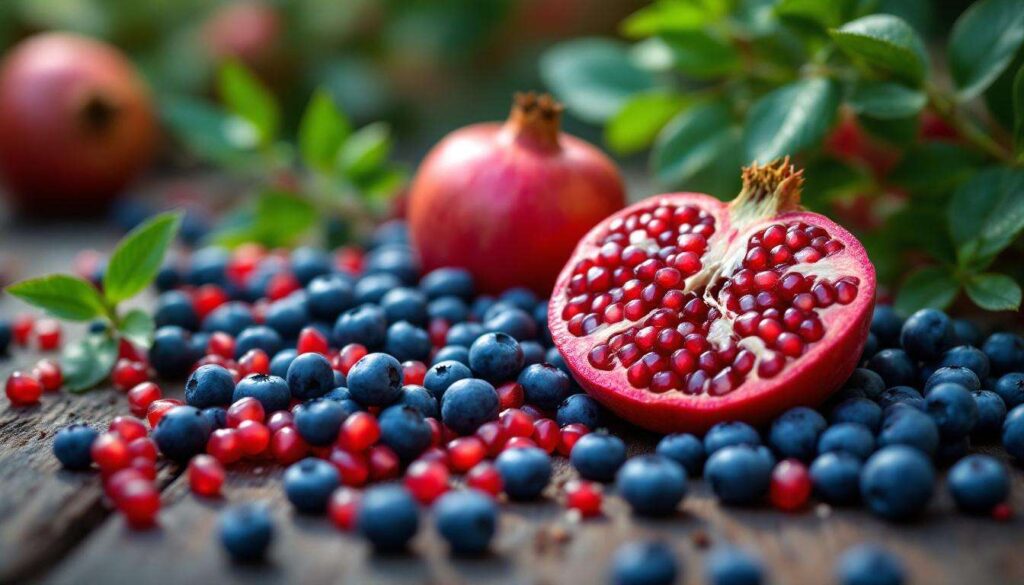
The quest for optimal heart health and robust antioxidant protection has led many health-conscious individuals to explore the world of superfruits. Among the most celebrated contenders are pomegranates and blueberries, both renowned for their impressive nutritional profiles and potential cardiovascular benefits. These vibrant fruits have garnered significant attention from researchers and nutritionists alike, prompting an important question: which of these nutritional powerhouses truly offers superior benefits for your heart and antioxidant needs ? Understanding the distinct advantages of each fruit can help you make informed dietary choices that align with your health objectives.
What Is a Superfruit ?
Defining the Superfruit Category
The term superfruit refers to fruits that contain exceptionally high concentrations of nutrients, antioxidants, and bioactive compounds that may provide significant health benefits. Whilst this designation lacks official scientific or regulatory definition, it has become widely used in nutritional circles to describe fruits with extraordinary nutritional density and potential therapeutic properties. Superfruits typically exhibit remarkable levels of vitamins, minerals, polyphenols, and other phytochemicals that contribute to disease prevention and overall wellbeing.
Key Characteristics of Superfruits
Several defining features distinguish superfruits from ordinary fruits:
- High antioxidant capacity: measured through ORAC (Oxygen Radical Absorbance Capacity) scores that indicate the ability to neutralise free radicals
- Rich phytochemical content: including flavonoids, anthocyanins, and polyphenols that provide anti-inflammatory properties
- Cardiovascular benefits: compounds that support heart health through various mechanisms
- Anti-ageing properties: nutrients that combat oxidative stress and cellular damage
- Immune system support: vitamins and minerals that enhance the body’s natural defences
Both pomegranates and blueberries meet these criteria comprehensively, making them worthy candidates for detailed comparison. Their unique compositions offer different pathways to achieving optimal health outcomes.
The Pomegranate: an Antioxidant Powerhouse
Nutritional Composition and Antioxidant Content
Pomegranates contain an exceptional array of antioxidant compounds, particularly punicalagins and ellagic acid, which are responsible for the fruit’s remarkable free radical-scavenging abilities. Research indicates that pomegranate juice possesses antioxidant activity three times higher than that of red wine or green tea. A single pomegranate provides approximately 234 calories, 7 grams of fibre, and substantial amounts of vitamin C, vitamin K, and folate.
Cardiovascular Protection Mechanisms
The cardiovascular benefits of pomegranates operate through multiple pathways:
- Reduction of oxidative stress in arterial walls, preventing LDL cholesterol oxidation
- Improvement of endothelial function, enhancing blood vessel flexibility and blood flow
- Lowering of systolic blood pressure in individuals with hypertension
- Inhibition of plaque formation in arteries through anti-inflammatory effects
- Reduction of arterial stiffness, a key marker of cardiovascular disease risk
Scientific Evidence Supporting Pomegranate Benefits
| Health Marker | Observed Effect | Study Duration |
|---|---|---|
| Systolic Blood Pressure | 12% reduction | 2 weeks |
| Arterial Plaque | 30% reduction | 1 year |
| LDL Oxidation | 90% decrease | 4 weeks |
These impressive findings demonstrate pomegranate’s potent effects on cardiovascular health markers. The fruit’s unique polyphenol profile sets it apart as a particularly effective option for those seeking heart protection.
The Heart Health Benefits of Blueberries
Anthocyanin Content and Cardiovascular Impact
Blueberries derive their distinctive colour from anthocyanins, powerful flavonoid compounds that provide substantial cardiovascular benefits. These berries contain over 15 different anthocyanin compounds, with malvidin and delphinidin being the most abundant. A single cup of blueberries delivers approximately 84 calories, 4 grams of fibre, and significant amounts of vitamin C, vitamin K, and manganese whilst maintaining a low glycaemic index.
Mechanisms of Heart Protection
Blueberries support cardiovascular health through several distinct mechanisms:
- Improved arterial function: enhancing nitric oxide production for better blood vessel dilation
- Reduced arterial stiffness: maintaining vascular elasticity and compliance
- Lower blood pressure: particularly beneficial for individuals with metabolic syndrome
- Decreased inflammation: reducing C-reactive protein and other inflammatory markers
- Enhanced insulin sensitivity: supporting metabolic health and reducing diabetes risk
Clinical Research Findings
Numerous clinical trials have documented blueberries’ cardiovascular benefits. Regular consumption of blueberries has been associated with a 15% reduction in cardiovascular disease risk amongst middle-aged adults. Studies have shown that consuming just one cup of blueberries daily can improve endothelial function within two hours, with sustained benefits observed over weeks of consistent intake. The berries’ ability to modulate blood pressure has proven particularly valuable for individuals with pre-hypertension or stage 1 hypertension.
Understanding these mechanisms provides context for comparing how blueberries stack up against pomegranates in terms of overall nutritional value.
Comparison of Nutritional Benefits
Antioxidant Capacity Comparison
| Fruit | ORAC Score (per 100g) | Primary Antioxidants |
|---|---|---|
| Pomegranate | 4,479 | Punicalagins, ellagic acid |
| Blueberries | 4,669 | Anthocyanins, pterostilbene |
Whilst both fruits demonstrate exceptional antioxidant capacity, their ORAC scores are remarkably similar, suggesting comparable free radical-scavenging abilities. However, the types of antioxidants differ significantly, offering complementary rather than identical benefits.
Vitamin and Mineral Content
The micronutrient profiles of these superfruits reveal distinct advantages:
- Vitamin C: pomegranates provide 30% of daily requirements per serving versus 24% in blueberries
- Vitamin K: blueberries offer superior vitamin K content, supporting bone health and blood clotting
- Folate: pomegranates contain significantly higher folate levels, beneficial for cellular function
- Manganese: blueberries excel in manganese content, supporting metabolism and antioxidant defences
- Fibre: pomegranates provide nearly double the fibre content per serving
Bioavailability and Absorption
The effectiveness of any nutrient depends not only on its presence but also on the body’s ability to absorb and utilise it. Pomegranate’s ellagitannins are metabolised by gut bacteria into urolithins, compounds with potent anti-inflammatory properties. Blueberry anthocyanins demonstrate rapid absorption, with measurable increases in plasma antioxidant capacity within one to two hours of consumption. Both fruits benefit from consumption with healthy fats, which enhance the absorption of fat-soluble compounds.
These nutritional differences become particularly relevant when examining their specific effects on cardiovascular health.
The Impact of Superfruits on Heart Health
Blood Pressure Regulation
Both pomegranates and blueberries have demonstrated significant blood pressure-lowering effects in clinical studies. Pomegranate juice consumption has been shown to reduce systolic blood pressure by an average of 5-12 mmHg, whilst blueberry intake can lower both systolic and diastolic pressure by 4-6 mmHg. These reductions, though seemingly modest, can translate to substantial decreases in cardiovascular event risk over time.
Cholesterol Management and Arterial Health
The impact on cholesterol profiles differs between these fruits:
- Pomegranates: primarily prevent LDL oxidation rather than lowering total cholesterol levels
- Blueberries: may modestly reduce LDL cholesterol whilst increasing HDL cholesterol
- Both fruits reduce triglyceride levels and improve overall lipid profiles
- Combined consumption may offer synergistic benefits for comprehensive lipid management
Long-term Cardiovascular Disease Prevention
Epidemiological studies suggest that regular consumption of either fruit correlates with reduced cardiovascular disease incidence. The anti-inflammatory properties of both pomegranates and blueberries address underlying mechanisms of atherosclerosis, offering protective effects beyond simple symptom management. Their ability to improve vascular function and reduce oxidative stress contributes to long-term heart health preservation.
Understanding these health impacts naturally leads to practical considerations about incorporating these superfruits into daily eating patterns.
How to Incorporate These Fruits into Your Diet
Practical Serving Recommendations
Maximising the benefits of pomegranates and blueberries requires consistent, appropriate consumption:
- Blueberries: aim for 1-2 cups daily, fresh or frozen, as freezing preserves antioxidant content
- Pomegranates: consume half to one whole fruit daily, or 250ml of pure pomegranate juice
- Distribute intake throughout the day for sustained antioxidant protection
- Choose whole fruits over juices when possible to maximise fibre intake
- Combine both fruits for complementary antioxidant profiles
Creative Incorporation Methods
Integrating these superfruits into your diet need not be monotonous. Add blueberries to morning porridge, yoghurt, or smoothies for an antioxidant-rich breakfast. Sprinkle pomegranate arils over salads, grain bowls, or roasted vegetables for a burst of flavour and nutrition. Both fruits work exceptionally well in homemade trail mixes, providing natural sweetness without added sugars. Consider freezing blueberries for convenient year-round access and using pomegranate juice as a base for heart-healthy marinades or salad dressings.
Both pomegranates and blueberries offer exceptional cardiovascular benefits and antioxidant protection, making the choice between them less about superiority and more about personal preference and specific health goals. Pomegranates excel in preventing LDL oxidation and reducing arterial plaque, whilst blueberries demonstrate particular strength in improving endothelial function and insulin sensitivity. Their similar ORAC scores but different antioxidant profiles suggest that incorporating both fruits into your diet may provide the most comprehensive heart health benefits. Rather than choosing one over the other, consider these superfruits as complementary components of a heart-healthy dietary pattern that supports long-term cardiovascular wellness.