



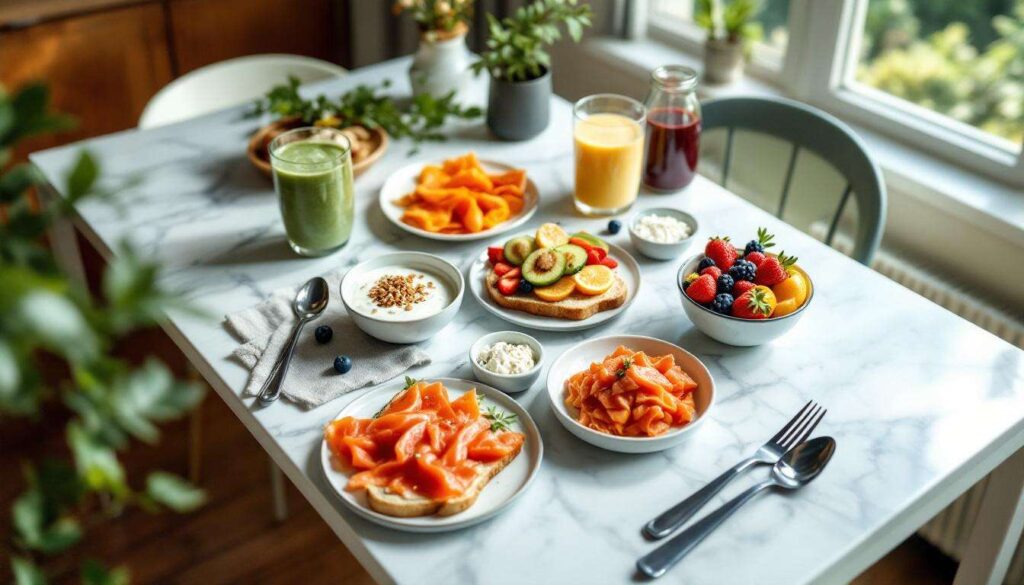
Starting the day with a high-protein breakfast can significantly support weight loss goals by promoting satiety, reducing cravings throughout the morning, and helping maintain lean muscle mass during calorie restriction. Whilst eggs remain a popular choice for protein-packed morning meals, many people seek variety due to dietary preferences, allergies, or simply breakfast fatigue. Fortunately, numerous delicious alternatives deliver substantial protein content without relying on eggs, offering both nutritional benefits and culinary diversity to transform your morning routine into a weight loss advantage.
Protein breakfast alternatives
Understanding protein requirements for breakfast
Nutrition experts generally recommend consuming between 20 to 30 grams of protein at breakfast to maximise metabolic benefits and appetite control. This amount triggers satiety hormones whilst providing essential amino acids needed for muscle preservation during weight loss. Research demonstrates that high-protein breakfasts reduce subsequent calorie intake throughout the day by approximately 135 calories compared to lower-protein alternatives.
Benefits beyond weight loss
High-protein breakfasts offer advantages extending well beyond the scales:
- Enhanced cognitive function and concentration during morning hours
- Stabilised blood sugar levels preventing energy crashes
- Improved muscle recovery for those incorporating morning exercise
- Reduced likelihood of unhealthy mid-morning snacking
- Better long-term adherence to dietary plans due to increased satisfaction
Diverse protein sources for breakfast
Protein-rich morning meals can incorporate various food groups including dairy products, legumes, nuts, seeds, fish, poultry, and plant-based alternatives. Each source provides unique nutritional profiles with varying amino acid compositions, vitamins, and minerals that contribute to overall health whilst supporting weight management objectives.
| Protein source | Protein per 100g | Additional benefits |
|---|---|---|
| Greek yoghurt | 10g | Probiotics, calcium |
| Cottage cheese | 11g | Casein protein, low calorie |
| Smoked salmon | 25g | Omega-3 fatty acids |
| Quinoa | 4g | Complete protein, fibre |
| Almonds | 21g | Vitamin E, healthy fats |
With these foundational principles established, exploring specific breakfast preparations reveals how easily protein can be incorporated into appetising morning meals.
Fruit protein smoothie
Building a balanced protein smoothie
Protein smoothies offer convenience and versatility whilst delivering substantial nutritional value. The foundation combines protein powder with fruits and liquid, creating a portable meal requiring minimal preparation time. A well-constructed smoothie should contain approximately 25-30 grams of protein alongside fibre-rich fruits and healthy fats for sustained energy release.
Essential smoothie components
Creating an effective protein smoothie requires balancing several key elements:
- Protein base: whey, pea, hemp, or brown rice protein powder (20-25g protein)
- Liquid foundation: unsweetened almond milk, coconut water, or skimmed milk
- Fruit content: berries, banana, mango, or pineapple for natural sweetness
- Healthy fats: avocado, nut butter, or chia seeds for satiety
- Fibre boosters: spinach, kale, or oats for digestive health
Recipe variations for different preferences
A berry blast smoothie combines 30g vanilla protein powder, 150ml almond milk, 100g mixed berries, one tablespoon almond butter, and a handful of spinach, delivering approximately 28g protein and 320 calories. Alternatively, a tropical green smoothie blends 30g protein powder with coconut water, mango chunks, half a banana, and kale for a refreshing morning option with similar protein content but increased vitamin C.
These liquid breakfast options naturally lead to exploring more substantial grain-based alternatives that provide different textural experiences.
Quinoa porridge with almond milk
Quinoa as a protein-rich grain alternative
Quinoa stands apart from traditional breakfast grains by offering complete protein containing all nine essential amino acids. When prepared as porridge, this ancient grain provides a warming, satisfying alternative to oatmeal with superior protein content. One cup of cooked quinoa delivers approximately 8g protein, which can be enhanced through strategic additions.
Preparing perfect quinoa porridge
Creating creamy quinoa porridge requires rinsing quinoa thoroughly before cooking to remove bitter saponins. Combine one part quinoa with three parts unsweetened almond milk, simmering gently for 15-20 minutes until liquid absorbs and grains become tender. The cooking process differs from traditional porridge preparation, requiring slightly longer cooking times but minimal stirring.
Protein-boosting toppings and additions
Transform basic quinoa porridge into a protein powerhouse through strategic toppings:
- Two tablespoons of almond butter (adding 7g protein)
- 30g protein powder stirred into warm porridge (adding 20-25g protein)
- Greek yoghurt dollop (adding 10g protein per 100g)
- Chopped nuts and seeds (adding 3-5g protein per tablespoon)
- Hemp hearts providing 10g protein per three tablespoons
A fully loaded quinoa porridge bowl can easily provide 30-35g protein whilst remaining under 400 calories, making it exceptionally effective for weight loss goals. Moving from grains to baked goods reveals another satisfying breakfast category.
Banana and nut protein bread
Homemade protein bread advantages
Protein-enriched banana bread offers the comfort of traditional baking whilst supporting weight loss objectives. Unlike commercial varieties laden with refined sugars and flour, homemade versions incorporate protein powder, nut flours, and Greek yoghurt to dramatically increase protein content whilst reducing overall carbohydrates and calories.
Key ingredients for protein bread
A successful protein banana bread recipe typically includes:
| Ingredient | Quantity | Protein contribution |
|---|---|---|
| Mashed ripe bananas | 3 medium | 3g |
| Vanilla protein powder | 60g | 45-50g |
| Almond flour | 100g | 20g |
| Greek yoghurt | 150g | 15g |
| Chopped walnuts | 50g | 8g |
Preparation and serving suggestions
Combine wet ingredients before folding in dry components, avoiding overmixing which can create dense texture. Bake at 180°C for 45-50 minutes until a skewer emerges clean. Each slice (approximately one-tenth of the loaf) provides 8-10g protein, making two slices a substantial breakfast delivering 16-20g protein. Serve with additional nut butter or cottage cheese to reach optimal protein targets.
From baked goods, attention turns to dairy-based options that require no cooking whatsoever.
Greek yoghurt topped with superfoods
Greek yoghurt’s protein superiority
Greek yoghurt contains approximately twice the protein of regular yoghurt due to straining processes that remove liquid whey. A 200g serving provides 18-20g protein alongside beneficial probiotics supporting digestive health. Opting for full-fat varieties increases satiety through healthy fats whilst maintaining relatively low calorie counts compared to many breakfast alternatives.
Superfood toppings for enhanced nutrition
Transform plain Greek yoghurt into a nutritionally dense breakfast through strategic superfood additions:
- Chia seeds: provide 5g protein per two tablespoons plus omega-3 fatty acids
- Hemp hearts: deliver 10g protein per three tablespoons with complete amino acid profile
- Goji berries: add antioxidants alongside 4g protein per 30g serving
- Cacao nibs: offer magnesium and iron with subtle protein contribution
- Pumpkin seeds: contribute 9g protein per 30g serving plus zinc
Creating balanced yoghurt bowls
A complete yoghurt breakfast bowl layers 200g Greek yoghurt with two tablespoons mixed seeds, a handful of berries, one tablespoon nut butter, and a sprinkle of cinnamon. This combination delivers approximately 30-35g protein, healthy fats for hormone production, and antioxidants supporting overall health whilst remaining under 400 calories—ideal for weight loss without sacrificing satisfaction.
Building upon dairy foundations, incorporating quality proteins from fish creates sophisticated breakfast options.
Avocado and smoked salmon toasts
Smoked salmon as breakfast protein
Smoked salmon provides exceptional protein density with 25g protein per 100g serving alongside omega-3 fatty acids supporting cardiovascular health and reducing inflammation. Unlike many breakfast proteins requiring cooking, smoked salmon offers convenience whilst delivering restaurant-quality flavour profiles that elevate morning meals beyond ordinary fare.
Choosing appropriate bread bases
Selecting the right foundation maximises nutritional value whilst supporting weight loss:
- Protein bread: commercially available varieties offering 6-8g protein per slice
- Sourdough: traditional fermentation improves digestibility and glycaemic response
- Rye bread: provides higher fibre content promoting sustained fullness
- Seeded varieties: add texture alongside additional protein and healthy fats
Assembly and nutritional enhancement
Mash half an avocado with lemon juice and black pepper before spreading across toasted bread. Layer 60-80g smoked salmon atop the avocado base, then garnish with capers, red onion slices, and fresh dill. This combination delivers approximately 22-28g protein depending on bread choice, alongside monounsaturated fats from avocado supporting nutrient absorption and hormonal balance. Adding a side of cottage cheese or Greek yoghurt easily pushes protein content beyond 30g whilst maintaining calorie counts appropriate for weight loss objectives.
High-protein breakfasts without eggs offer remarkable variety, ensuring sustainable adherence to weight loss plans through culinary diversity. From convenient smoothies to warming porridges, satisfying baked goods to elegant salmon toasts, these alternatives provide substantial protein whilst delivering unique nutritional benefits and flavour experiences. Incorporating rotation among these options prevents breakfast monotony whilst consistently supporting metabolic health, appetite control, and body composition goals throughout your weight loss journey.