



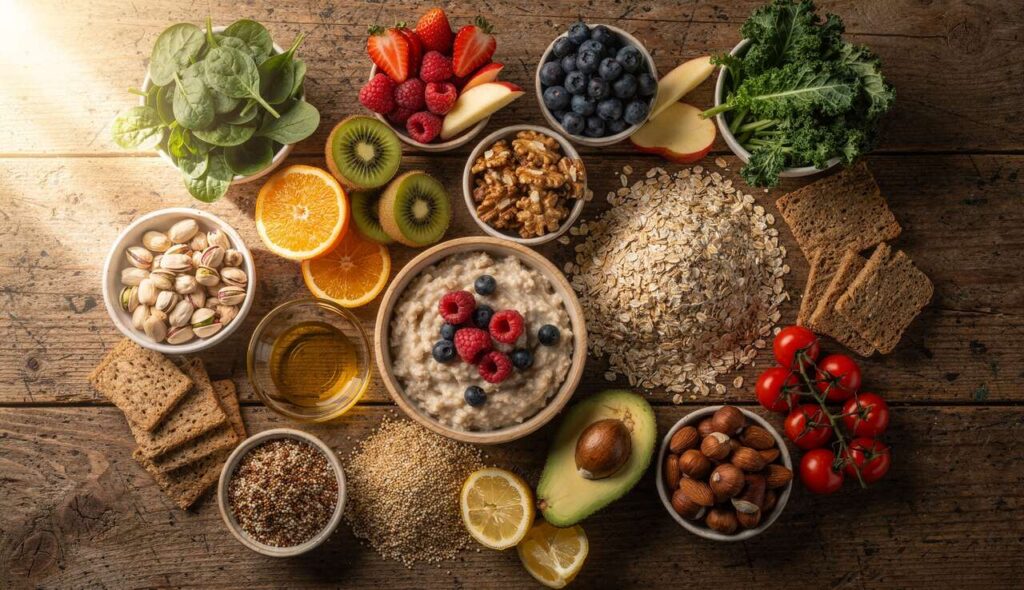
Scientists have long emphasised the importance of diet in maintaining cardiovascular health, yet recent research reveals that everyday foods possess far more protective properties than previously understood. From humble vegetables to staple pantry items, these common ingredients contain compounds that actively shield the heart from disease. The growing body of evidence demonstrates that simple dietary adjustments can yield remarkable results in reducing cardiovascular risk, offering accessible solutions for millions seeking to improve their heart health without relying solely on pharmaceutical interventions.
Introduction to Daily Heart Benefits
The relationship between nutrition and cardiovascular wellness extends beyond basic calorie counting or fat reduction. Modern research illuminates how specific nutrients interact with our biological systems to reduce inflammation, improve blood vessel function, and regulate cholesterol levels. Understanding these mechanisms empowers individuals to make informed choices that support long-term heart health.
How Food Protects the Cardiovascular System
The protective effects of heart-healthy foods operate through multiple pathways. Bioactive compounds found in plant-based foods work to neutralise harmful free radicals that damage arterial walls, whilst others help regulate blood pressure by improving the flexibility of blood vessels. Some nutrients directly influence cholesterol metabolism, reducing the accumulation of dangerous plaques in arteries.
- Reduction of systemic inflammation throughout the body
- Improvement in endothelial function, the inner lining of blood vessels
- Regulation of blood lipid profiles, including LDL and HDL cholesterol
- Prevention of oxidative stress that damages cardiovascular tissues
- Support for healthy blood pressure maintenance
Regular consumption of protective foods creates cumulative benefits that become more pronounced over time. Unlike medications that often target single pathways, whole foods provide a complex matrix of nutrients working synergistically to support heart health from multiple angles.
This multifaceted approach to cardiovascular protection naturally leads to examining which specific foods deliver the most significant benefits.
Key Foods for Better Heart Health
Certain foods have emerged as particularly powerful allies in the fight against heart disease. These nutritional champions share common characteristics: they are rich in beneficial compounds, minimally processed, and readily available in most markets.
Fatty Fish and Omega-3 Sources
Oily fish such as salmon, mackerel, and sardines contain high concentrations of omega-3 fatty acids, particularly EPA and DHA. These essential fats reduce triglyceride levels and decrease the risk of irregular heartbeats. Research indicates that consuming fatty fish twice weekly can lower cardiovascular mortality by up to 36 per cent.
Berries and Their Protective Compounds
Strawberries, blueberries, and blackberries deliver powerful anthocyanins and flavonoids. These compounds improve arterial function and reduce blood pressure. Studies show that regular berry consumption correlates with reduced heart attack risk, particularly in women.
Nuts and Seeds: compact Nutritional Powerhouses
Almonds, walnuts, and flaxseeds provide healthy fats, plant sterols, and L-arginine. A handful of nuts daily has been associated with lower cholesterol levels and improved blood vessel health.
| Food Category | Key Nutrients | Primary Benefit |
|---|---|---|
| Fatty Fish | Omega-3 fatty acids | Reduces triglycerides and inflammation |
| Berries | Anthocyanins, flavonoids | Improves arterial function |
| Nuts | Monounsaturated fats, plant sterols | Lowers LDL cholesterol |
| Leafy Greens | Nitrates, vitamin K | Reduces blood pressure |
Beyond these individual foods, one nutrient category deserves particular attention for its widespread cardiovascular benefits.
The Impact of Dietary Fibre on the Heart
Dietary fibre represents one of the most underappreciated components of heart-healthy nutrition. Found abundantly in whole grains, legumes, vegetables, and fruits, fibre exerts profound effects on multiple cardiovascular risk factors.
Soluble versus Insoluble Fibre
Soluble fibre dissolves in water to form a gel-like substance in the digestive tract. This type of fibre binds to cholesterol particles and removes them from the body before they enter the bloodstream. Oats, barley, beans, and apples provide excellent sources of soluble fibre.
Insoluble fibre, whilst not directly affecting cholesterol, supports overall digestive health and helps maintain healthy body weight, indirectly benefiting cardiovascular wellness.
Mechanisms of Cardiovascular Protection
Fibre reduces heart disease risk through several mechanisms:
- Lowering LDL cholesterol by interfering with bile acid reabsorption
- Slowing glucose absorption, preventing blood sugar spikes
- Promoting beneficial gut bacteria that produce heart-protective compounds
- Increasing satiety, supporting healthy weight management
- Reducing systemic inflammation markers
Research demonstrates that each 10-gram increase in daily fibre intake correlates with a 10 per cent reduction in coronary heart disease risk. Despite these benefits, most people consume less than half the recommended 30 grams daily.
Whilst fibre works internally to improve cardiovascular markers, another group of compounds fights damage at the cellular level.
Antioxidants: artery Allies
Antioxidants neutralise free radicals, unstable molecules that damage cells and contribute to atherosclerosis. These protective compounds are abundant in colourful fruits and vegetables, offering a delicious approach to cardiovascular protection.
Vitamin E and Selenium
Vitamin E protects cell membranes from oxidative damage, whilst selenium supports antioxidant enzyme systems. Nuts, seeds, and whole grains provide rich sources of both nutrients. Studies suggest that adequate vitamin E intake may reduce heart disease risk, though supplementation has shown mixed results compared to food sources.
Polyphenols in Tea and Dark Chocolate
Green tea contains catechins, whilst dark chocolate provides flavanols. Both compound classes improve endothelial function and reduce blood pressure. Regular consumption of green tea has been linked to lower cardiovascular mortality, with optimal benefits appearing at three to five cups daily.
Vitamin C: beyond Immune Support
Citrus fruits, peppers, and leafy greens deliver vitamin C, which supports collagen formation in blood vessel walls and enhances the function of other antioxidants. Adequate vitamin C intake correlates with reduced stroke risk and improved arterial health.
| Antioxidant | Food Sources | Cardiovascular Effect |
|---|---|---|
| Vitamin E | Almonds, sunflower seeds, spinach | Protects LDL from oxidation |
| Polyphenols | Tea, dark chocolate, berries | Improves blood vessel function |
| Vitamin C | Citrus, peppers, kiwi | Strengthens arterial walls |
| Carotenoids | Carrots, tomatoes, sweet potatoes | Reduces inflammation |
Among all heart-protective foods, one stands out for its exceptional versatility and proven benefits.
Olive Oil: a Treasure for the Heart
Extra virgin olive oil has earned its reputation as a cornerstone of heart-healthy eating, supported by decades of research into Mediterranean dietary patterns. This golden liquid delivers benefits that extend far beyond its pleasant flavour.
Monounsaturated Fats and Beyond
Olive oil’s primary fat, oleic acid, reduces LDL cholesterol whilst maintaining or even increasing beneficial HDL cholesterol. This favourable lipid profile translates to reduced cardiovascular risk. Beyond its fatty acid composition, extra virgin olive oil contains over 30 phenolic compounds with anti-inflammatory and antioxidant properties.
Evidence from Population Studies
The PREDIMED trial, one of the largest dietary intervention studies, demonstrated that a Mediterranean diet supplemented with extra virgin olive oil reduced cardiovascular events by 30 per cent compared to a low-fat diet. Participants consuming approximately four tablespoons daily experienced the most significant benefits.
- Reduction in blood pressure, particularly systolic readings
- Improved endothelial function and arterial flexibility
- Decreased platelet aggregation, reducing clot formation risk
- Anti-inflammatory effects throughout the cardiovascular system
- Protection against oxidative stress in blood vessels
Quality matters significantly: extra virgin olive oil retains the highest levels of beneficial compounds, whilst refined versions lose much of their protective potential during processing.
These established benefits continue to be reinforced and expanded by ongoing scientific investigation.
Recent Studies and Major Discoveries
Contemporary research continues to unveil new dimensions of food-based cardiovascular protection. Recent studies have identified previously unknown mechanisms and quantified benefits with greater precision.
Gut Microbiome Connections
Emerging evidence reveals that heart-healthy foods influence cardiovascular wellness partly through their effects on gut bacteria. Beneficial microbes convert dietary fibre into short-chain fatty acids that reduce inflammation and improve metabolic health. This discovery explains why whole food sources often outperform isolated supplements.
Timing and Combination Effects
New research suggests that when we eat may matter alongside what we eat. Studies indicate that consuming nuts before meals improves post-meal blood sugar and lipid responses. Combining foods strategically enhances their individual benefits: pairing tomatoes with olive oil increases lycopene absorption, whilst vitamin C-rich foods boost iron uptake from plant sources.
Quantified Risk Reductions
Recent meta-analyses provide compelling statistics:
- Daily nut consumption reduces coronary heart disease risk by 28 per cent
- Each daily serving of whole grains lowers cardiovascular mortality by 9 per cent
- Regular legume consumption decreases heart disease risk by 10 per cent
- Adequate fruit and vegetable intake prevents approximately 1.7 million deaths annually worldwide
These findings underscore that dietary modifications represent powerful, accessible interventions for cardiovascular health.
The accumulating evidence presents a clear picture: common, affordable foods possess remarkable capacity to protect and enhance heart health. From fibre-rich whole grains to antioxidant-packed berries, from omega-3-laden fish to polyphenol-rich olive oil, everyday dietary choices profoundly influence cardiovascular outcomes. The mechanisms underlying these benefits continue to be elucidated, revealing complex interactions between nutrients, gut microbiota, and cardiovascular systems. Rather than seeking exotic superfoods, individuals can significantly reduce their heart disease risk by incorporating these well-researched, accessible foods into daily eating patterns. The scientific consensus remains unequivocal: a diet rich in whole plant foods, healthy fats, and lean proteins represents one of the most effective strategies for maintaining cardiovascular wellness throughout life.