
Skin hydration remains one of the most sought-after goals in facial care, yet many commercial masks contain synthetic ingredients that can irritate sensitive skin or deliver disappointing results. Beauty professionals have long relied on a simple yet remarkably effective homemade recipe that outperforms many high-street alternatives. This professional formula combines natural ingredients readily available in most kitchens, offering deep moisturisation without the hefty price tag or questionable additives found in commercial products.
The benefits of homemade masks for the skin
Superior ingredient quality and freshness
Homemade facial masks offer unparalleled freshness that commercial products simply cannot match. When preparing a mask yourself, the ingredients retain their full potency, as vitamins and active compounds haven’t degraded through prolonged storage or exposure to preservatives. Beauty therapists emphasise that freshly prepared formulations deliver nutrients to the skin in their most bioavailable form, maximising absorption and effectiveness.
Cost-effectiveness without compromising results
The financial advantages of homemade masks are substantial. A single jar of premium commercial moisturising mask can cost upwards of £40, whilst the ingredients for a beautician-approved recipe typically cost less than £10 and provide multiple applications. This economic benefit doesn’t mean sacrificing quality; rather, it represents intelligent skincare investment that redirects funds from marketing and packaging towards actual nourishing ingredients.
Customisation for individual skin needs
Professional aestheticians appreciate homemade formulations for their adaptability. Different skin types require specific approaches:
- Dry skin benefits from increased oil content
- Oily skin requires lighter, clay-based formulations
- Sensitive skin needs gentle, hypoallergenic ingredients
- Mature skin responds well to antioxidant-rich additions
Understanding these fundamental principles allows you to create the perfect moisturising solution tailored precisely to your skin’s unique requirements, something impossible with mass-produced alternatives.
Essential ingredients for optimal hydration
The core moisturising base
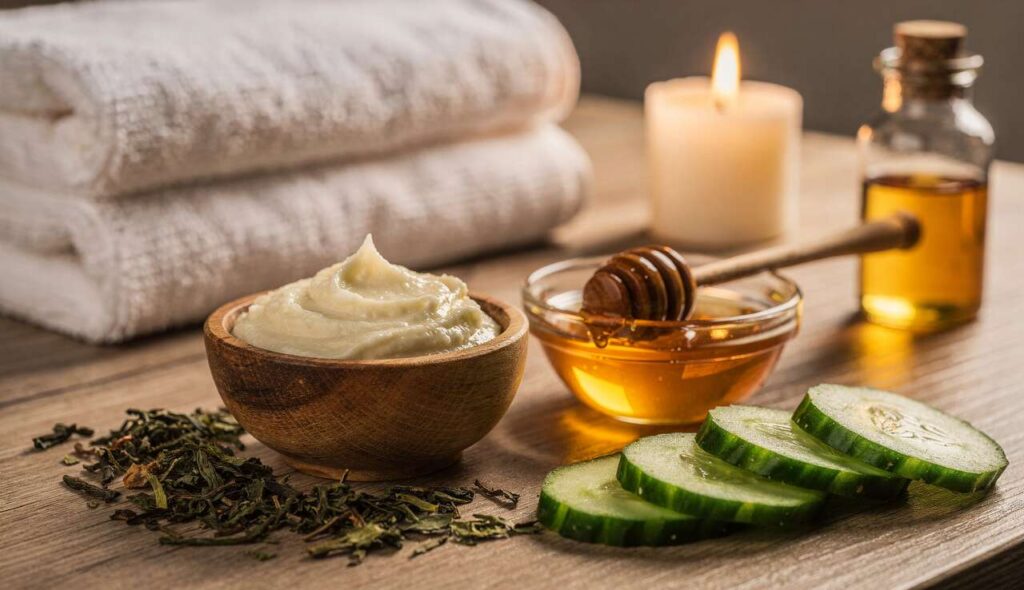
The beautician’s secret recipe centres on avocado and honey as primary ingredients. Avocado contains essential fatty acids and vitamins E and C, which penetrate deeply to restore the skin’s moisture barrier. Honey acts as a natural humectant, drawing moisture from the environment into the skin whilst providing antibacterial properties. Professional therapists recommend using raw, organic honey whenever possible, as processing can diminish its beneficial enzymes.
Enhancing ingredients for maximum effectiveness
To elevate the basic formula to professional standards, beauticians incorporate additional elements:
| Ingredient | Quantity | Primary benefit |
|---|---|---|
| Greek yoghurt | 1 tablespoon | Lactic acid exfoliation and protein |
| Almond oil | 1 teaspoon | Deep penetration and vitamin E |
| Aloe vera gel | 1 teaspoon | Soothing and healing properties |
These supplementary ingredients work synergistically with the base formula, creating a comprehensive hydration treatment that addresses multiple skin concerns simultaneously. The combination provides immediate moisture whilst supporting long-term skin health through nutrient delivery and barrier repair.
With these powerful ingredients identified, proper preparation technique becomes equally crucial to achieving professional-quality results.
Mistakes to avoid when preparing
Temperature-related errors
One of the most common mistakes involves using ingredients at incorrect temperatures. Never microwave honey to soften it, as excessive heat destroys beneficial enzymes and reduces effectiveness. Similarly, refrigerated ingredients should reach room temperature before mixing, ensuring proper emulsification and preventing shock to facial skin upon application. Professional aestheticians maintain ingredients between 18-22°C for optimal preparation.
Improper mixing techniques
Inadequate blending creates an inconsistent mask with uneven distribution of active ingredients. Beauty therapists recommend using a small whisk or fork to achieve a smooth, lump-free consistency. The avocado must be thoroughly mashed before incorporating other ingredients, and the mixture should appear homogeneous with no visible separation. Rushing this process compromises the mask’s ability to deliver uniform hydration across the entire facial surface.
Contamination and storage issues
Unlike commercial products, homemade masks lack preservatives, making hygiene paramount. Always use clean utensils and containers, and prepare only the quantity needed for immediate use. Storing leftovers, even refrigerated, introduces bacterial contamination risks that can cause breakouts or infections. The single-use approach ensures maximum safety and potency, aligning with professional spa standards.
Once you’ve mastered the preparation process, application technique determines whether you’ll achieve salon-quality results at home.
How to correctly apply the moisturising mask
Pre-application preparation
Professional beauticians never apply masks to unprepared skin. Begin with a thorough cleanse using a gentle, pH-balanced cleanser to remove makeup, dirt, and excess sebum. Follow with a warm, damp flannel held against the face for 30 seconds, which opens pores and enhances ingredient absorption. This preparatory step significantly improves mask efficacy, allowing active compounds to penetrate more deeply.
Application technique for maximum benefit
Apply the mask using upward, outward strokes with clean fingertips or a soft brush, following these professional guidelines:
- Start at the neck and work upwards to prevent dragging delicate facial skin
- Use a thicker layer on particularly dry areas such as cheeks
- Avoid the eye area, where skin is too delicate for most masks
- Ensure even coverage without gaps or excessively thick patches
- Leave a small margin around the hairline to prevent mess
Optimal timing and removal
Leave the mask on for 15-20 minutes, during which time you should remain reclined to prevent the mixture sliding off. Remove using lukewarm water and gentle circular motions, which provides mild exfoliation whilst rinsing. Pat dry with a clean towel rather than rubbing, then immediately apply your regular moisturiser to seal in the hydration. This layering technique locks in benefits and extends the moisturising effect for several days.
Beyond basic application, certain professional strategies can dramatically enhance your results.
Professional tips to maximise effectiveness
Facial massage integration
Beauty therapists incorporate gentle massage whilst applying the mask, stimulating blood circulation and lymphatic drainage. Use light pressure with fingertips in circular motions across the forehead, cheeks, and jawline. This technique not only aids ingredient absorption but also provides anti-ageing benefits by promoting collagen production and reducing puffiness. The massage element transforms a simple mask into a comprehensive facial treatment.
Steam enhancement method
Professional salons often use steam to amplify mask effectiveness. At home, achieve similar results by applying the mask in a steamy bathroom after a hot shower, or by placing a warm, damp towel over the mask for the first five minutes. The controlled humidity opens pores wider and increases penetration of moisturising compounds, delivering results comparable to expensive spa treatments.
Strategic ingredient adjustments
Experienced aestheticians modify the base recipe according to seasonal needs and environmental conditions. During winter months, increase almond oil content by half a teaspoon for extra protection against harsh weather. In summer, add a few drops of cucumber juice for additional cooling and soothing properties. These tactical modifications ensure year-round effectiveness regardless of external stressors affecting your skin.
Understanding how often to use this powerful treatment ensures you achieve visible improvements without overwhelming your skin.
Ideal frequency of use for visible results
Recommended application schedule
Professional beauticians typically recommend applying this moisturising mask twice weekly for normal to dry skin types. This frequency provides consistent hydration without oversaturating the skin or disrupting its natural oil production. Those with extremely dry or dehydrated skin may benefit from three applications weekly during intensive treatment phases, whilst oily skin types should limit use to once weekly to prevent excessive richness.
Timeline for noticeable improvements
Realistic expectations are crucial for skincare success. Most users notice immediate softness and plumpness after the first application, but sustained improvements require consistent use:
| Timeframe | Expected results |
|---|---|
| Immediately | Soft texture, temporary plumpness |
| 2 weeks | Improved hydration levels, reduced flakiness |
| 4 weeks | Enhanced skin barrier, visible radiance |
| 8 weeks | Reduced fine lines, overall texture improvement |
Long-term maintenance approach
Once desired hydration levels are achieved, many people reduce application to once weekly for maintenance. This strategic approach prevents dependency whilst maintaining results. Professional aestheticians emphasise that homemade masks work best as part of a comprehensive skincare routine including daily cleansing, moisturising, and sun protection, rather than as standalone solutions.
This beautician-approved moisturising mask recipe offers a powerful, natural alternative to commercial products, combining accessible ingredients with professional techniques for exceptional results. By understanding proper preparation methods, application strategies, and usage frequency, you can achieve salon-quality hydration at home whilst avoiding the synthetic additives and excessive costs associated with branded treatments. The key lies in consistency, attention to technique, and willingness to adapt the formula to your skin’s evolving needs throughout different seasons and life stages.