


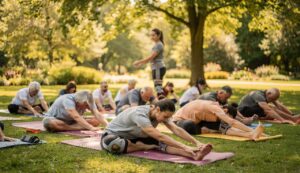
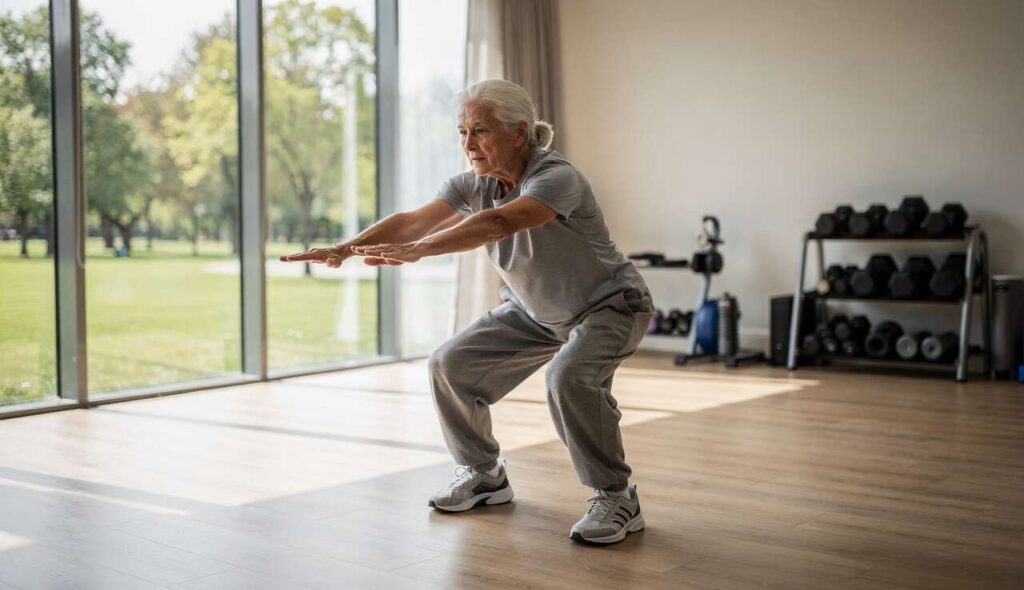
Starting an exercise routine later in life requires careful consideration and proper guidance. For those over 65 who are new to structured physical activity, fitness professionals emphasise the importance of beginning with foundational movements that build strength safely and effectively. These fundamental exercises form the cornerstone of a sustainable fitness journey, helping older adults maintain independence, improve balance, and enhance overall quality of life.
Why exercise is crucial after 65
The benefits of regular physical activity become increasingly significant as we age. Maintaining muscle mass and bone density are critical concerns for the over-65 population, as natural physiological changes can lead to sarcopenia and osteoporosis. Exercise directly combats these age-related conditions, helping to preserve functional strength and reduce the risk of falls.
Physical benefits of exercise for older adults
Research consistently demonstrates that strength training and regular movement provide numerous advantages for seniors. The physical improvements extend beyond simple muscle building to encompass comprehensive health enhancements:
- Improved cardiovascular health and circulation
- Enhanced joint flexibility and mobility
- Better balance and coordination, reducing fall risk by up to 30%
- Increased bone density, particularly important for preventing fractures
- Improved metabolic function and blood sugar regulation
Mental and emotional advantages
Exercise serves as a powerful tool for cognitive health, with studies showing regular physical activity can slow cognitive decline and improve memory function. Beyond the neurological benefits, maintaining an active lifestyle contributes to better sleep quality, reduced symptoms of depression and anxiety, and enhanced social connections when exercises are performed in group settings.
Understanding these benefits provides the foundation for appreciating why proper preparation is essential before embarking on any new fitness programme.
The importance of physical preparation before starting
Before beginning any exercise regimen, older adults must take specific preparatory steps to ensure safety and maximise effectiveness. Medical clearance should be the first priority, particularly for individuals with pre-existing conditions such as heart disease, diabetes, or arthritis.
Essential pre-exercise assessments
A comprehensive approach to preparation involves several key components. Consulting with a GP allows for identification of any contraindications or necessary modifications. Many healthcare providers recommend baseline measurements including blood pressure, joint mobility assessments, and balance tests to establish starting points and track progress.
| Assessment type | Purpose | Frequency |
|---|---|---|
| Medical consultation | Identify health risks and limitations | Before starting programme |
| Mobility screening | Establish baseline range of motion | Initial and every 3 months |
| Balance evaluation | Assess fall risk | Monthly during first 6 months |
Creating the right environment
Physical preparation extends to ensuring a safe exercise space. Proper footwear with good support, clear areas free from tripping hazards, and appropriate equipment such as sturdy chairs for support all contribute to injury prevention. Having water readily available and exercising during times of day when energy levels are highest also supports successful sessions.
With proper preparation in place, attention can turn to the specific movements that form the foundation of strength building for older adults.
Key exercises recommended by professionals
Fitness trainers specialising in senior fitness consistently recommend three fundamental movements for beginners over 65. These exercises target multiple muscle groups whilst remaining accessible and modifiable for various fitness levels.
Sit-to-stand exercises
The sit-to-stand movement replicates one of the most important functional activities in daily life. This exercise strengthens the quadriceps, glutes, and core muscles whilst improving balance and coordination. Using a sturdy chair, this movement can be adjusted by varying chair height or adding arm assistance as needed.
Wall push-ups
Wall push-ups provide an excellent introduction to upper body strengthening without the joint stress of floor-based variations. This exercise builds strength in the chest, shoulders, and triceps whilst engaging core stabilisers. The vertical angle reduces load, making it appropriate for those with limited upper body strength or wrist concerns.
Heel raises
Standing heel raises target the calf muscles and improve ankle stability, both crucial for maintaining balance and preventing falls. This simple yet effective movement can be performed whilst holding onto a counter or wall for support, making it accessible even for those with significant balance concerns.
Understanding which exercises to perform is only half the equation; executing them correctly ensures safety and effectiveness.
How to perform each move correctly to avoid injuries
Proper form is paramount when beginning any exercise programme, particularly for older adults who may be more susceptible to injury. Each of the three recommended movements has specific technical points that must be observed.
Sit-to-stand technique
To perform this exercise safely, begin seated in a sturdy chair with feet flat on the floor, hip-width apart. Keep the chest lifted and core engaged throughout the movement. Lean slightly forward from the hips, then press through the heels to stand, extending the hips and knees fully. Lower back down with control, using the leg muscles rather than simply dropping into the seat.
- Ensure knees track over toes, not collapsing inward
- Maintain a neutral spine position throughout
- Breathe steadily, exhaling on the stand and inhaling on the descent
- Use arms for minimal assistance if needed, progressively reducing reliance
Wall push-up form
Stand approximately arm’s length from a wall, placing hands flat against the surface at shoulder height and width. Engage the abdominal muscles to maintain a straight line from head to heels. Bend the elbows to lower the chest towards the wall, keeping elbows at roughly 45 degrees from the body. Push back to the starting position with controlled movement.
Heel raise execution
Stand with feet hip-width apart, holding onto a stable surface for balance support. Slowly rise onto the balls of the feet, lifting heels as high as comfortably possible. Hold briefly at the top, then lower with control. Maintain alignment with ankles, knees, and hips stacked vertically to prevent compensation patterns.
Mastering these techniques provides the foundation for gradually increasing challenge and intensity over time.
Safe progression: increasing intensity with age
Progressive overload remains important for continued strength gains, but must be approached cautiously with older populations. Gradual increases in difficulty prevent injury whilst ensuring continued adaptation and improvement.
Methods for advancing exercises
Several strategies allow for safe progression without compromising form or safety. Increasing repetitions before adding external resistance provides a conservative approach that builds muscular endurance alongside strength. For sit-to-stand exercises, progression might involve using a lower chair height or reducing arm assistance.
| Exercise | Beginner modification | Intermediate progression |
|---|---|---|
| Sit-to-stand | Higher chair, arm assistance | Lower chair, arms crossed on chest |
| Wall push-ups | Hands higher on wall | Hands lower, increased distance from wall |
| Heel raises | Both feet, full support | Single leg, light touch support |
Listening to your body
Pain should never be ignored or pushed through during exercise. Distinguishing between normal muscle fatigue and problematic discomfort is essential. Muscle soreness 24-48 hours after exercise is expected, but sharp pain, joint discomfort, or persistent aching indicates the need to reduce intensity or seek professional guidance.
Even with perfect technique and appropriate progression, maintaining consistency requires addressing the psychological aspects of exercise adherence.
Trainer’s tips for maintaining motivation
Sustaining an exercise routine presents challenges at any age, but specific strategies prove particularly effective for older adults beginning their fitness journey.
Setting realistic goals
Establishing achievable objectives provides direction and measurable progress markers. Rather than focusing solely on aesthetic outcomes, goals for older adults should emphasise functional improvements such as climbing stairs more easily, carrying shopping without fatigue, or playing with grandchildren comfortably.
Creating accountability systems
Exercising with a partner or joining group classes designed for seniors creates social connections whilst providing mutual encouragement. Many older adults find that scheduled sessions with specific times and locations increase adherence compared to vague intentions to “exercise more”.
- Track progress in a simple journal or calendar
- Celebrate small victories and improvements
- Vary exercises slightly to prevent boredom whilst maintaining core movements
- Connect exercise to valued activities and hobbies
Addressing common barriers
Time constraints, energy fluctuations, and competing priorities can derail even well-intentioned exercise plans. Breaking sessions into shorter 10-15 minute segments throughout the day provides flexibility whilst accumulating beneficial activity. Choosing times when energy is typically highest and treating exercise appointments with the same importance as medical appointments supports consistency.
Beginning an exercise programme after 65 requires thoughtful preparation, proper technique, and sustainable progression strategies. The three foundational movements recommended by fitness professionals provide accessible entry points that build functional strength whilst minimising injury risk. Medical clearance, attention to form, gradual progression, and practical motivation strategies combine to create a comprehensive approach to late-life fitness. With consistent effort and appropriate guidance, older adults can experience significant improvements in strength, balance, independence, and overall wellbeing through these simple yet effective exercises.