


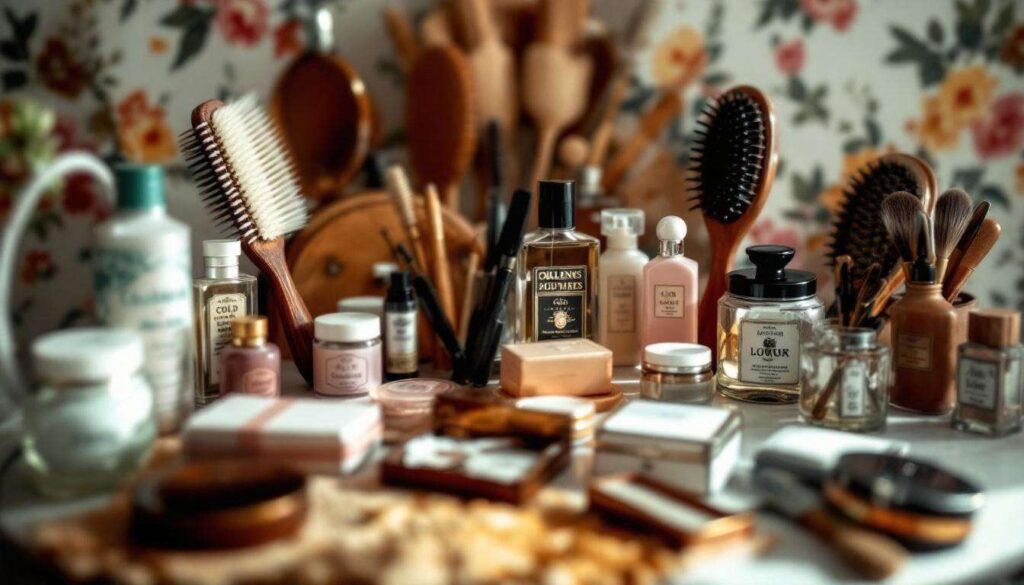
Beauty trends come and go, but certain products have stood the test of time for good reason. Whilst modern formulations flood the market with promises of revolutionary results, experts increasingly point to traditional beauty staples that have been delivering real benefits for decades. These time-honoured products continue to outperform many contemporary alternatives, proving that innovation doesn’t always mean improvement. From the dressing tables of our grandmothers to today’s beauty counters, these classic formulations remain relevant because they simply work. Dermatologists, makeup artists, and skincare specialists consistently recommend these vintage beauty solutions, citing their proven efficacy and gentle yet effective ingredients.
The artistry of classic lipstick
Why traditional bullet lipsticks remain superior
The conventional bullet lipstick continues to dominate professional makeup kits despite the proliferation of liquid formulas and lip stains. Makeup artists favour these classic products for their versatility, ease of application, and superior pigmentation. Unlike modern alternatives, traditional lipsticks offer buildable coverage and can be applied without mirrors, making them practical for touch-ups throughout the day. The creamy texture allows for precise application whilst providing long-lasting colour that doesn’t require constant reapplication.
Key benefits of vintage lipstick formulations
Classic lipstick formulations contain higher concentrations of nourishing ingredients compared to many contemporary products. These time-tested recipes typically include:
- Natural waxes such as beeswax and carnauba wax for structure and moisture retention
- Emollient oils including castor oil and lanolin that prevent lips from drying
- Traditional pigments that offer superior colour payoff without harsh chemicals
- Vitamin E for antioxidant protection and lip conditioning
Dermatologists note that these simple formulations reduce the risk of allergic reactions and irritation, making them suitable for sensitive skin. The absence of synthetic fragrances and unnecessary additives means fewer potential irritants come into contact with the delicate lip area.
Understanding the enduring appeal of classic lipsticks naturally leads to exploring other traditional products that continue to deliver exceptional results, particularly in the realm of skincare preparation.
The power of toning lotions
The forgotten step in modern routines
Toning lotions, once a staple in every skincare routine, have been unfairly dismissed by many contemporary beauty enthusiasts. However, dermatologists emphasise that these traditional products serve crucial functions that modern alternatives often fail to replicate. Toners balance the skin’s pH levels after cleansing, prepare the complexion for subsequent products, and remove any remaining impurities that cleansers might miss. The astringent properties of classic toning lotions help to minimise the appearance of pores whilst controlling excess oil production.
Traditional ingredients that deliver results
Old-fashioned toning lotions contain straightforward yet effective ingredients that have proven their worth over generations. The most beneficial components include:
| Ingredient | Primary benefit | Skin type |
|---|---|---|
| Witch hazel | Reduces inflammation and tightens pores | Oily and combination |
| Rose water | Hydrates and soothes sensitive skin | Dry and sensitive |
| Cucumber extract | Refreshes and calms irritation | All skin types |
| Chamomile | Anti-inflammatory and healing properties | Sensitive and reactive |
Skincare experts recommend applying toning lotions with cotton pads using gentle upward strokes, allowing the product to absorb fully before proceeding with serums or moisturisers. This traditional application method ensures even distribution and maximises the product’s benefits.
Just as toning lotions represent a return to effective simplicity in skincare, another ancient product continues to gain recognition for its remarkable cleansing properties.
The revival of Aleppo soap
Ancient craftsmanship meets modern needs
Aleppo soap, originating from Syria and produced using methods dating back thousands of years, has experienced a remarkable resurgence amongst beauty experts. This handcrafted soap combines olive oil and laurel berry oil in varying proportions, creating a gentle yet effective cleanser suitable for both face and body. Dermatologists praise its minimal ingredient list and traditional production process, which involves slow curing over several months to create a mild, pH-balanced product.
Therapeutic properties backed by experts
The enduring popularity of Aleppo soap amongst skincare professionals stems from its proven therapeutic benefits. The combination of olive and laurel oils provides:
- Natural antibacterial properties that combat acne-causing bacteria without harsh chemicals
- Deep moisturisation from olive oil’s high concentration of fatty acids
- Anti-inflammatory effects that soothe conditions such as eczema and psoriasis
- Gentle exfoliation that removes dead skin cells without irritation
- Antioxidant protection from natural vitamin E present in olive oil
Beauty experts recommend selecting Aleppo soap based on laurel oil concentration, with higher percentages suited to oily or problematic skin, whilst lower concentrations work better for dry or sensitive complexions. The traditional production method ensures that beneficial compounds remain intact, unlike mass-produced soaps that often strip away natural oils.
The simplicity and effectiveness of Aleppo soap mirror the benefits found in another traditional product that has maintained its reputation for transformative results.
The effectiveness of castor oil
A multi-purpose beauty solution
Castor oil has been a beauty cabinet staple for generations, valued for its remarkable versatility and proven results. This thick, viscous oil extracted from castor beans contains ricinoleic acid, a compound responsible for its numerous therapeutic properties. Trichologists and dermatologists consistently recommend castor oil for hair growth, eyebrow and eyelash enhancement, and skin conditioning, making it one of the most cost-effective beauty investments available.
Scientific support for traditional uses
Modern research has validated many traditional applications of castor oil, confirming what beauty experts have known for decades. The oil’s benefits include:
| Application | Benefit | Recommended frequency |
|---|---|---|
| Hair treatment | Strengthens follicles and promotes growth | Weekly overnight treatment |
| Eyebrow conditioning | Thickens and darkens brows naturally | Daily evening application |
| Skin moisturiser | Deeply hydrates and reduces fine lines | 2-3 times weekly |
| Nail strengthener | Prevents brittleness and promotes growth | Daily application to cuticles |
Beauty professionals advise mixing castor oil with lighter oils such as jojoba or coconut oil to improve absorption and ease of application. The antimicrobial properties of castor oil also make it beneficial for treating minor skin irritations and promoting healing.
Similar to castor oil’s transformative properties, another traditional ingredient continues to deliver impressive results in skincare applications.
The magic of clay powder
Natural purification and refinement
Clay powders have been used for centuries across various cultures for their remarkable ability to draw out impurities and refine skin texture. Facialists and dermatologists continue to incorporate different types of clay into treatments, recognising their unmatched capacity to absorb excess oil, unclog pores, and deliver minerals directly to the skin. Unlike modern chemical exfoliants, clay powders work gently whilst providing immediate visible results.
Different clays for different concerns
The variety of available clay powders allows for targeted treatment of specific skin concerns. Each type offers distinct benefits:
- Kaolin clay provides gentle cleansing suitable for sensitive and dry skin types
- Bentonite clay offers powerful detoxification ideal for oily and acne-prone complexions
- French green clay delivers intensive purification and tightening for combination skin
- Rhassoul clay from Morocco gently exfoliates whilst improving skin texture and elasticity
- Pink clay combines gentle cleansing with circulation-boosting properties for mature skin
Skincare experts recommend mixing clay powders with liquid ingredients such as rose water, aloe vera, or yoghurt to create customised masks tailored to individual needs. The traditional practice of allowing clay masks to dry partially rather than completely prevents excessive drying whilst maintaining therapeutic benefits. Regular use of clay treatments, typically once or twice weekly, helps maintain clear pores and balanced skin tone without the harsh effects associated with many modern treatments.
These five classic beauty products demonstrate that effective skincare and makeup need not rely on complex formulations or trendy ingredients. The enduring success of traditional lipsticks, toning lotions, Aleppo soap, castor oil, and clay powders proves that time-tested solutions often outperform modern alternatives. Beauty experts continue to recommend these products because they deliver consistent results without unnecessary additives or inflated claims. Their simplicity, proven efficacy, and gentle formulations make them suitable for diverse skin types and concerns. By incorporating these vintage beauty staples into contemporary routines, individuals can benefit from decades of proven results whilst avoiding the potential irritants found in many current products.