


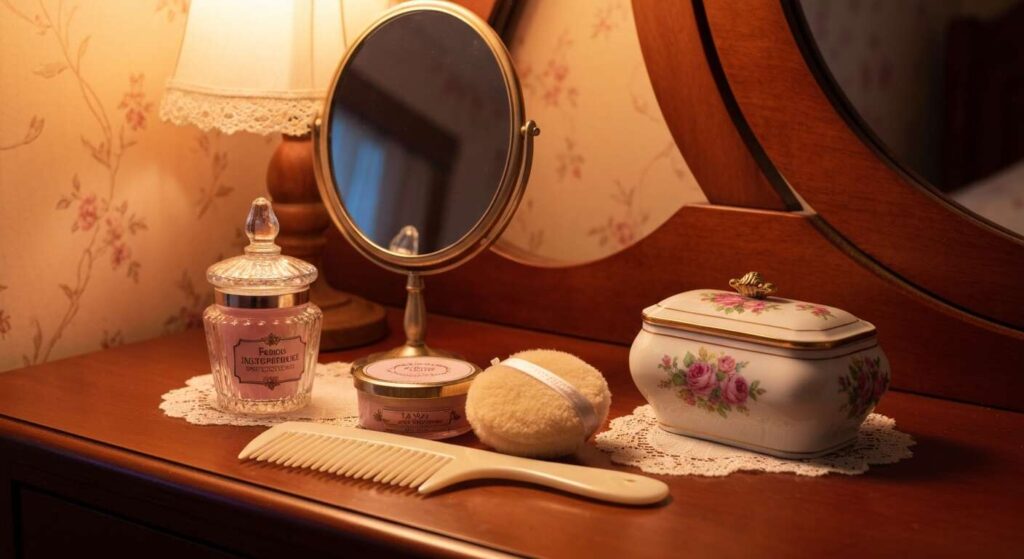
The beauty industry constantly seeks innovation, yet some of the most effective treatments have existed for generations. Traditional remedies passed down through families are experiencing a remarkable resurgence as consumers increasingly favour natural ingredients over synthetic formulations. These time-tested solutions, once dismissed as old-fashioned, are now being validated by scientific research and embraced by beauty enthusiasts worldwide. The shift towards sustainable and chemical-free alternatives has brought grandmother’s cabinet staples back into the spotlight, proving that sometimes the best solutions are the ones that have stood the test of time.
Grandma’s Timeless Beauty Secrets
The wisdom behind traditional beauty practices
Generations before modern cosmetics dominated bathroom shelves, women relied on simple, natural ingredients to maintain their appearance. These remedies were born from necessity and refined through centuries of practical application. Unlike contemporary products laden with preservatives and synthetic compounds, traditional beauty treatments focused on pure, unprocessed ingredients that worked in harmony with the skin’s natural processes.
Why these remedies remain relevant today
The enduring appeal of grandmother’s beauty secrets lies in their remarkable effectiveness and minimal side effects. Modern dermatological research has begun to validate what previous generations knew instinctively. These ingredients offer several compelling advantages:
- Cost-effectiveness compared to premium branded products
- Transparency in ingredient composition
- Minimal environmental impact during production
- Reduced risk of allergic reactions
- Multi-purpose applications for various beauty concerns
The growing awareness of harmful chemicals in mainstream cosmetics has prompted consumers to reconsider these traditional alternatives, creating a bridge between ancestral knowledge and contemporary wellness trends.
Castor Oil: An Elixir For Healthy Hair
The composition that makes it powerful
Castor oil, extracted from the seeds of Ricinus communis, contains an exceptionally high concentration of ricinoleic acid, a fatty acid rarely found in other natural oils. This unique molecular structure penetrates the hair shaft more effectively than lighter oils, delivering intensive nourishment where it’s needed most. The oil’s thick consistency creates a protective barrier that locks in moisture whilst shielding hair from environmental damage.
Applications for hair growth and thickness
Traditional use of castor oil focused primarily on promoting hair growth and increasing density. Regular scalp massage with this viscous oil stimulates blood circulation to hair follicles, potentially encouraging dormant follicles to enter active growth phases. Users typically apply the oil to their scalp and lengths, leaving it for several hours or overnight before washing. The treatment addresses multiple concerns:
- Thinning eyebrows and eyelashes
- Dry, brittle hair prone to breakage
- Flaky, irritated scalp conditions
- Split ends and damaged hair texture
Beyond hair care, this versatile oil has found applications in strengthening nails and moisturising dry skin patches, demonstrating the multi-functional nature of traditional beauty ingredients.
The Hidden Virtues Of Rosehip
Nutritional profile of rosehip oil
Rosehip oil, pressed from the seeds of wild rose bushes, contains an impressive array of skin-beneficial compounds. Its composition includes high levels of essential fatty acids, particularly omega-3 and omega-6, alongside significant concentrations of vitamin A in the form of trans-retinoic acid. This natural retinoid offers similar benefits to synthetic retinol without the harsh side effects often associated with prescription-strength treatments.
| Component | Percentage | Primary benefit |
|---|---|---|
| Linoleic acid | 44-49% | Skin barrier repair |
| Linolenic acid | 29-36% | Anti-inflammatory |
| Vitamin A | 0.1-0.5% | Cell regeneration |
| Vitamin E | Trace amounts | Antioxidant protection |
Benefits for skin regeneration and scarring
Grandmothers traditionally recommended rosehip for fading scars and evening skin tone, applications now supported by clinical evidence. The oil’s regenerative properties accelerate cell turnover, gradually diminishing the appearance of hyperpigmentation, surgical scars, and stretch marks. Its lightweight texture allows for rapid absorption without leaving greasy residue, making it suitable for all skin types including acne-prone complexions. Regular application helps maintain skin elasticity and reduces the visible signs of premature ageing.
The convergence of traditional wisdom and modern science has elevated rosehip from a folk remedy to a sought-after ingredient in premium skincare formulations, yet the pure oil remains the most potent and economical option.
Green Clay: Ally Of Purified Skin
Mineral composition and purifying properties
Green clay, also known as French green clay or sea clay, derives its distinctive colour from decomposed plant matter and iron oxides. This mineral-rich substance contains significant concentrations of magnesium, calcium, potassium, and silica. Its molecular structure creates a negative electrical charge that attracts positively charged toxins, excess sebum, and impurities from skin pores through a process called adsorption.
Traditional and modern applications
Historically used as a facial mask, green clay’s applications extend far beyond basic cleansing. When mixed with water or hydrosols to form a paste, it creates a treatment that simultaneously detoxifies and remineralises the skin. The clay’s absorbent nature makes it particularly effective for:
- Controlling excess oil production in combination skin
- Minimising the appearance of enlarged pores
- Treating minor blemishes and preventing breakouts
- Improving overall skin texture and clarity
- Soothing irritation from environmental pollutants
Modern beauty enthusiasts have rediscovered its versatility, incorporating it into body wraps, hair treatments for oily scalps, and even dental care routines. The clay’s gentle exfoliating action removes dead skin cells without the abrasiveness of physical scrubs, making it suitable for sensitive skin when used appropriately.
Whilst clay addresses external concerns, internal nourishment proves equally vital for maintaining healthy skin, leading naturally to ingredients that work from within.
The Antioxidant Power Of Olive Oil
Polyphenols and skin protection
Extra virgin olive oil contains an abundance of polyphenolic compounds including hydroxytyrosol, tyrosol, and oleuropein. These powerful antioxidants neutralise free radicals generated by UV exposure, pollution, and natural metabolic processes. The oil’s antioxidant capacity exceeds that of many synthetic preservatives, offering protection against oxidative stress that contributes to premature ageing and cellular damage.
Traditional uses in skincare routines
Mediterranean cultures have incorporated olive oil into beauty rituals for millennia, applying it as a cleansing agent, moisturiser, and treatment oil. Grandmothers often recommended it for removing stubborn makeup whilst simultaneously nourishing delicate facial skin. The oil’s emollient properties create a protective layer that prevents transepidermal water loss, maintaining optimal hydration levels. Common traditional applications include:
- Pre-shampoo treatment for dry, damaged hair
- Cuticle softener and nail strengthener
- Body moisturiser for extremely dry skin
- Gentle eye makeup remover
- Lip balm base for chapped lips
Modern research has confirmed that topical application of olive oil improves skin barrier function and accelerates wound healing, validating its long-standing reputation as a therapeutic beauty ingredient.
Honey: Natural Moisturiser For Radiant Skin
Humectant properties and antimicrobial action
Raw honey functions as a natural humectant, drawing moisture from the environment into the skin and preventing dehydration. Its unique composition includes enzymes, amino acids, vitamins, and minerals that nourish skin cells whilst its low pH and hydrogen peroxide content provide antimicrobial benefits. These properties make honey particularly effective against acne-causing bacteria without disrupting the skin’s beneficial microbiome.
Beauty applications passed through generations
Grandmothers valued honey not only as a sweetener but as a versatile beauty treatment suitable for various skin concerns. Its gentle nature makes it appropriate for sensitive skin, whilst its effectiveness appeals to those seeking visible results. Traditional honey-based treatments include:
- Face masks combined with oats or yoghurt for gentle exfoliation
- Spot treatment for blemishes and minor cuts
- Hair conditioning treatment for added shine
- Lip scrub when mixed with sugar
- Bath additive for soft, supple skin
| Skin concern | Honey application | Expected result |
|---|---|---|
| Dryness | Direct application as mask | Intense hydration |
| Acne | Overnight spot treatment | Reduced inflammation |
| Dull complexion | Weekly honey mask | Enhanced radiance |
| Uneven texture | Honey-sugar scrub | Smoother skin |
The resurgence of honey in contemporary skincare formulations demonstrates how traditional ingredients continue to outperform many synthetic alternatives, offering proven results without unnecessary additives.
These five grandmother-approved ingredients represent more than nostalgic remedies; they embody a sustainable approach to beauty that prioritises effectiveness, safety, and environmental responsibility. As consumers increasingly scrutinise product labels and demand transparency, these time-tested solutions offer reliable alternatives to complex formulations. The scientific validation of traditional knowledge bridges generational gaps, proving that innovation sometimes means looking backwards to move forwards. Whether seeking solutions for hair growth, skin regeneration, purification, antioxidant protection, or hydration, these natural ingredients provide accessible, affordable options that deliver measurable results without compromising health or sustainability.