



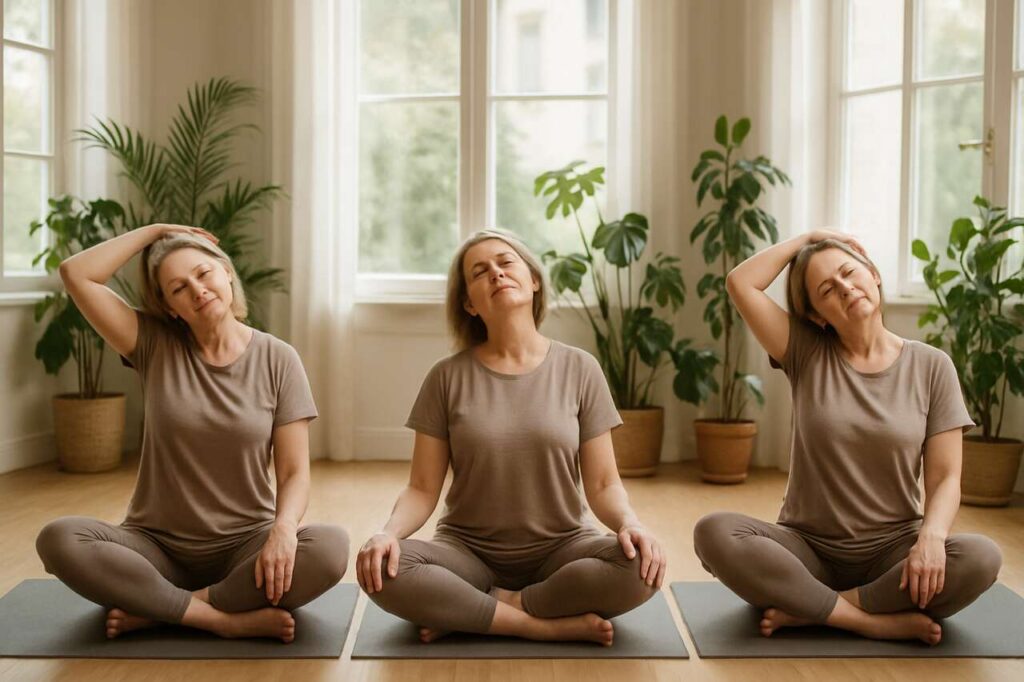
Neck discomfort has become an increasingly prevalent complaint among individuals navigating the demands of contemporary life. Hours spent hunched over keyboards, scrolling through mobile devices, and maintaining poor postural habits contribute significantly to muscular tension and pain in the cervical region. Fortunately, yoga offers accessible and effective solutions for addressing this widespread problem. Expert instructors advocate for specific movements that target the root causes of neck strain, providing relief through gentle stretches and mindful positioning. These techniques require minimal equipment and can be performed almost anywhere, making them practical additions to daily routines.
Relieving neck pain with yoga
Yoga presents a comprehensive approach to managing neck discomfort by addressing both physical and psychological factors. The practice combines stretching, strengthening, and relaxation techniques that work synergistically to reduce tension and improve overall neck health.
Understanding the connection between stress and neck tension
Physical manifestations of stress frequently accumulate in the neck and shoulder region. When individuals experience emotional pressure or anxiety, muscles in these areas contract involuntarily, creating persistent tightness and discomfort. Yoga practitioners emphasise the mind-body connection, recognising that mental tension directly influences muscular holding patterns. Through conscious breathing and deliberate movement, yoga helps release both physical and emotional stress simultaneously.
How yoga addresses muscular imbalances
Modern lifestyles often create specific muscular imbalances that contribute to neck pain. The following patterns commonly emerge:
- Shortened chest muscles from forward-leaning positions
- Weakened upper back muscles unable to support proper alignment
- Overactive neck muscles compensating for postural deficiencies
- Restricted mobility in the thoracic spine affecting cervical function
Targeted yoga movements restore balance by lengthening tight areas whilst strengthening weak regions. This corrective approach proves more effective than isolated stretching alone, as it addresses the underlying structural issues causing discomfort.
Beyond physical benefits, understanding proper alignment forms the foundation for lasting relief from neck pain.
The importance of good posture
Maintaining optimal alignment throughout daily activities represents a crucial factor in preventing and alleviating neck discomfort. Poor postural habits place excessive strain on cervical structures, leading to chronic pain patterns that become increasingly difficult to resolve.
Identifying postural problems
The forward head position constitutes one of the most common postural deviations contributing to neck pain. In this alignment, the head projects ahead of the shoulders, forcing neck muscles to work continuously against gravity. For every inch the head moves forward, the effective weight on the cervical spine increases substantially. Additional problematic patterns include:
- Rounded shoulders that pull the upper back into flexion
- Elevated shoulder blades indicating chronic muscle tension
- Collapsed chest reducing breathing capacity
- Tilted or rotated head positions creating asymmetrical strain
Establishing neutral alignment
Proper posture maintains a vertical line running from the ears through the shoulders, hips, and ankles when viewed from the side. The cervical spine preserves its natural curve rather than flattening or hyperextending. Achieving this position requires awareness and consistent practice, particularly when performing stationary tasks such as computer work or reading.
| Body region | Optimal position | Common deviation |
|---|---|---|
| Head | Centred over shoulders | Forward projection |
| Shoulders | Relaxed and level | Rounded forward |
| Chest | Open and lifted | Collapsed inward |
With postural awareness established, specific stretching techniques can provide immediate relief for tight neck muscles.
Lateral neck stretches
Side-to-side neck movements offer immediate tension release for muscles that become chronically shortened through habitual positioning. These stretches target the sternocleidomastoid and scalene muscles, which frequently harbour significant tightness.
Performing the stretch correctly
Begin in a comfortable seated position with the spine lengthened and shoulders relaxed. Gently tilt the head towards one shoulder, bringing the ear closer to the shoulder without lifting the shoulder upward. The opposite shoulder remains anchored downward, creating a gentle lengthening sensation along the side of the neck. Hold this position for several breath cycles, allowing the muscles to gradually release.
Key considerations include:
- Avoiding any pulling or forcing of the head
- Maintaining facial relaxation throughout the stretch
- Breathing steadily to facilitate muscular release
- Performing the movement equally on both sides
Enhancing the stretch
For deeper release, place the hand on the same side as the tilted head gently on top of the head, allowing the weight of the arm to increase the stretch naturally. This passive approach proves more effective than active pulling, which can trigger protective muscle contraction.
Complementing lateral movements with forward flexion provides comprehensive neck relief.
Seated forward bend
Forward folding positions create traction along the entire posterior chain, including the muscles running along the back of the neck. This movement proves particularly beneficial for individuals experiencing tension from prolonged upright postures.
Executing the pose safely
Sit with legs extended forward or crossed comfortably. Inhale to lengthen the spine, then exhale whilst hinging forward from the hips rather than rounding the back. Allow the head to hang naturally, releasing any effort to hold it in position. The weight of the head creates gentle traction, encouraging decompression of the cervical vertebrae.
Modifications accommodate different flexibility levels:
- Bending the knees to reduce hamstring tension
- Using cushions under the hips for elevation
- Placing hands on blocks or the floor for support
- Keeping the fold shallow initially and progressing gradually
Breathing techniques during forward bends
Conscious breathing enhances the benefits of forward folding. Each inhalation creates subtle lengthening along the spine, whilst exhalations encourage deeper release into the position. This rhythmic approach prevents forcing and allows the body to relax progressively into the stretch.
Lateral movements in seated positions further address neck and shoulder tension comprehensively.
Seated side stretches
Bending laterally whilst seated targets the often-neglected muscles along the sides of the torso and neck. These movements improve overall spinal mobility whilst specifically addressing lateral neck flexors that contribute to postural imbalances.
Proper technique for seated side bends
From a comfortable seated position with both sitting bones grounded evenly, extend one arm overhead whilst the opposite hand rests on the floor beside the hip. Inhale to lengthen through the extended arm, then exhale whilst bending towards the side with the grounded hand. The movement originates from the ribcage rather than simply tilting the head, ensuring comprehensive stretching through the entire lateral body.
Essential alignment points include:
- Maintaining equal weight on both sitting bones
- Avoiding forward or backward rotation of the torso
- Keeping the neck aligned with the spine
- Breathing into the stretched side to enhance the opening
Variations for different needs
Individuals can modify the intensity by adjusting arm position. Resting the extended arm on the head reduces the stretch, whilst reaching further overhead increases it. Some practitioners benefit from performing the movement with both arms extended, creating a symmetrical stretch that emphasises spinal flexibility.
Integrating these movements into everyday routines ensures sustained benefits beyond isolated practice sessions.
Tips for incorporating these moves into daily life
Consistency proves more valuable than duration when addressing chronic neck tension. Brief, regular practice sessions throughout the day yield superior results compared to infrequent extended sessions.
Creating sustainable routines
Establishing specific times for neck care increases adherence. Morning practice prepares the body for daily demands, whilst evening sessions release accumulated tension. Mid-day breaks interrupt prolonged static positioning, preventing muscle fatigue from developing into pain. Even two-minute intervals provide meaningful benefits when performed consistently.
Practical implementation strategies:
- Setting hourly reminders to check and correct posture
- Performing stretches during natural breaks such as waiting for files to load
- Combining movements with existing habits like morning coffee preparation
- Keeping a yoga mat or cushion in visible locations as prompts
Workplace adaptations
Office environments present particular challenges for neck health but also offer opportunities for preventive care. Desk-based workers can perform seated stretches without leaving their workstations. Standing periodically and performing gentle neck rolls maintains circulation and prevents stiffness. Adjusting monitor height to eye level reduces the need for downward gazing, whilst proper chair support maintains lumbar alignment that supports cervical positioning.
Monitoring progress and adjusting practice
Awareness of changing symptoms guides appropriate modifications. Initial discomfort may increase slightly as muscles adapt to new movement patterns, but sharp or worsening pain indicates the need for gentler approaches. Tracking daily comfort levels helps identify which movements provide greatest benefit for individual needs.
Simple practices yield significant improvements when applied consistently. The three movements outlined address common causes of neck discomfort through gentle stretching and postural correction. Regular implementation of lateral neck stretches, seated forward bends, and side stretches reduces muscular tension whilst improving overall alignment. Combined with conscious attention to daily postural habits, these techniques offer accessible solutions for managing and preventing neck pain. Establishing brief, frequent practice sessions ensures sustainable benefits, transforming neck care from occasional intervention into integrated self-maintenance that supports long-term comfort and mobility.