



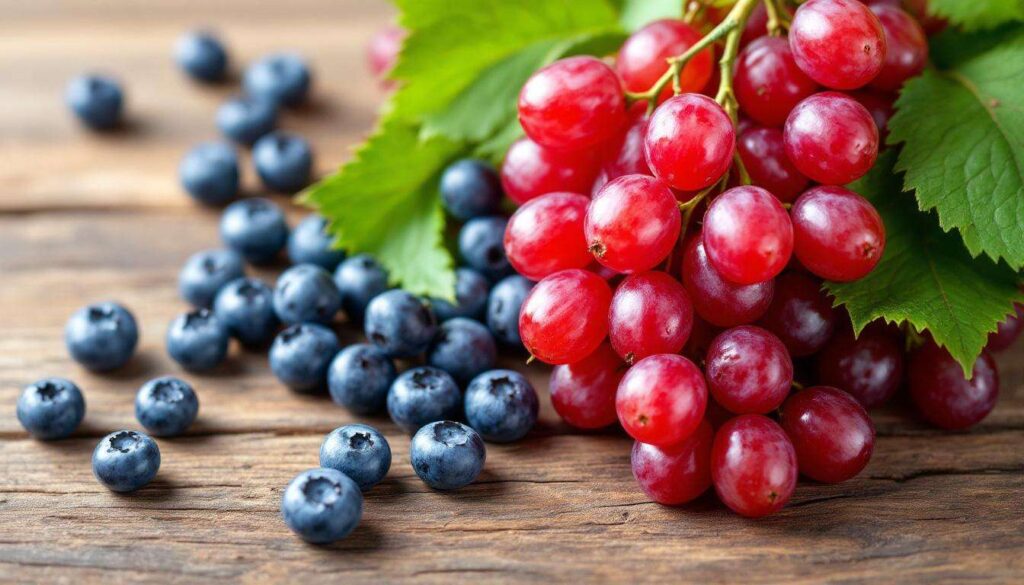
Heart disease remains one of the leading causes of mortality globally, prompting many to seek dietary solutions that support cardiovascular wellness. Among the fruits frequently recommended for heart health, blueberries and grapes stand out as nutritional powerhouses, each offering distinct benefits. Both fruits contain compounds that may protect against oxidative stress, inflammation, and other factors contributing to cardiovascular disease. Understanding the specific advantages of each can help individuals make informed choices about incorporating these fruits into a heart-healthy diet.
Nutrition comparison of blueberries and grapes
Macronutrient and calorie content
When examining the nutritional profiles of blueberries and grapes, several differences emerge that may influence dietary choices. Both fruits are relatively low in calories, making them suitable for weight management, which is itself an important factor in heart health. A 100-gram serving of blueberries contains approximately 57 calories, whilst the same quantity of grapes provides around 69 calories. The carbohydrate content differs slightly, with grapes containing more natural sugars than blueberries.
| Nutrient (per 100g) | Blueberries | Grapes |
|---|---|---|
| Calories | 57 kcal | 69 kcal |
| Carbohydrates | 14.5g | 18.1g |
| Fibre | 2.4g | 0.9g |
| Vitamin C | 9.7mg | 3.2mg |
| Vitamin K | 19.3mcg | 14.6mcg |
Vitamin and mineral composition
Blueberries offer a notably higher concentration of vitamin C, providing nearly three times the amount found in grapes. This vitamin plays a crucial role in maintaining blood vessel integrity and supporting overall cardiovascular function. Additionally, blueberries contain more dietary fibre, which has been linked to improved cholesterol levels and reduced heart disease risk. Grapes, however, provide meaningful amounts of vitamin K and potassium, both of which contribute to heart health through different mechanisms.
The mineral content of both fruits includes potassium, an electrolyte essential for regulating blood pressure. The fibre advantage of blueberries becomes particularly relevant when considering their impact on digestive health and blood sugar regulation, both factors that indirectly influence cardiovascular wellness.
The heart health benefits of blueberries
Anthocyanins and vascular function
Blueberries are renowned for their exceptionally high concentration of anthocyanins, the pigments responsible for their distinctive blue-purple colour. These compounds have been extensively studied for their cardiovascular protective properties. Research suggests that anthocyanins may improve endothelial function, which refers to the health of the inner lining of blood vessels. Proper endothelial function is crucial for maintaining healthy blood pressure and preventing atherosclerosis.
Regular consumption of blueberries has been associated with several measurable improvements in cardiovascular markers:
- Reduction in arterial stiffness, allowing for better blood flow
- Improved cholesterol profiles, particularly increases in HDL cholesterol
- Decreased oxidative stress markers in the bloodstream
- Enhanced insulin sensitivity, reducing diabetes risk factors
Blood pressure regulation
Clinical trials have demonstrated that blueberry consumption may lead to modest but significant reductions in both systolic and diastolic blood pressure. The mechanisms behind this effect appear to involve the fruit’s ability to promote nitric oxide production, a compound that helps blood vessels relax and dilate. This vasodilatory effect can contribute to lower blood pressure readings over time, particularly in individuals with pre-existing hypertension or metabolic syndrome.
Beyond these specific compounds, the overall nutritional package that blueberries provide supports heart health through multiple pathways, setting the stage for understanding how grapes offer their own unique cardiovascular advantages.
The heart benefits of grapes
Resveratrol and cardiovascular protection
Grapes, particularly red and purple varieties, contain significant amounts of resveratrol, a polyphenol that has garnered considerable attention in cardiovascular research. This compound is found primarily in grape skins and has been studied for its potential to reduce inflammation and prevent blood clot formation. Resveratrol may activate certain proteins that promote longevity and protect against age-related cardiovascular decline.
The cardiovascular benefits attributed to grape consumption include:
- Anti-inflammatory effects that may reduce chronic disease risk
- Improved blood lipid profiles through cholesterol modulation
- Enhanced platelet function, potentially reducing clot formation
- Protection against LDL cholesterol oxidation, a key step in atherosclerosis
Flavonoids and heart rhythm
Beyond resveratrol, grapes contain various flavonoids that contribute to cardiovascular health through different mechanisms. These compounds may help maintain healthy heart rhythm and support the electrical conductivity of cardiac tissue. Some research suggests that regular grape consumption could be associated with reduced risk of atrial fibrillation and other arrhythmias, though more studies are needed to confirm these effects definitively.
The potassium content in grapes also deserves mention, as this mineral plays a vital role in maintaining proper heart rhythm and counteracting the effects of sodium on blood pressure. With these heart-protective qualities established, examining the specific antioxidant profiles of both fruits reveals further distinctions.
Antioxidants in blueberries and grapes: what’s the difference ?
Antioxidant capacity measurements
When comparing the antioxidant capacity of blueberries and grapes, laboratory measurements consistently show that blueberries rank among the highest of all commonly consumed fruits. The ORAC (Oxygen Radical Absorbance Capacity) score, which measures antioxidant strength, places blueberries significantly higher than most grape varieties. This superior antioxidant capacity translates to greater potential for neutralising free radicals that contribute to cardiovascular damage.
Types of protective compounds
The antioxidant profiles of these fruits differ not just in quantity but in composition. Blueberries contain predominantly anthocyanins, along with other flavonoids such as quercetin and myricetin. Grapes, conversely, offer a different array of polyphenols including resveratrol, catechins, and proanthocyanidins. This diversity means that each fruit may protect the cardiovascular system through complementary rather than identical pathways.
| Antioxidant Type | Primary Source | Cardiovascular Benefit |
|---|---|---|
| Anthocyanins | Blueberries | Endothelial function, blood pressure |
| Resveratrol | Grapes | Anti-inflammatory, anti-clotting |
| Quercetin | Both | Arterial health, inflammation |
| Proanthocyanidins | Grapes | Cholesterol reduction |
Understanding these biochemical differences provides context for interpreting the scientific literature examining how these fruits affect heart health in real-world settings.
Scientific studies on fruits and heart health
Clinical trials with blueberries
Multiple clinical trials have investigated the cardiovascular effects of blueberry consumption. A notable study published in a peer-reviewed journal found that daily consumption of blueberries for eight weeks led to improvements in vascular function among individuals with metabolic syndrome. Participants experienced measurable improvements in flow-mediated dilation, a marker of arterial health, suggesting that regular blueberry intake may help reverse some aspects of cardiovascular dysfunction.
Research on grape consumption
Similarly, research examining grape consumption has yielded promising results. Studies focusing on grape polyphenols have demonstrated benefits for blood pressure regulation and cholesterol management. One investigation found that consuming grapes daily for several weeks resulted in reduced blood pressure and improved antioxidant status in participants with elevated cardiovascular risk factors. The evidence suggests that both whole grapes and grape products may confer protective effects.
Epidemiological studies have also contributed valuable insights, with populations consuming higher amounts of berries and grapes generally showing lower rates of cardiovascular disease. However, isolating the effects of specific fruits from overall dietary patterns remains methodologically challenging, which is why controlled trials provide the most reliable evidence for making dietary recommendations.
Which fruit to favour for a healthy heart ?
Individual health considerations
Choosing between blueberries and grapes for heart health need not be an either-or decision. Both fruits offer complementary benefits that support cardiovascular wellness through different mechanisms. For individuals particularly concerned about blood pressure, blueberries may offer a slight advantage due to their superior anthocyanin content and demonstrated effects on vascular function. Those focusing on anti-inflammatory benefits and cholesterol management might find grapes equally valuable.
Practical dietary recommendations
The most effective approach involves incorporating both fruits into a varied diet rich in plant-based foods. Practical considerations include:
- Choosing fresh or frozen berries without added sugars
- Selecting darker grape varieties for higher polyphenol content
- Consuming whole fruits rather than juices to maximise fibre intake
- Aiming for at least one to two servings of berries or grapes daily
- Combining these fruits with other heart-healthy foods such as nuts and whole grains
Ultimately, the “better” fruit depends on individual health profiles, taste preferences, and overall dietary patterns. Both blueberries and grapes have earned their reputation as heart-healthy choices backed by scientific evidence.
Both blueberries and grapes offer substantial cardiovascular benefits through their rich antioxidant profiles and unique bioactive compounds. Blueberries excel in anthocyanin content and demonstrate particular strength in improving vascular function and blood pressure regulation. Grapes provide valuable resveratrol and flavonoids that combat inflammation and support healthy cholesterol levels. Rather than selecting one over the other, incorporating both fruits into a balanced diet maximises the diverse protective compounds available from these nutritional powerhouses, supporting heart health through multiple complementary pathways.