



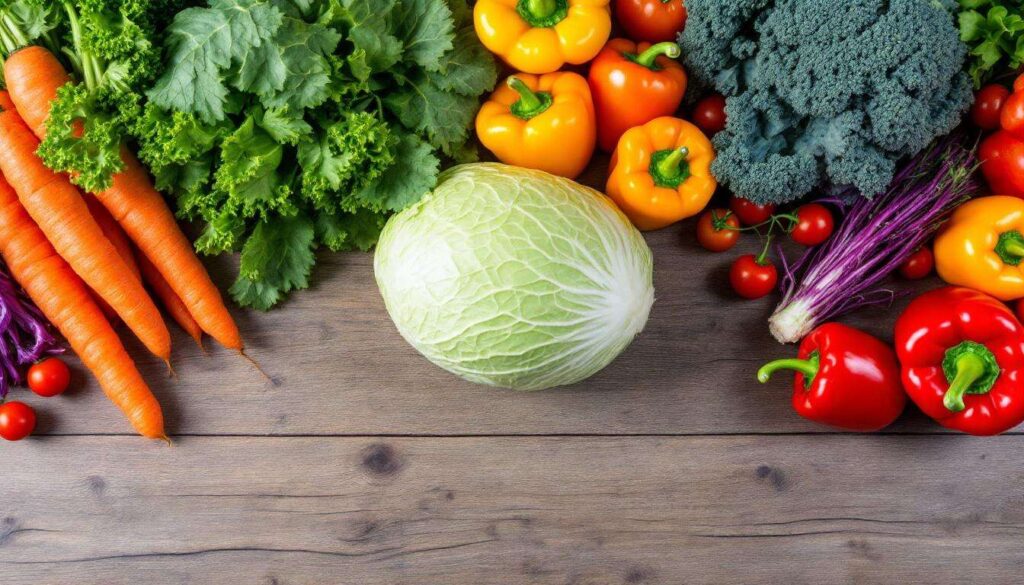
Cabbage is making an extraordinary comeback on dining tables across the nation, proving that humble ingredients can steal the culinary spotlight. This versatile cruciferous vegetable, long relegated to traditional dishes and school canteen memories, is experiencing a remarkable renaissance among food enthusiasts, professional chefs, and budget-conscious households alike. With its exceptional affordability, impressive nutritional profile, and surprising adaptability in contemporary cuisine, cabbage is poised to dominate food trends in the coming years.
The nutritional benefits of the budget-friendly vegetable
A powerhouse of essential vitamins and minerals
Cabbage delivers an impressive array of nutrients whilst remaining remarkably low in calories. A single serving provides substantial amounts of vitamin C, vitamin K, and vitamin B6, making it an excellent choice for maintaining overall health. The vegetable contains approximately 85% water, which contributes to hydration whilst providing dietary fibre essential for digestive health.
The nutritional composition includes:
- High levels of antioxidants, particularly polyphenols and sulphur compounds
- Significant amounts of folate, crucial for cell division and DNA synthesis
- Manganese, supporting bone health and metabolism
- Potassium for cardiovascular function
- Anti-inflammatory properties linked to reduced chronic disease risk
Health advantages backed by scientific research
Research has demonstrated that regular cabbage consumption may contribute to cancer prevention, particularly for digestive system cancers. The glucosinolates found in cabbage break down into compounds that have shown promise in laboratory studies for their anti-cancer properties. Additionally, the vegetable’s high fibre content supports gut health by promoting beneficial bacteria growth and improving digestive regularity.
| Nutrient | Amount per 100g | Daily Value Percentage |
|---|---|---|
| Vitamin C | 36.6mg | 61% |
| Vitamin K | 76μg | 95% |
| Fibre | 2.5g | 10% |
| Calories | 25 | 1% |
Beyond these fundamental benefits, cabbage’s affordability makes nutritious eating accessible to families across all income brackets, addressing concerns about the cost of maintaining a healthy diet.
Creative recipes to cook this vegetable
Modern interpretations of classic preparations
Contemporary chefs are reinventing traditional cabbage dishes with innovative techniques and unexpected flavour combinations. Fermented preparations like kimchi and sauerkraut have gained mainstream popularity, offering probiotic benefits alongside distinctive tastes. Charred cabbage steaks, seasoned with Middle Eastern spices and drizzled with tahini sauce, have become restaurant favourites that home cooks can easily replicate.
Trending preparation methods include:
- Roasting wedges with miso butter and sesame seeds
- Creating cabbage ‘noodles’ as a low-carb pasta alternative
- Incorporating shredded cabbage into Asian-inspired tacos
- Braising in coconut milk with curry spices
- Making crispy cabbage chips as a healthy snack option
International influences reshaping cabbage cuisine
Global culinary traditions are inspiring exciting new applications for this versatile vegetable. Japanese okonomiyaki pancakes showcase cabbage as a primary ingredient rather than a supporting player. Ethiopian cabbage dishes featuring berbere spice blends demonstrate how bold seasonings can transform the vegetable’s mild flavour profile. Polish gołąbki and Ukrainian holubtsi stuffed cabbage rolls are being adapted with contemporary fillings like quinoa and plant-based proteins.
These diverse cooking approaches highlight cabbage’s remarkable ability to absorb and complement various flavour profiles whilst maintaining its satisfying texture.
How to incorporate this vegetable into your daily diet
Simple strategies for everyday meals
Integrating cabbage into regular meal planning requires minimal effort and delivers maximum nutritional value. Starting with breakfast, finely shredded cabbage can be added to omelettes or scrambled eggs, providing extra volume and nutrients without overwhelming other flavours. For lunch, raw cabbage slaw adds crunch and freshness to sandwiches and wraps whilst replacing less nutritious ingredients.
Practical incorporation methods include:
- Keeping pre-shredded cabbage in the refrigerator for quick additions
- Substituting half the lettuce in salads with shredded cabbage
- Adding cabbage to soups and stews during the final cooking stages
- Using cabbage leaves as wraps for grain bowls and protein servings
- Blending raw cabbage into smoothies with fruits to mask the flavour
Storage and preparation tips for convenience
Proper storage extends cabbage’s usability, with whole heads lasting several weeks when refrigerated. Preparation techniques can be streamlined by investing in a mandoline or food processor for consistent shredding. Blanching and freezing cabbage portions allows for year-round availability and reduces preparation time on busy evenings.
The vegetable’s durability and long shelf life make it an ideal candidate for reducing food waste whilst maintaining a well-stocked kitchen.
The reasons for its success in 2026
Economic factors driving popularity
Rising food costs have prompted consumers to seek affordable alternatives without compromising nutritional quality. Cabbage typically costs a fraction of the price of other vegetables whilst providing comparable or superior health benefits. This economic advantage has positioned cabbage as a practical solution for families managing tighter grocery budgets during periods of inflation.
| Vegetable | Average Price per kg | Servings per kg |
|---|---|---|
| Cabbage | £0.80 | 10-12 |
| Broccoli | £2.50 | 4-5 |
| Kale | £3.20 | 6-8 |
Environmental and sustainability considerations
Cabbage cultivation requires relatively minimal resources compared to many popular vegetables, aligning with growing environmental consciousness. The crop tolerates various climates, grows efficiently, and produces high yields per acre. Local production reduces transportation emissions, and the vegetable’s hardy nature means less reliance on pesticides and intensive farming practices.
These sustainability credentials resonate with environmentally aware consumers seeking to reduce their ecological footprint through dietary choices.
Impact of the budget-friendly vegetable on the food industry
Restaurant and catering sector adaptations
Professional kitchens are increasingly featuring cabbage in premium menu offerings, elevating its status from side dish to centrepiece. High-end restaurants are showcasing heritage cabbage varieties, demonstrating terroir and seasonality. Fast-casual establishments are incorporating cabbage-based bowls and salads that appeal to health-conscious diners seeking substantial yet affordable meals.
Product development and retail innovations
Food manufacturers are launching cabbage-based products targeting convenience-oriented consumers. Pre-prepared cabbage meal kits, fermented cabbage snacks, and cabbage-enriched ready meals are appearing on supermarket shelves. Retailers are dedicating increased shelf space to various cabbage types, including red, savoy, and pointed varieties that offer different textures and flavours.
This commercial expansion reflects genuine consumer demand rather than manufactured trends, suggesting sustained market presence.
Testimonials from consumers won over by the budget-friendly vegetable
Real experiences from everyday households
Sarah Thompson, a mother of three from Manchester, reports that incorporating cabbage has reduced her weekly grocery bill by approximately 15% whilst improving her family’s vegetable intake. “The children actually enjoy the crunchy texture in stir-fries, and I appreciate how one cabbage provides multiple meals,” she explains.
James Patterson, a university student in Edinburgh, discovered cabbage as a solution to limited cooking facilities and tight finances. His enthusiasm centres on the vegetable’s versatility: “I can eat it raw, quickly sauté it, or add it to instant noodles for extra nutrition without needing complicated recipes or equipment.”
Professional perspectives on the trend
Nutritionist Dr. Emma Collins observes that clients are increasingly receptive to cabbage recommendations when they understand the cost-benefit ratio. “People are surprised to learn that this inexpensive vegetable rivals expensive superfoods in nutritional content,” she notes, adding that compliance with dietary recommendations improves when affordability concerns are addressed.
These authentic accounts demonstrate that cabbage’s resurgence stems from practical benefits rather than fleeting culinary fashion.
The remarkable ascent of cabbage within contemporary food culture reflects a convergence of economic necessity, nutritional awareness, and culinary creativity. Its exceptional affordability addresses genuine financial concerns whilst delivering substantial health benefits that rival more expensive alternatives. The vegetable’s adaptability across diverse cuisines and cooking methods ensures sustained relevance beyond temporary trends. As consumers continue prioritising value, nutrition, and sustainability, cabbage’s position as a kitchen staple appears firmly established for years ahead.