

Dark pigmentation above the upper lip can affect confidence and appearance, prompting many to seek effective yet gentle solutions. Natural remedies have gained considerable attention for their ability to address hyperpigmentation without harsh chemicals. Among these, the combination of honey and lemon stands out as a time-tested approach that works through enzymatic and acidic processes to gradually lighten darkened skin. This simple yet scientifically-grounded method offers an accessible alternative to commercial bleaching products, utilising ingredients readily available in most kitchens.
Understanding upper-lip shadow
What causes hyperpigmentation above the lip
The darkening of skin above the upper lip, commonly referred to as melasma or hyperpigmentation, results from an overproduction of melanin in specific areas. Several factors contribute to this condition:
- Hormonal fluctuations during pregnancy or whilst taking contraceptives
- Excessive sun exposure without adequate protection
- Repeated friction from hair removal methods
- Genetic predisposition to increased melanin production
- Certain medications that increase photosensitivity
Why this area is particularly susceptible
The skin above the upper lip possesses unique characteristics that make it more vulnerable to pigmentation. This region experiences frequent exposure to ultraviolet radiation, particularly as people often neglect to apply sunscreen thoroughly in this area. Additionally, the skin here is relatively thin and sensitive, making it more reactive to irritation from cosmetics, waxing, or threading. The proximity to the mouth also means this area encounters various substances throughout the day, from food to lip products, which can trigger inflammatory responses leading to post-inflammatory hyperpigmentation.
Understanding these underlying causes helps explain why targeted natural treatments can be effective when applied consistently and with proper precautions.
Why choose honey and lemon ?
The advantages of natural ingredients
Natural remedies offer several compelling benefits over synthetic alternatives. They typically contain fewer harsh chemicals that might irritate sensitive facial skin, particularly in the delicate upper-lip region. Both honey and lemon are widely available and cost-effective, making this treatment accessible regardless of budget constraints. Furthermore, these ingredients have been used for centuries in traditional skincare practices across various cultures, providing historical evidence of their safety and efficacy when used appropriately.
Complementary properties
The combination of honey and lemon creates a synergistic effect that enhances the lightening process. Whilst lemon provides the acidic component necessary for exfoliation and bleaching, honey offers moisturising and healing properties that counterbalance the potentially drying effects of citric acid. This partnership ensures that the skin receives treatment whilst maintaining its natural moisture barrier, reducing the risk of irritation or excessive dryness.
| Property | Honey | Lemon |
|---|---|---|
| Primary action | Moisturising and healing | Exfoliating and bleaching |
| pH level | Slightly acidic (3.9-4.5) | Highly acidic (2.0-2.6) |
| Key compounds | Enzymes, antioxidants | Citric acid, vitamin C |
This natural pairing addresses multiple aspects of hyperpigmentation whilst supporting overall skin health.
The lightening properties of honey
Enzymatic activity in raw honey
Raw honey contains natural enzymes, particularly glucose oxidase, which produces small amounts of hydrogen peroxide when in contact with the skin. This mild peroxide acts as a gentle bleaching agent, gradually lightening pigmented areas without the harshness of synthetic bleaches. The enzymatic action works slowly and steadily, making it suitable for sensitive skin that might react adversely to stronger treatments.
Antioxidant and healing benefits
Beyond its lightening capabilities, honey provides substantial antioxidant protection through compounds such as flavonoids and phenolic acids. These antioxidants combat free radicals that can trigger melanin production and worsen hyperpigmentation. Additionally, honey’s natural humectant properties draw moisture into the skin, maintaining hydration levels essential for healthy cell turnover. Its anti-inflammatory qualities help soothe irritation that might otherwise lead to post-inflammatory darkening, creating an environment conducive to gradual lightening.
Supporting skin regeneration
Honey promotes cellular regeneration by providing nutrients that support the skin’s natural healing processes. This encourages the replacement of pigmented cells with newer, lighter ones over time. The antibacterial properties of honey also prevent infections that could cause scarring or additional pigmentation, ensuring that the lightening process proceeds without complications.
These multifaceted properties make honey an invaluable component in the natural lightening formula, working alongside lemon’s more direct bleaching action.
The role of lemon in natural lightening
Citric acid as a natural exfoliant
Lemon juice contains high concentrations of citric acid, an alpha-hydroxy acid that functions as a chemical exfoliant. This acid gently dissolves the bonds between dead skin cells, facilitating their removal and revealing fresher skin beneath. Regular exfoliation accelerates the turnover of pigmented cells, gradually reducing the appearance of dark patches. The exfoliating action also enhances the penetration of other beneficial compounds, maximising the treatment’s effectiveness.
Vitamin C and melanin inhibition
Lemon is exceptionally rich in vitamin C (ascorbic acid), a powerful antioxidant known for its skin-brightening properties. Vitamin C interferes with tyrosinase, the enzyme responsible for melanin production, thereby reducing the formation of new pigment. This dual action of removing existing pigmentation whilst preventing new darkening creates a comprehensive approach to treating upper-lip shadow. The antioxidant properties of vitamin C also protect against oxidative stress that can worsen hyperpigmentation.
Natural bleaching through photochemical reactions
The compounds in lemon juice undergo photochemical reactions that contribute to its bleaching effect. However, this property requires careful consideration, as lemon can increase photosensitivity, making sun protection absolutely essential during treatment. When used correctly with appropriate precautions, lemon’s bleaching properties work effectively to lighten darkened areas over consistent application periods.
Understanding lemon’s mechanisms helps users appreciate both its benefits and the precautions necessary for safe application.
How to prepare and apply the honey-lemon mixture
Ingredients and preparation method
Creating an effective honey-lemon treatment requires minimal ingredients and simple preparation:
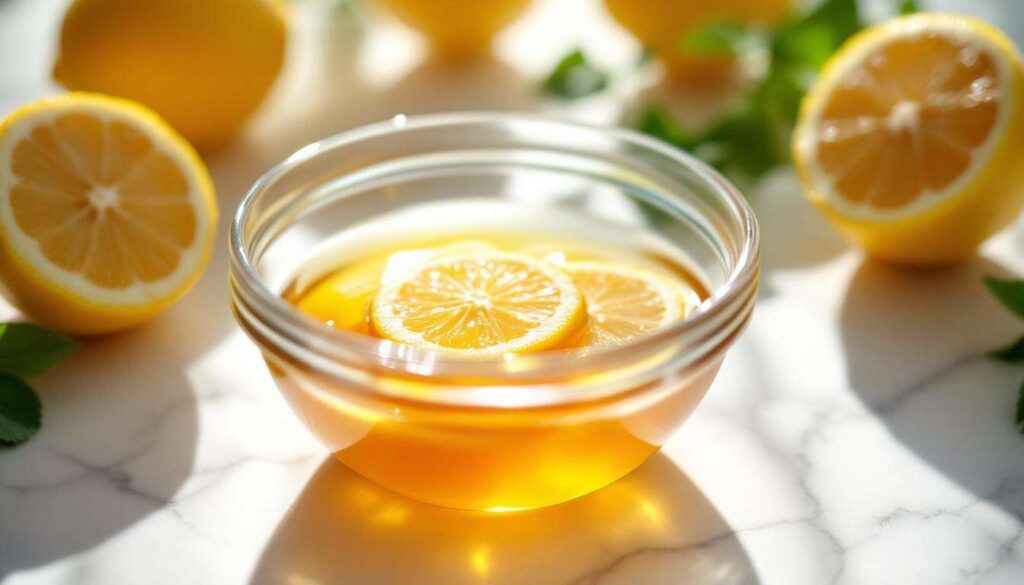
- One tablespoon of raw, organic honey
- Half tablespoon of freshly squeezed lemon juice
- A small bowl for mixing
- Cotton pad or clean fingertips for application
Mix the honey and lemon juice thoroughly in the bowl until they form a uniform consistency. The honey should be at room temperature to facilitate easier blending. Always use fresh lemon juice rather than bottled varieties, as fresh juice contains higher concentrations of active compounds and lacks preservatives that might irritate the skin.
Application technique
Before applying the mixture, cleanse the upper-lip area gently with a mild cleanser and pat dry. Using a cotton pad or clean fingers, apply a thin, even layer of the honey-lemon mixture to the darkened area, being careful to avoid the lips themselves. Leave the treatment on for approximately fifteen to twenty minutes, allowing sufficient time for the active ingredients to penetrate the skin. Rinse thoroughly with lukewarm water, then pat dry and apply a gentle, fragrance-free moisturiser to maintain hydration.
Recommended frequency
For optimal results without over-treating the skin, apply this mixture two to three times weekly. Consistency proves more important than frequency, as lightening occurs gradually over several weeks. Most users notice visible improvements after four to six weeks of regular application, though individual results vary depending on the severity of pigmentation and skin type.
Proper application technique ensures maximum benefit whilst minimising potential irritation, but additional precautions remain essential for safe use.
Precautions and tips for optimal use
Conducting a patch test
Before applying the mixture to the sensitive upper-lip area, always perform a patch test on a small area of skin, such as the inner wrist or behind the ear. Apply a small amount of the mixture and wait twenty-four hours to observe any adverse reactions. Signs of sensitivity include redness, itching, burning, or swelling. If any of these occur, discontinue use immediately. This precautionary step is particularly important for individuals with sensitive skin or known allergies to citrus fruits.
Sun protection is non-negotiable
Lemon juice increases the skin’s photosensitivity, making it more susceptible to sun damage and potentially worsening hyperpigmentation. Apply a broad-spectrum sunscreen with SPF 30 or higher to the treated area daily, regardless of weather conditions. Reapply every two hours when outdoors. Consider applying the treatment in the evening to minimise sun exposure during the hours immediately following application. This precaution is absolutely essential for preventing paradoxical darkening.
Recognising when to stop
Discontinue treatment if you experience persistent irritation, increased sensitivity, or worsening pigmentation. Some individuals may find lemon too harsh for their skin type, and continuing despite adverse reactions can cause more harm than benefit. Alternative natural lightening agents, such as turmeric or aloe vera, may prove more suitable for particularly sensitive skin.
Additional tips for enhanced results
- Stay well-hydrated to support skin health from within
- Maintain a diet rich in antioxidants to combat oxidative stress
- Avoid harsh hair removal methods that might worsen pigmentation
- Use gentle, fragrance-free skincare products on the treated area
- Be patient, as natural lightening occurs gradually over weeks
These precautions and tips maximise the treatment’s effectiveness whilst protecting the delicate upper-lip skin from potential damage.
The combination of honey and lemon offers a scientifically-grounded approach to lightening upper-lip shadow through natural means. Honey’s enzymatic activity and healing properties complement lemon’s exfoliating citric acid and melanin-inhibiting vitamin C, creating a gentle yet effective treatment. Success requires consistent application two to three times weekly, proper preparation techniques, and unwavering commitment to sun protection. Whilst results appear gradually over four to six weeks, this natural method provides a safe alternative to harsh chemical bleaches for those willing to exercise patience. Always conduct patch tests, monitor skin reactions, and adjust frequency based on individual tolerance to achieve optimal lightening whilst maintaining skin health.