



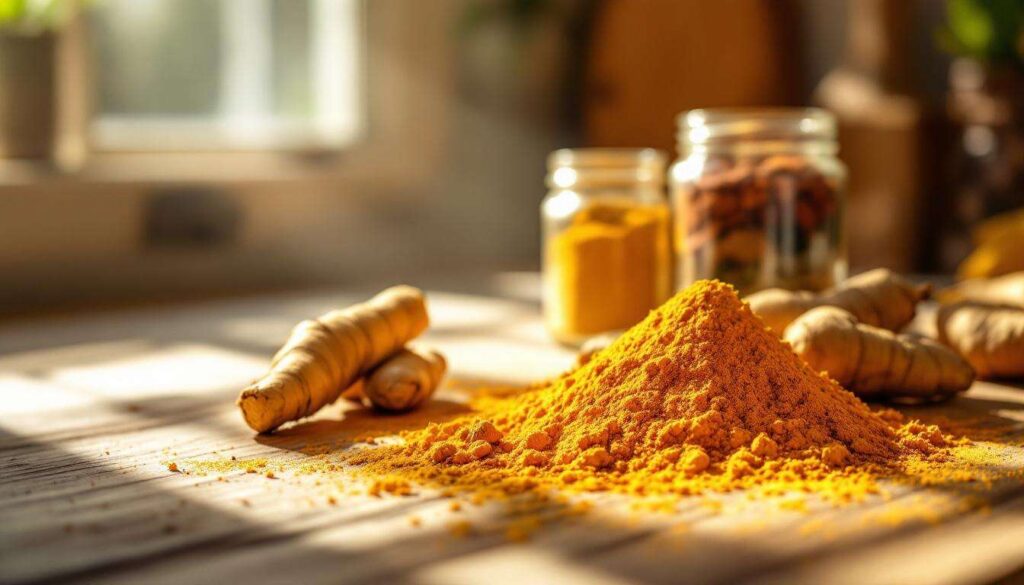
The vibrant golden spice that has coloured curries and traditional medicines for millennia continues to fascinate researchers and health enthusiasts alike. Turmeric, derived from the root of Curcuma longa, has transcended its culinary origins to become one of the most studied natural compounds in modern science. Understanding how long this powerful substance remains active within our system is crucial for anyone seeking to harness its potential benefits effectively. The journey of turmeric through the human body involves complex metabolic processes that determine both its efficacy and duration of action.
What is turmeric and its properties
The botanical origins and composition
Turmeric belongs to the ginger family and grows predominantly in South Asian regions. The rhizome, or underground stem, contains the active compounds that give the spice its distinctive characteristics. Curcumin represents the primary bioactive constituent, comprising approximately three to five per cent of turmeric by weight. This polyphenolic compound delivers the majority of turmeric’s therapeutic properties and brilliant yellow-orange pigmentation.
Key therapeutic properties
Research has identified numerous beneficial properties associated with turmeric consumption:
- Anti-inflammatory effects that may help reduce chronic inflammation throughout the body
- Antioxidant capacity to neutralise harmful free radicals and protect cellular structures
- Potential antimicrobial properties against various pathogens
- Neuroprotective qualities that support cognitive function
- Cardiovascular benefits including improved endothelial function
These properties have positioned turmeric as a subject of intense scientific investigation, with thousands of studies exploring its applications in various health conditions. The challenge, however, lies not in turmeric’s potential but in how effectively the body can utilise it.
How the body absorbs turmeric
The bioavailability challenge
One of the most significant obstacles with turmeric supplementation is its notoriously poor bioavailability. When consumed in its natural form, curcumin is rapidly metabolised and eliminated, with very little reaching the bloodstream unchanged. Studies indicate that oral curcumin absorption remains extremely limited due to its poor solubility in water and rapid metabolism in the liver and intestinal wall.
Absorption pathways and metabolism
Upon ingestion, turmeric undergoes several transformations:
| Stage | Process | Location |
|---|---|---|
| Initial breakdown | Dissolution in digestive fluids | Stomach and small intestine |
| Absorption | Transport across intestinal lining | Small intestine |
| First-pass metabolism | Conjugation and glucuronidation | Liver and intestinal cells |
| Systemic circulation | Distribution via bloodstream | Throughout body |
The first-pass metabolism in the liver converts curcumin into various metabolites, including curcumin glucuronide and curcumin sulphate, which possess different biological activities than the parent compound. Understanding these absorption dynamics helps explain why timing and formulation matter considerably when consuming turmeric.
Factors influencing the duration of turmeric in the body
Individual physiological variables
The length of time turmeric remains active varies significantly between individuals. Metabolic rate plays a crucial role, with faster metabolisms processing and eliminating curcumin more rapidly. Age, body composition, and overall health status all contribute to these variations. Individuals with compromised liver or kidney function may experience altered elimination patterns.
Dosage and formulation considerations
The amount consumed directly impacts duration within the system. Higher doses generally remain detectable for longer periods, though this doesn’t necessarily translate to enhanced benefits due to saturation of absorption mechanisms. Modern formulations have attempted to address bioavailability through various enhancement strategies:
- Combination with piperine from black pepper, which can increase absorption by up to 2,000 per cent
- Lipid-based delivery systems that improve fat solubility
- Nanoparticle formulations that reduce particle size for better absorption
- Phospholipid complexes that enhance cellular uptake
Dietary and lifestyle factors
Consumption with fatty meals significantly enhances absorption since curcumin is lipophilic. The presence of other foods, medications, and supplements can either facilitate or hinder turmeric’s journey through the digestive system. Regular consumers may develop different absorption patterns compared to occasional users, though the body does not appear to build tolerance to curcumin’s effects.
Methods of turmeric elimination by the body
Primary elimination routes
The body employs multiple pathways to clear turmeric and its metabolites. Biliary excretion represents the primary route, with the liver processing curcumin and secreting metabolites into bile, which then enters the intestines for elimination through faeces. This accounts for the majority of curcumin clearance from the system.
Timeline of elimination
Research indicates that curcumin has a relatively short half-life in the bloodstream, typically ranging from one to three hours when consumed in standard formulations. However, this doesn’t mean all traces disappear immediately:
| Timeframe | Status in body |
|---|---|
| 1-3 hours | Peak blood concentration |
| 6-8 hours | Significant decline in plasma levels |
| 12-24 hours | Most metabolites eliminated |
| 48-72 hours | Trace amounts may persist in tissues |
Enhanced formulations can extend these timeframes considerably, with some sustained-release preparations maintaining detectable levels for substantially longer periods. The rapid elimination explains why consistent daily supplementation is often recommended rather than sporadic high-dose consumption.
Long-term health effects of turmeric
Cumulative benefits with regular consumption
Despite its brief presence in circulation, regular turmeric consumption may produce lasting health effects. Studies suggest that consistent intake supports ongoing anti-inflammatory processes and antioxidant defence systems. The body’s tissues may accumulate beneficial effects even when individual doses are quickly metabolised and eliminated.
Safety considerations for prolonged use
Turmeric demonstrates an excellent safety profile with minimal adverse effects reported in clinical trials, even with extended use. Most individuals tolerate daily supplementation well, though some may experience mild gastrointestinal discomfort at higher doses. Those taking anticoagulant medications should exercise caution, as turmeric may potentiate blood-thinning effects. Consultation with healthcare providers remains advisable for individuals with existing medical conditions or those taking multiple medications.
Tips for optimising turmeric absorption
Strategic consumption methods
Maximising turmeric’s benefits requires thoughtful approaches to consumption. Taking turmeric with meals containing healthy fats substantially improves absorption. Adding black pepper to turmeric preparations dramatically enhances bioavailability through piperine’s inhibition of hepatic and intestinal glucuronidation.
Practical recommendations
- Consume turmeric with coconut oil, olive oil, or other fat sources
- Add freshly ground black pepper to turmeric dishes or supplements
- Consider time-release or enhanced bioavailability formulations
- Divide daily doses into multiple smaller servings throughout the day
- Maintain consistency with daily intake rather than sporadic high doses
- Store turmeric powder in airtight containers away from light to preserve potency
Choosing quality products
Selecting high-quality turmeric products ensures optimal results. Look for standardised extracts that specify curcumin content, typically ranging from 95 per cent in concentrated supplements. Third-party testing certifications provide assurance regarding purity and absence of contaminants. Fresh turmeric root offers an alternative to powdered forms, though standardisation becomes more challenging.
The ephemeral nature of turmeric in the body underscores the importance of consistent consumption and strategic enhancement of absorption. Whilst curcumin may only circulate briefly in the bloodstream, its effects can extend far beyond its physical presence. Understanding the absorption, metabolism, and elimination processes enables informed decisions about supplementation strategies. Whether incorporated through culinary use or concentrated supplements, turmeric’s potential benefits warrant attention to optimisation techniques. The combination of traditional wisdom and modern scientific understanding provides a comprehensive framework for harnessing this remarkable spice’s therapeutic properties effectively.