


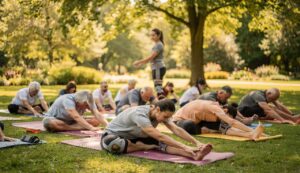

Strength training has long been associated with bodybuilders and athletes, yet its importance extends far beyond the gymnasium walls. As we navigate through different stages of life, maintaining muscle strength becomes increasingly vital for preserving independence, preventing chronic conditions, and ensuring a high quality of life. The evidence is clear: muscle mass begins to decline after the age of 30, with losses accelerating significantly as we age. Understanding how to incorporate strength training at every stage can make the difference between thriving and merely surviving in our later years.
The importance of strength training from a young age
Building a foundation for lifelong health
Establishing strength training habits early in life creates a robust foundation for the decades ahead. Young people who engage in regular resistance exercises develop not only muscle mass but also bone density, which proves crucial for preventing osteoporosis later in life. The adaptability of young muscle tissue means that gains come more readily, making it an ideal time to build a reserve of strength that will serve well into middle age and beyond.
Developmental benefits beyond muscle
Strength training during youth offers numerous advantages that extend beyond physical appearance:
- Enhanced coordination and balance
- Improved metabolic function and weight management
- Greater confidence and mental resilience
- Reduced risk of sports-related injuries
- Establishment of healthy lifestyle patterns
These benefits compound over time, creating a positive trajectory that supports overall wellbeing throughout adulthood. However, the advantages of strength training become even more pronounced as we enter our middle years.
Why muscle strength becomes crucial in midlife
The onset of sarcopenia
The phenomenon of sarcopenia, the gradual loss of muscle mass and strength, typically begins around age 30. Research indicates that without intervention, adults lose between 3-8% of muscle mass per decade. This decline may seem negligible initially, but the cumulative effect becomes increasingly apparent as we approach our fifth and sixth decades.
Metabolic and functional implications
| Age Range | Muscle Loss Rate | Functional Impact |
|---|---|---|
| 30-60 years | 3-8% per decade | Gradual decline in strength |
| 60+ years | Accelerated loss | Difficulty with daily tasks |
| 70+ years | Marked deterioration | Risk of disability increases 1.5-4.6 times |
The consequences of muscle loss extend beyond mere physical weakness. Reduced muscle mass affects metabolic rate, making weight management more challenging and increasing the risk of type 2 diabetes and cardiovascular disease. Furthermore, studies show that even brief periods of inactivity—as short as five days—can result in measurable muscle loss, highlighting the importance of consistent engagement. As these changes accumulate, the approach to training must evolve to address age-specific needs.
Adapting training according to age
Progressive modifications for sustainable practice
The beauty of strength training lies in its remarkable adaptability across all life stages. Younger individuals may focus on building maximum strength and muscle size, whilst those in midlife might prioritise maintaining functional capacity and preventing decline. The key principle remains consistent: progressive overload applied appropriately for one’s current capabilities.
Age-appropriate training strategies
Different decades require different approaches to resistance training:
- 20s-30s: building maximum strength and muscle mass with varied intensity
- 40s-50s: maintaining muscle whilst addressing joint health and flexibility
- 60s-70s: focusing on functional movements and balance alongside strength
- 80s and beyond: emphasising stability, fall prevention, and independence
The encouraging news is that muscle tissue remains responsive to training at any age. Research demonstrates that individuals in their 70s, 80s, and even 90s can increase muscle size and strength through structured programmes. This adaptability means that it is never too late to begin, and the benefits extend well beyond the physical realm.
The invisible benefits of training for seniors
Cognitive and psychological advantages
Whilst the physical benefits of strength training receive considerable attention, the cognitive and mental health improvements prove equally significant for older adults. Regular resistance exercise has been linked to enhanced cognitive function, reduced risk of dementia, and improved mood regulation. The sense of accomplishment derived from progressive strength gains contributes to greater self-efficacy and independence.
Social and quality of life improvements
Strength training for seniors offers profound impacts on daily living. Adults with moderate to severe muscle loss are between 1.5 to 4.6 times more likely to experience disabilities compared to those maintaining higher muscle mass. By preserving strength, older individuals can continue performing essential activities such as climbing stairs, carrying shopping, and rising from chairs without assistance. This functional capacity directly correlates with reduced hospital visits and the ability to live independently for longer periods. Understanding these benefits naturally leads to the question of how to begin safely and effectively.
Tips for starting strength training at any age
Beginning with appropriate expectations
The prospect of starting strength training can seem daunting, particularly for those who have never engaged in formal exercise. However, research confirms that long workouts or heavy lifting are not essential for achieving meaningful results. Even modest amounts of strength training with lighter weights can yield significant benefits when performed consistently.
Practical starting points
- Begin with bodyweight exercises before adding external resistance
- Aim for two to three sessions per week, allowing recovery between workouts
- Focus on major muscle groups through compound movements
- Start with a single set of 10-15 repetitions per exercise
- Gradually increase resistance as movements become comfortable
- Consider working with a qualified professional initially
The emphasis should be on consistency rather than intensity, particularly when establishing new habits. Regular incorporation of strength exercises into one’s weekly routine proves far more effective than sporadic, intensive sessions. However, certain precautions must be observed to ensure safety throughout the training journey.
Precautions for safe training
Medical considerations and assessments
Before embarking on any strength training programme, particularly for those with existing health conditions or who have been sedentary, consulting with a healthcare provider is essential. This becomes increasingly important with advancing age, as underlying conditions may require specific modifications to exercise protocols.
Essential safety measures
Implementing proper safety practices ensures that strength training remains beneficial rather than harmful:
- Prioritise proper form over heavier weights
- Warm up adequately before each session
- Listen to your body and distinguish between discomfort and pain
- Ensure adequate nutrition and hydration to support recovery
- Allow sufficient rest between training sessions
- Progress gradually, avoiding sudden increases in intensity
These precautions enable individuals to reap the rewards of strength training whilst minimising the risk of injury, ensuring a sustainable practice that can continue for years to come.
The evidence overwhelmingly supports strength training as a cornerstone of healthy ageing. Regardless of when one begins, the potential for improvement exists at every stage of life. By maintaining muscle mass and strength, individuals preserve not only their physical capabilities but also their independence, cognitive function, and overall quality of life. The journey towards better strength need not be overwhelming; even modest, consistent efforts yield substantial returns. As our understanding of muscle physiology continues to evolve, one truth remains constant: investing in strength today pays dividends for all our tomorrows.