



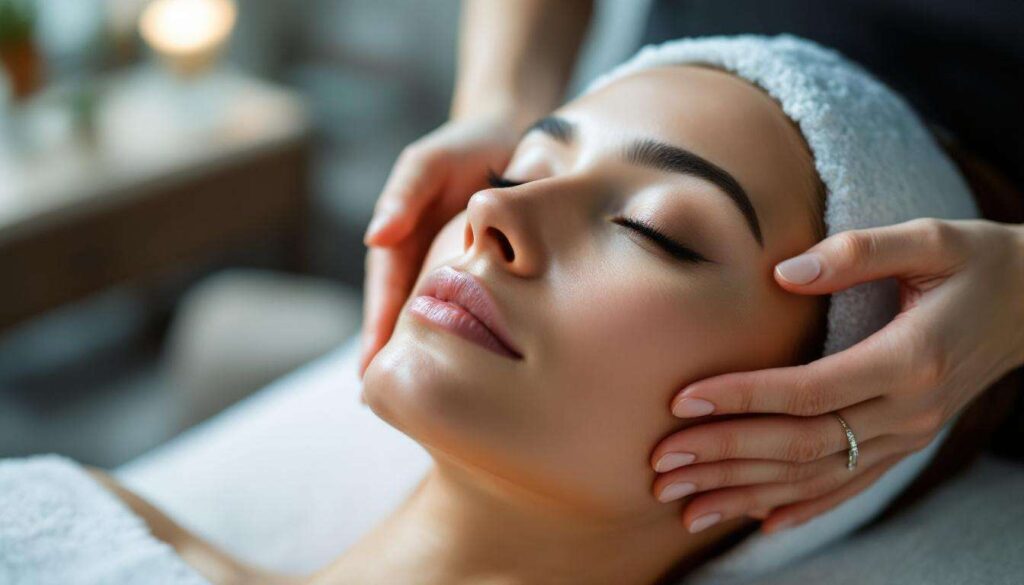
Maintaining healthy, radiant skin requires more than just a daily cleansing routine. Professional facial treatments offer deep cleansing, exfoliation and nourishment that home care simply cannot replicate. Yet many people remain uncertain about how frequently they should book these treatments to achieve optimal results without overspending or overwhelming their skin. Understanding the right balance depends on various factors, from individual skin conditions to seasonal changes and lifestyle habits.
The ideal frequency of facial treatments
The standard recommendation for most skin types
Dermatologists and skincare professionals typically recommend scheduling a facial treatment once every four to six weeks. This timeframe aligns with the skin’s natural regeneration cycle, which takes approximately 28 days for younger individuals and can extend to 40 days or more as we age. By booking treatments within this window, you allow your skin to complete its renewal process whilst benefiting from professional intervention at the optimal moment.
Adjusting frequency based on treatment goals
Your specific skincare objectives will influence how often you should visit a beauty salon:
- Maintenance and prevention: monthly facials help maintain healthy skin and prevent future issues
- Corrective treatments: addressing acne, hyperpigmentation or signs of ageing may require fortnightly sessions initially
- Pre-event preparation: booking a facial one week before a special occasion ensures your skin looks its absolute best
- Relaxation and stress relief: those seeking primarily therapeutic benefits might opt for monthly or bi-monthly treatments
These recommendations provide a foundation, but individual circumstances will ultimately determine the most effective schedule for your skin. The cumulative benefits of regular treatments become increasingly apparent over time, making consistency more important than frequency alone.
Regular benefits of a facial treatment
Deep cleansing and extraction
Professional facials provide a level of deep cleansing that daily routines cannot achieve. Aestheticians use specialised tools and techniques to remove impurities, unclog pores and extract blackheads without causing damage or scarring. This thorough cleansing prevents the buildup of debris that leads to breakouts and dull complexion, creating a clean canvas for subsequent skincare products to penetrate more effectively.
Enhanced product absorption and efficacy
Following professional exfoliation and cleansing, your skin becomes significantly more receptive to active ingredients. The removal of dead skin cells and surface debris allows serums, moisturisers and treatments to penetrate deeper into the dermis, maximising their effectiveness. Regular facials essentially amplify the benefits of your entire skincare regimen, making your home care products work harder and deliver superior results.
Cumulative anti-ageing effects
| Treatment frequency | Visible improvements | Long-term benefits |
|---|---|---|
| Monthly facials | Improved texture, radiance | Reduced fine lines, prevention |
| Quarterly facials | Basic maintenance | Minimal preventative effects |
| Bi-weekly facials | Rapid correction | Maximum anti-ageing results |
Consistent professional treatments stimulate collagen production, improve circulation and encourage cellular turnover, all of which contribute to a more youthful appearance over time.
Understanding these benefits helps explain why frequency matters, but achieving optimal results requires considering your unique circumstances and skin characteristics.
Factors influencing facial treatment frequency
Age and skin maturity
As skin ages, its natural regeneration processes slow down, often necessitating more frequent professional intervention. Individuals in their twenties with minimal concerns might maintain excellent results with quarterly treatments, whilst those in their forties or beyond typically benefit from monthly or even fortnightly facials to address fine lines, loss of elasticity and uneven tone.
Lifestyle and environmental exposure
Your daily environment and habits significantly impact how often your skin requires professional attention:
- Urban dwellers exposed to pollution may need more frequent deep cleansing treatments
- Those who wear heavy makeup daily benefit from regular professional removal and pore cleansing
- Smokers or individuals with high stress levels often require more intensive skincare interventions
- Sun exposure and outdoor activities increase the need for reparative and protective treatments
Budget considerations and treatment intensity
Financial constraints naturally influence treatment frequency, but quality should never be sacrificed for quantity. Investing in fewer, more comprehensive treatments often yields better results than frequent basic facials. Consider alternating between intensive treatments and simpler maintenance sessions to balance cost with effectiveness, ensuring your skin receives consistent professional care without straining your budget.
Beyond these general factors, your individual skin type plays perhaps the most crucial role in determining the ideal facial frequency.
Skin type and its specific needs
Oily and acne-prone skin requirements
Those with oily skin or active acne typically benefit from fortnightly to monthly facials focusing on deep cleansing, exfoliation and extraction. These treatments help regulate sebum production, prevent pore blockages and reduce inflammation. However, over-treatment can stimulate excessive oil production as a rebound effect, so working closely with your aesthetician to monitor your skin’s response remains essential.
Dry and sensitive skin considerations
Delicate or dehydrated skin requires a gentler approach with treatments spaced every four to six weeks. Facials for this skin type should emphasise hydration, barrier repair and soothing ingredients rather than aggressive exfoliation. More frequent treatments risk compromising the skin’s protective barrier, leading to increased sensitivity, redness and moisture loss.
Combination and mature skin protocols
Combination skin presents unique challenges, often requiring customised treatments that address multiple concerns simultaneously. Monthly facials allow aestheticians to adjust techniques and products based on how different zones respond. Mature skin similarly benefits from regular monthly treatments that incorporate anti-ageing technologies such as LED therapy, microcurrent or enzyme peels to maintain firmness, luminosity and even tone.
Just as skin type influences treatment frequency, the changing seasons also play an important role in determining when your skin needs professional attention.
The seasonal importance of facial treatments
Winter skin recovery and protection
Cold weather, indoor heating and harsh winds strip moisture from the skin, making winter an ideal time to increase facial frequency. Monthly hydrating and nourishing treatments help combat dryness, flaking and dullness. Focus on facials incorporating intensive moisturising masks, gentle exfoliation and barrier-strengthening serums to protect against environmental damage whilst maintaining comfort and suppleness.
Spring preparation and renewal
As temperatures rise and daylight increases, spring offers the perfect opportunity for more intensive treatments. This season suits chemical peels, microdermabrasion and brightening facials that address winter damage and prepare skin for increased sun exposure. Scheduling treatments every three to four weeks during spring helps achieve a fresh, renewed complexion whilst establishing a protective foundation for summer.
Summer maintenance and sun damage prevention
During summer months, focus shifts to soothing, repairing and protecting treatments. Facials incorporating antioxidants, calming ingredients and gentle exfoliation help counteract UV exposure, chlorine and saltwater effects. Consider booking treatments immediately before or after holidays to either prepare your skin for sun exposure or repair any damage sustained during travel.
With a clear understanding of when to schedule treatments, selecting the right professional to perform them becomes equally important.
Tips for choosing your beauty salon
Qualifications and expertise verification
Always verify that your chosen aesthetician holds recognised qualifications and appropriate insurance. Reputable professionals display their certifications prominently and willingly discuss their training, experience and specialisations. Look for practitioners who engage in continuing education, staying current with emerging techniques, technologies and product innovations that could benefit your skin.
Consultation and personalisation approach
Exceptional beauty salons prioritise thorough consultations before recommending treatments. Your aesthetician should:
- Conduct a detailed skin analysis using appropriate tools and lighting
- Ask comprehensive questions about your skincare routine, concerns and goals
- Explain their recommended treatment plan and expected outcomes clearly
- Adjust protocols based on your skin’s response to previous treatments
- Provide realistic expectations about results and necessary commitment
Hygiene standards and product quality
Observe the salon’s cleanliness, sterilisation practices and overall professionalism. High-quality establishments use professional-grade products with proven efficacy, maintain impeccable hygiene standards and create a comfortable, relaxing environment. Don’t hesitate to enquire about the brands they use, their ingredient philosophies and why they’ve selected particular products for your treatment.
Finding the right balance between treatment frequency, professional expertise and individual skin needs creates the foundation for achieving and maintaining your healthiest, most radiant complexion. Regular facials represent an investment in your skin’s long-term health, with benefits that extend far beyond immediate aesthetic improvements. By considering your skin type, lifestyle factors, seasonal requirements and professional guidance, you can establish a facial treatment schedule that delivers optimal results whilst respecting both your skin’s needs and your personal circumstances.