


Standing taller isn’t just about genetics or wearing heels. After hearing about posture walking from a colleague who swore it transformed her confidence and reduced her back pain, I decided to test this technique myself for seven days. The concept seemed deceptively simple: walk with deliberate attention to alignment, engaging core muscles and maintaining an upright spine. What I discovered during this week surprised me, not just in how I felt physically, but in the subtle psychological shifts that accompanied this seemingly minor adjustment to my daily routine.
What is posture walking ?
The fundamental principles
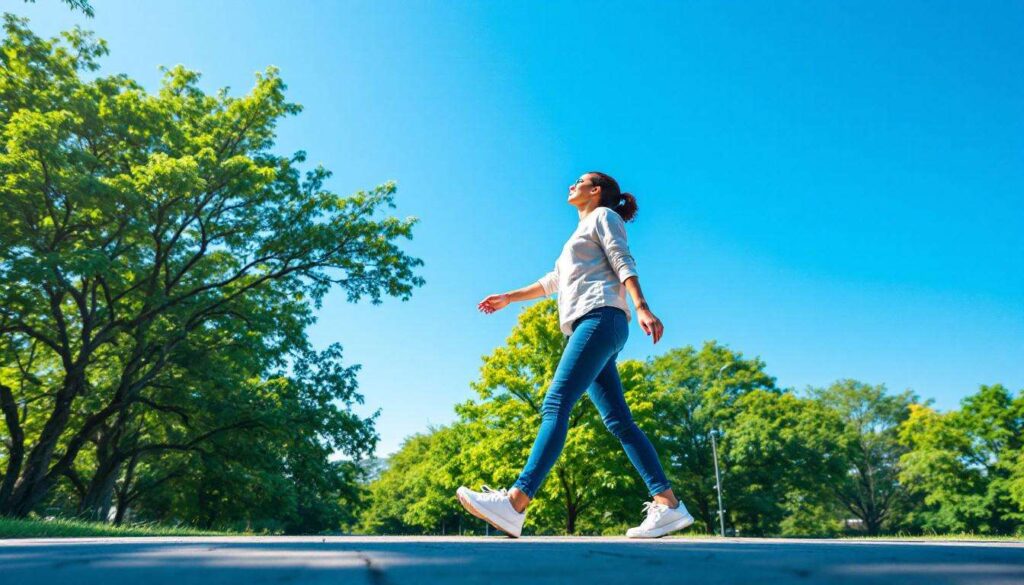
Posture walking is a mindful approach to walking that prioritises proper body alignment throughout each step. Unlike regular walking where we often slouch, lean forward, or allow our shoulders to round, this technique requires conscious engagement of several muscle groups simultaneously. The practice originates from physiotherapy principles and has gained traction among wellness enthusiasts seeking low-impact ways to improve their physical health.
The core elements include:
- maintaining a neutral spine with the head positioned directly over the shoulders
- engaging the abdominal muscles to support the lower back
- rolling through each step from heel to toe with intention
- keeping shoulders back and down, away from the ears
- allowing arms to swing naturally at the sides
How it differs from ordinary walking
The distinction lies primarily in awareness and intention. Most people walk on autopilot, their bodies compensating for poor posture habits developed over years of desk work, smartphone use, and sedentary lifestyles. Posture walking transforms this automatic activity into a corrective exercise that counteracts these negative patterns. It’s essentially physiotherapy in motion, addressing postural imbalances with every step taken.
Understanding these principles provided the foundation I needed, but the real question was whether implementing them would yield tangible results.
The unexpected benefits of posture walking
Physical improvements beyond height
The most obvious benefit I anticipated was appearing taller, but the physical advantages extended far beyond this cosmetic change. Within days, I noticed reduced tension in my neck and shoulders, areas where I typically carry stress. My lower back, which often aches after long periods of sitting, felt more supported and stable.
| Benefit | Noticed After | Intensity |
|---|---|---|
| Reduced neck tension | 2 days | Moderate |
| Improved breathing | 3 days | Significant |
| Better balance | 4 days | Moderate |
| Increased energy | 5 days | Noticeable |
Psychological and emotional shifts
What genuinely surprised me were the mental benefits that accompanied the physical changes. Walking with better posture naturally boosted my confidence. Research suggests that body language influences mood, and I experienced this firsthand. Standing taller made me feel more assertive in meetings and more present in conversations. There’s something empowering about literally taking up more space and moving through the world with deliberate alignment.
These benefits convinced me to persist beyond the initial novelty, but establishing the habit required strategic integration into my existing routine.
How I incorporated posture walking into my routine
Starting small with daily commutes
Rather than attempting to maintain perfect posture throughout every waking moment, I began by focusing on specific walking segments during my day. My morning commute from the car park to my office became my primary practice ground. This ten-minute walk provided a manageable timeframe to concentrate on alignment without feeling overwhelmed.
Setting reminders and checkpoints
I set phone reminders at strategic intervals to check my posture throughout the day. These gentle prompts helped me reset my alignment, particularly after periods of sitting. I also identified environmental cues as natural checkpoints:
- doorways reminded me to lengthen my spine
- waiting for lifts became opportunities to engage my core
- walking to meetings served as practice sessions
- lunchtime strolls transformed into extended posture walks
Combining with existing habits
Habit stacking proved invaluable. I paired posture walking with activities already embedded in my routine, such as walking the dog or running errands. This approach eliminated the need for additional time commitment whilst maximising practice opportunities. By the third day, checking my alignment before walking felt increasingly automatic.
With these strategies in place, I began noticing changes more quickly than expected.
The initial results after a few days
Day one to three observations
The first day felt awkward and required constant mental effort. My muscles, unaccustomed to this alignment, fatigued quickly. I experienced mild soreness in my upper back and core, similar to the sensation after starting a new exercise routine. However, by day three, the discomfort subsided, replaced by a pleasant awareness of muscles I’d been neglecting.
Physical measurements and perceptions
Out of curiosity, I measured my height against a wall mark at the beginning and end of day four. Whilst my actual height hadn’t changed, my standing posture added approximately two centimetres to my perceived height. Colleagues began commenting that I seemed different, though most couldn’t identify exactly what had changed. One friend eventually remarked that I appeared more confident and somehow taller.
Energy levels and breathing
Perhaps the most significant early benefit was improved breathing capacity. Proper alignment opens the chest cavity, allowing for deeper, more efficient breaths. I felt less winded climbing stairs and experienced sustained energy throughout the afternoon, a time when I typically experience a slump. This increased vitality motivated me to continue refining my technique.
To maximise these emerging benefits, I researched additional strategies for optimising the practice.
Tips to optimise posture walking
Core engagement techniques
Learning to properly engage my core proved essential. Rather than sucking in my stomach or holding my breath, I focused on gently drawing my navel towards my spine whilst maintaining natural breathing. This subtle activation provided crucial support for my lower back without creating tension. Practising this engagement whilst stationary before walking helped establish the correct sensation.
Shoulder positioning strategies
Shoulders presented a particular challenge, as mine habitually crept towards my ears. The technique that worked best involved:
- lifting shoulders up towards the ears
- rolling them back in a circular motion
- allowing them to drop naturally into a relaxed, open position
- maintaining this position whilst walking
Footwork and stride considerations
Proper footwork enhanced the overall effectiveness. I concentrated on landing on my heel, rolling through the midfoot, and pushing off with my toes. Avoiding overstriding prevented lower back strain, whilst maintaining a natural stride length kept the movement fluid and sustainable. Wearing supportive footwear made a noticeable difference in maintaining proper form.
Breathing coordination
Coordinating breath with movement created a meditative quality. I experimented with rhythmic breathing patterns, eventually settling on a comfortable cadence that matched my stride. This synchronisation enhanced both the physical and mental benefits, transforming walks into moving meditation sessions.
Armed with these refinements, I approached the final days of my experiment with increased confidence and curiosity about the cumulative effects.
My final assessment after a week
Measurable changes
After seven days, the physical transformations were undeniable. My resting posture had improved noticeably, even when I wasn’t actively thinking about alignment. The chronic tension in my neck and shoulders had diminished significantly. Friends and family commented on my improved bearing, and I genuinely felt taller, more grounded, and more present in my body.
Sustainable practice considerations
The key question remained: could I maintain this practice long-term ? The answer appeared to be yes, primarily because posture walking doesn’t require additional time or equipment. It simply transforms existing walking into a therapeutic activity. The initial conscious effort had begun transitioning into unconscious habit, suggesting that continued practice would become increasingly effortless.
Unexpected challenges overcome
The main obstacle was maintaining awareness during stressful or distracted moments. When preoccupied with work concerns or rushing between appointments, my posture reverted to old patterns. However, recognising these lapses without judgement and simply resetting my alignment proved sufficient. Perfection wasn’t the goal; consistent improvement was.
The experiment revealed that small, intentional adjustments to daily activities can yield substantial benefits. Posture walking costs nothing, requires no special equipment, and transforms necessary movement into therapeutic exercise. The boost in confidence, reduction in pain, and increased energy made this week-long trial worthwhile. Moving forward, I intend to maintain this practice, curious to see how the benefits compound over months rather than days. Sometimes the most effective interventions are the simplest ones, hiding in plain sight within activities we already perform dozens of times daily. Standing taller isn’t just about physical height; it’s about inhabiting your body with intention and moving through the world with purpose.