


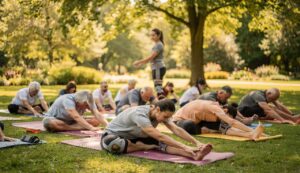
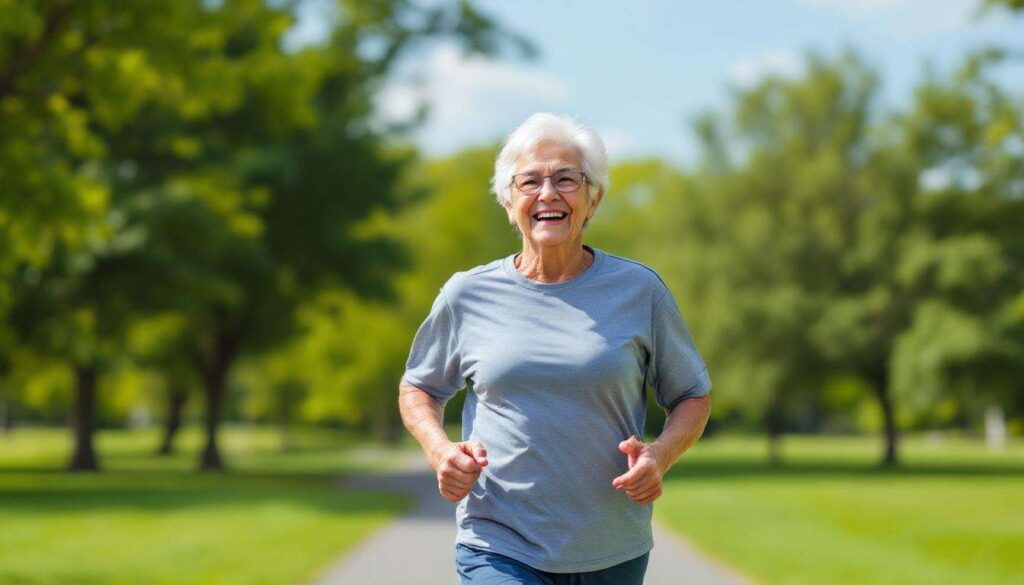
Reaching retirement age no longer means slowing down or accepting a sedentary lifestyle. Thousands of older adults are proving that the sixties can mark the beginning of a vibrant new chapter filled with physical activity and adventure. From gentle walking programmes to resistance training, the options for maintaining fitness and vitality are more accessible than ever. Medical research consistently demonstrates that starting or continuing an exercise routine in later life brings transformative benefits, from improved cardiovascular health to enhanced mental wellbeing. The key lies in understanding how to approach physical activity safely and effectively, ensuring that every workout contributes to longevity rather than risking injury.
Introduction to physical activity after 60
The human body remains remarkably adaptable throughout the lifespan, and the sixth decade presents an ideal opportunity to establish sustainable fitness habits. Regular movement becomes increasingly crucial as natural age-related changes affect muscle mass, bone density, and metabolic function. Rather than viewing exercise as a remedy for decline, many older adults discover it as a pathway to renewed energy and independence.
Understanding age-related changes
Several physiological shifts occur naturally as we age, but physical activity can significantly mitigate their impact. Muscle mass typically decreases by three to eight percent per decade after age 30, with the rate accelerating after 60. Bone density also diminishes, particularly in women following menopause, whilst joint flexibility and balance may deteriorate without regular use. These changes need not be inevitable or irreversible. Targeted exercise interventions can slow, halt, or even reverse many age-related declines.
Medical clearance and health assessments
Before embarking on any new fitness programme, consulting with a healthcare provider ensures safety and appropriateness. A thorough medical evaluation should include cardiovascular screening, assessment of existing conditions such as arthritis or diabetes, and evaluation of current mobility and balance. This initial step provides a baseline for measuring progress and identifies any necessary modifications to standard exercise protocols.
Understanding these foundations sets the stage for exploring the remarkable advantages that consistent physical activity brings to older adults.
The benefits of exercise for seniors
The scientific evidence supporting exercise for older adults is overwhelming, with benefits extending far beyond simple fitness improvements. Regular physical activity influences virtually every system in the body, creating a cascade of positive effects that enhance both quantity and quality of life.
Physical health improvements
Exercise delivers measurable improvements across multiple health markers:
- Cardiovascular function: aerobic activity strengthens the heart, improves circulation, and reduces blood pressure
- Metabolic health: regular movement enhances insulin sensitivity and helps manage blood glucose levels
- Bone strength: weight-bearing exercises stimulate bone formation and reduce osteoporosis risk
- Immune function: moderate exercise boosts immune response and reduces inflammation
- Weight management: physical activity increases caloric expenditure and preserves lean muscle mass
Cognitive and mental health benefits
The brain benefits from exercise just as much as the body does. Studies demonstrate that regular physical activity reduces dementia risk by up to 30 percent, whilst improving memory, processing speed, and executive function. Exercise also combats depression and anxiety, promoting better sleep quality and overall mood stability. The social aspects of group fitness classes or walking clubs provide additional mental health benefits through community connection and shared purpose.
Independence and quality of life
Perhaps most importantly, maintaining physical fitness preserves the ability to perform daily activities independently. Functional fitness enables older adults to continue gardening, playing with grandchildren, travelling, and pursuing hobbies without assistance. This autonomy contributes significantly to life satisfaction and dignity in later years.
With these compelling benefits in mind, the question becomes how to structure an exercise programme that maximises gains whilst minimising risks.
How to adapt your training programme
Creating an effective exercise plan for older adults requires thoughtful modification of standard fitness principles. The goal is progressive improvement without overwhelming the body, allowing for adequate recovery whilst building strength and endurance.
Starting gradually and building consistency
Beginning with manageable commitments prevents burnout and injury. Even ten minutes of daily activity provides benefits, particularly for those previously sedentary. Gradually increasing duration and intensity over weeks and months allows the body to adapt safely. Consistency matters more than intensity in the early stages, as establishing a regular habit forms the foundation for long-term success.
Balancing different exercise types
| Exercise Type | Frequency | Primary Benefits |
|---|---|---|
| Aerobic activity | 150 minutes weekly | Cardiovascular health, endurance |
| Strength training | 2-3 sessions weekly | Muscle mass, bone density |
| Flexibility work | Daily | Range of motion, injury prevention |
| Balance exercises | 3-4 times weekly | Fall prevention, stability |
Listening to your body
Older adults must develop sensitivity to the difference between productive discomfort and warning signs. Muscle fatigue after exercise is normal, whilst sharp pain, dizziness, or chest discomfort requires immediate attention. Rest days allow for recovery and adaptation, making them essential components of any training programme rather than signs of weakness.
Armed with these adaptation strategies, individuals can confidently select specific exercises suited to their needs and abilities.
Recommended exercises for older adults
The most effective exercise programme combines multiple modalities, addressing cardiovascular fitness, strength, flexibility, and balance. Variety prevents boredom and ensures comprehensive physical development across all functional domains.
Low-impact aerobic activities
These exercises elevate heart rate without excessive joint stress:
- Walking: accessible, free, and easily modified for any fitness level
- Swimming: provides full-body workout with minimal impact
- Cycling: builds leg strength whilst protecting knees and hips
- Dancing: combines cardiovascular benefits with social engagement
- Water aerobics: offers resistance training in a supportive environment
Strength and resistance training
Building and maintaining muscle mass becomes increasingly important after 60. Resistance training need not involve heavy weights or complicated equipment. Bodyweight exercises, resistance bands, and light dumbbells provide sufficient stimulus for muscle growth. Key exercises include squats, modified press-ups, seated rows, and leg raises, all of which can be adapted to individual capabilities.
Flexibility and balance work
Gentle stretching, yoga, and tai chi improve flexibility whilst simultaneously enhancing balance and body awareness. These practices reduce fall risk, one of the most significant health threats facing older adults. Simple balance exercises such as standing on one foot, heel-to-toe walking, and leg raises can be incorporated into daily routines without requiring special equipment or facilities.
Selecting appropriate exercises represents only part of the equation; maintaining long-term commitment requires additional strategies and support.
Tips for staying motivated in the long term
Sustaining an exercise habit over months and years demands more than initial enthusiasm. Creating systems and structures that support consistency proves far more effective than relying solely on willpower.
Setting realistic goals and tracking progress
Specific, measurable objectives provide direction and enable celebration of achievements. Rather than vague aspirations to “get fitter”, concrete targets such as walking 5,000 steps daily or attending three fitness classes weekly create accountability. Keeping a simple exercise log or using fitness tracking technology helps visualise progress and identify patterns.
Finding enjoyable activities and social support
Exercise need not feel like a chore. Exploring different activities until finding genuinely enjoyable options transforms fitness from obligation to pleasure. Social connections amplify motivation, whether through formal exercise classes, walking groups, or informal arrangements with friends. The accountability and camaraderie of exercising with others significantly increases adherence rates.
Overcoming common barriers
Anticipating obstacles allows for proactive solutions:
- Time constraints: schedule exercise as non-negotiable appointments
- Weather limitations: develop indoor alternatives for inclement days
- Fatigue: remember that exercise often increases energy rather than depleting it
- Boredom: regularly introduce new activities or routes
- Discomfort: adjust intensity and seek professional guidance for persistent issues
These practical strategies come to life through real examples of individuals who have successfully maintained active lifestyles well into advanced age.
Testimonials: staying active up to 92 years
Real-world examples provide both inspiration and practical insights into what sustained physical activity can achieve. These individuals demonstrate that age need not limit ambition or capability, offering proof that consistent effort yields remarkable results.
Remarkable stories of vitality
Numerous older adults report transformative experiences through regular exercise. One 92-year-old woman recently renewed her passport for another decade, confidently planning international travel thanks to her daily walking routine and twice-weekly strength training sessions. Her fitness level exceeds that of many people decades younger, enabling her to navigate airports, explore new cities, and fully engage with life’s adventures.
Another individual took up swimming at 68 after a lifetime of inactivity, initially managing only two pool lengths before exhaustion. Within two years, regular practice built sufficient endurance to complete mile-long swims, whilst also alleviating chronic back pain that had plagued him for decades.
Common themes among active seniors
Successful long-term exercisers share several characteristics. They view physical activity as non-negotiable, comparable to taking medication or eating meals. They adapt their routines as circumstances change rather than abandoning exercise entirely when facing obstacles. Most importantly, they focus on what their bodies can do rather than lamenting limitations, celebrating incremental improvements and maintaining gratitude for continued mobility.
Physical activity in the sixth decade and beyond represents far more than simple health maintenance. Regular exercise preserves independence, enhances cognitive function, and enables continued participation in meaningful activities. Starting gradually with medical clearance, balancing different exercise types, and finding enjoyable activities creates a sustainable foundation for long-term success. The evidence from both scientific research and individual testimonials confirms that it is never too late to begin. Whether the goal involves travelling the world, playing with grandchildren, or simply maintaining daily independence, consistent physical activity provides the means to achieve it. The sixties offer not a time to slow down, but rather an opportunity to invest in decades of continued vitality and engagement with life.