



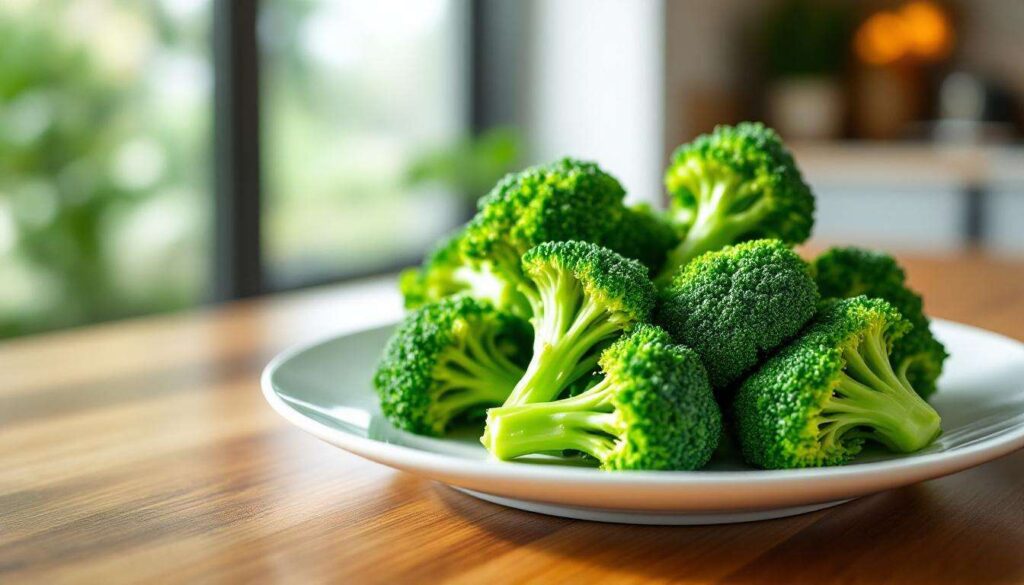
Broccoli has long been celebrated as a nutritional powerhouse, yet many home cooks unknowingly destroy its most valuable compounds through improper preparation. Research reveals that cooking methods significantly impact the antioxidant content of this cruciferous vegetable, with some techniques preserving up to 90% of beneficial compounds whilst others eliminate them almost entirely. Understanding the science behind broccoli preparation enables health-conscious individuals to maximise nutritional benefits without sacrificing flavour or texture.
Introduction to broccoli and its benefits
Nutritional profile of broccoli
Broccoli belongs to the Brassica oleracea family and contains an impressive array of vitamins, minerals, and phytonutrients. A single serving provides substantial quantities of vitamin C, vitamin K, folate, and fibre, making it an essential component of balanced nutrition.
| Nutrient | Amount per 100g | Daily Value % |
|---|---|---|
| Vitamin C | 89.2mg | 99% |
| Vitamin K | 101.6mcg | 85% |
| Folate | 63mcg | 16% |
| Fibre | 2.6g | 10% |
Key compounds in broccoli
The vegetable’s most remarkable properties stem from sulforaphane, a compound formed when the enzyme myrosinase interacts with glucoraphanin. This interaction occurs when broccoli cells are damaged through chopping or chewing. Additional beneficial compounds include:
- Indole-3-carbinol, which supports cellular health
- Quercetin, a powerful flavonoid antioxidant
- Kaempferol, linked to reduced inflammation
- Beta-carotene, essential for vision and immunity
The concentration of these compounds varies depending on growing conditions, storage methods, and crucially, cooking techniques employed in the kitchen.
The importance of antioxidants in our diet
Understanding oxidative stress
Antioxidants function as the body’s defence system against free radicals, unstable molecules that damage cells through oxidative stress. This cellular damage contributes to ageing, chronic inflammation, and various health conditions. Dietary antioxidants neutralise free radicals before they cause harm, making their consumption essential for long-term wellbeing.
Health benefits of antioxidant-rich foods
Regular consumption of antioxidant-rich vegetables like broccoli has been associated with numerous health benefits. Research indicates that individuals who consume cruciferous vegetables regularly experience reduced markers of inflammation and improved cellular function. The sulforaphane in broccoli specifically activates protective enzymes that support the body’s natural detoxification processes.
Given broccoli’s exceptional antioxidant profile, preserving these compounds during preparation becomes paramount for maximising health benefits.
Traditional cooking methods: advantages and disadvantages
Boiling broccoli
Boiling remains one of the most common preparation methods, yet it proves devastatingly ineffective for nutrient retention. Water-soluble vitamins and antioxidants leach into cooking water, with studies showing losses of up to 50% of vitamin C and significant reductions in glucosinolates. The high temperature also destroys myrosinase, the enzyme necessary for sulforaphane formation.
Frying and roasting
High-heat methods like frying and roasting create appealing textures and flavours through caramelisation. However, temperatures exceeding 180°C degrade heat-sensitive compounds. Roasting at moderate temperatures preserves more nutrients than boiling but still results in losses of approximately 20-30% of antioxidant capacity.
Microwaving considerations
Microwave cooking produces mixed results depending on water quantity and cooking duration. Using minimal water for short periods preserves nutrients reasonably well, whilst excessive cooking times with added water replicate the nutrient losses seen with boiling.
These limitations of conventional methods have prompted researchers to identify superior alternatives that balance palatability with nutritional preservation.
Steaming: an ally for preserving nutrients
The science behind steaming
Steaming emerges as the gold standard for broccoli preparation when antioxidant retention is prioritised. This method exposes vegetables to temperatures below 100°C whilst minimising water contact, preventing nutrient leaching. Studies demonstrate that steaming for three to four minutes preserves up to 90% of glucosinolates and maintains myrosinase activity.
Optimal steaming techniques
Achieving maximum nutrient retention requires attention to specific parameters:
- Cut broccoli into uniform florets for even cooking
- Allow chopped broccoli to rest for 40 minutes before cooking to maximise sulforaphane formation
- Steam for 3-5 minutes until tender-crisp, not soft
- Remove immediately from heat to prevent overcooking
- Avoid adding excessive water to the steaming vessel
Comparative nutrient retention
| Cooking Method | Vitamin C Retention | Glucosinolate Retention |
|---|---|---|
| Steaming (5 min) | 80-90% | 85-90% |
| Boiling (5 min) | 45-55% | 40-50% |
| Roasting (20 min) | 65-75% | 70-80% |
Whilst steaming proves superior, emerging cooking technologies offer additional options for health-conscious consumers seeking variety in preparation methods.
Modern alternatives for optimal cooking
Stir-frying with modifications
Brief stir-frying using minimal oil and lower temperatures preserves nutrients whilst developing desirable flavours. The key involves adding broccoli towards the end of cooking and maintaining movement to prevent prolonged heat exposure. Adding a small amount of water and covering briefly creates a steam-fry effect that combines texture benefits with nutrient preservation.
Raw consumption strategies
Consuming broccoli raw theoretically provides maximum nutrient availability, though the tough texture and strong flavour deter many individuals. Raw broccoli contains intact myrosinase, ensuring optimal sulforaphane production. Finely chopping or shredding raw florets into salads improves palatability whilst maintaining nutritional benefits.
Blanching techniques
Quick blanching followed by immediate cooling in ice water offers a middle ground between raw and fully cooked broccoli. This method partially softens the vegetable whilst preserving most heat-sensitive compounds. Blanching for 60-90 seconds maintains crispness and retains approximately 75-80% of antioxidants.
Understanding these preparation methods enables creative incorporation of broccoli into diverse meals throughout the week.
Tips for incorporating broccoli into your daily diet
Meal preparation strategies
Consistency in vegetable consumption requires practical approaches that fit busy lifestyles. Preparing broccoli in advance and storing it properly ensures ready availability for quick meals. Steamed broccoli keeps well in refrigerated containers for up to four days, maintaining most nutritional properties.
Flavour enhancement without nutrient loss
Many individuals avoid broccoli due to perceived blandness, yet simple additions transform it without compromising health benefits:
- Dress steamed broccoli with lemon juice and olive oil after cooking
- Add minced garlic or ginger during the final minute of steaming
- Sprinkle with nutritional yeast for a cheese-like flavour
- Toss with toasted nuts or seeds for textural contrast
- Incorporate into grain bowls, pasta dishes, or omelettes
Combining with complementary foods
Pairing broccoli with specific foods enhances nutrient absorption. Consuming it alongside healthy fats improves uptake of fat-soluble vitamins, whilst combining with mustard, horseradish, or other myrosinase-containing foods compensates if cooking has destroyed the enzyme.
Broccoli’s versatility and exceptional nutritional profile make it an invaluable addition to health-focused eating patterns. The evidence clearly demonstrates that steaming for brief periods represents the optimal preparation method for preserving antioxidants whilst maintaining palatability. By implementing these science-backed cooking techniques and incorporating broccoli regularly into varied dishes, individuals can maximise the considerable health benefits this remarkable vegetable offers. Simple adjustments to preparation methods yield substantial improvements in nutrient retention, transforming an already nutritious food into an even more powerful component of preventative nutrition.