


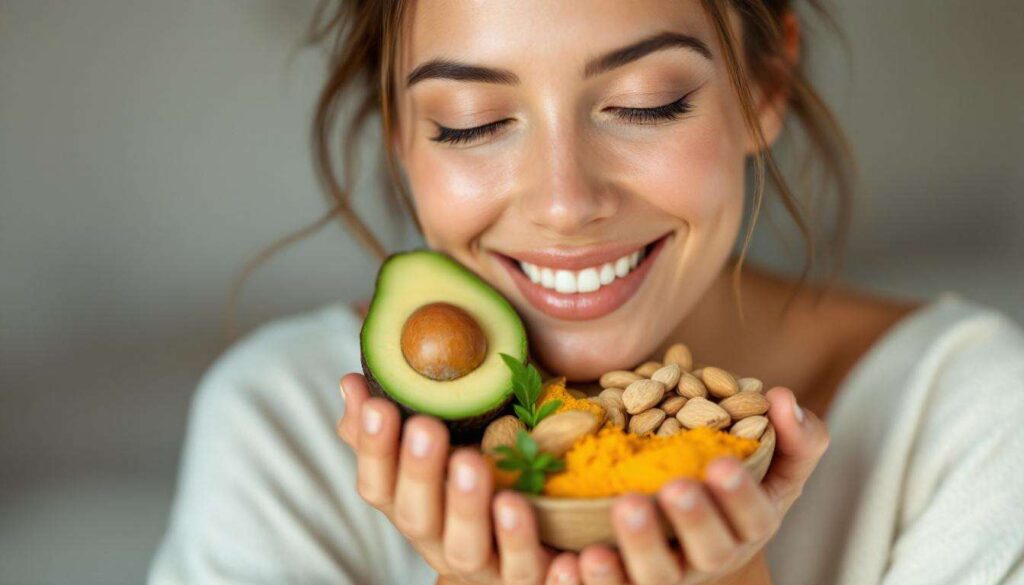
The quest for radiant, luminous skin often leads us down aisles of expensive serums and complex formulations, yet some of the most effective brightening solutions may already be sitting in your kitchen cupboard. Natural ingredients rich in vitamins, antioxidants and enzymes have been used for centuries across different cultures to enhance skin’s natural glow. From the vitamin C-packed lemon to the gentle exfoliating properties of yoghurt, these everyday staples offer accessible and affordable alternatives to commercial products. Understanding how these ingredients work at a cellular level reveals why they remain relevant in modern skincare routines, bridging traditional wisdom with contemporary dermatological science.
Introduction to the benefits of natural nutrients
Natural nutrients found in common kitchen ingredients provide multiple pathways to achieving brighter, more even-toned skin. Unlike synthetic compounds that may contain harsh chemicals, these plant-based and dairy-derived substances work gently with the skin’s natural processes. The effectiveness stems from their bioavailability, meaning the skin can readily absorb and utilise these nutrients without triggering adverse reactions.
The role of vitamins in skin brightness
Vitamins serve as fundamental building blocks for healthy skin function. Vitamin C, perhaps the most celebrated brightening nutrient, inhibits melanin production whilst simultaneously boosting collagen synthesis. This dual action not only reduces hyperpigmentation but also improves overall skin texture. Vitamin E works synergistically with vitamin C, providing antioxidant protection that prevents free radical damage responsible for dullness and premature ageing. B vitamins, particularly niacinamide, strengthen the skin barrier and reduce inflammation, contributing to a more uniform complexion.
Antioxidants and their protective effects
Antioxidants neutralise oxidative stress caused by environmental aggressors such as pollution and UV radiation. Kitchen ingredients rich in these compounds include:
- Green tea, containing polyphenols that combat inflammation
- Tomatoes, packed with lycopene for UV protection
- Berries, offering anthocyanins that preserve skin elasticity
- Turmeric, providing curcumin with potent anti-inflammatory properties
These protective mechanisms prevent the oxidative damage that leads to uneven pigmentation and dull skin tone.
Understanding these fundamental mechanisms sets the stage for exploring specific ingredients that harness these benefits most effectively.
Kitchen ingredients with brightening properties
Several readily available kitchen staples have demonstrated remarkable skin-brightening capabilities through their unique nutritional profiles and active compounds.
Citrus fruits for vitamin C delivery
Lemons, oranges and grapefruits contain high concentrations of ascorbic acid, the purest form of vitamin C. This powerful antioxidant inhibits tyrosinase, the enzyme responsible for melanin production, thereby reducing dark spots and evening out skin tone. The natural alpha hydroxy acids present in citrus also provide gentle exfoliation, revealing fresher skin beneath.
Honey as a natural humectant
Raw honey possesses both brightening and moisturising properties. Its enzymatic activity produces small amounts of hydrogen peroxide, which gently lightens pigmentation. Additionally, honey’s antibacterial properties help prevent blemishes that can lead to post-inflammatory hyperpigmentation. The humectant nature of honey draws moisture into the skin, creating a plump, radiant appearance.
Yoghurt and lactic acid benefits
Plain yoghurt contains lactic acid, a gentle alpha hydroxy acid that exfoliates dead skin cells whilst hydrating the complexion. This ingredient is particularly suitable for sensitive skin types seeking brightening effects without irritation. The probiotics in yoghurt also support skin health by maintaining a balanced microbiome.
Turmeric and curcumin’s brightening power
This golden spice has been used in traditional beauty rituals for millennia. Curcumin, its active compound, reduces melanin production whilst providing anti-inflammatory benefits that calm redness and even out skin tone. Regular use can diminish the appearance of dark circles, scars and sun damage.
| Ingredient | Active Compound | Primary Benefit |
|---|---|---|
| Lemon | Vitamin C | Inhibits melanin production |
| Honey | Enzymes | Gentle lightening and hydration |
| Yoghurt | Lactic acid | Exfoliation and moisture |
| Turmeric | Curcumin | Reduces pigmentation and inflammation |
With these powerful ingredients identified, the practical question becomes how to integrate them effectively into daily skincare practices.
How to incorporate these ingredients into your skincare routine
Implementing natural kitchen ingredients requires thoughtful application methods that maximise benefits whilst minimising potential irritation.
Simple face mask recipes
Creating effective masks at home involves combining complementary ingredients. A brightening mask might include one tablespoon of yoghurt mixed with half a teaspoon of turmeric and a few drops of lemon juice. Apply to cleansed skin, leave for 10-15 minutes, then rinse with lukewarm water. For sensitive skin, substitute lemon with honey to reduce acidity whilst maintaining brightening effects.
Frequency and timing recommendations
Natural ingredients work best with consistent but moderate application. Most brightening masks should be used two to three times weekly, allowing skin time to regenerate between treatments. Morning application suits antioxidant-rich ingredients like vitamin C, providing daytime protection, whilst exfoliating treatments work best in evening routines when skin enters repair mode.
Patch testing and skin sensitivity
Before applying any new ingredient to the face, perform a patch test on the inner forearm. Apply a small amount and wait 24 hours to observe any adverse reactions. This precaution is particularly important for acidic ingredients like citrus or potent compounds like turmeric, which can cause irritation in some individuals.
Layering with other skincare products
Natural ingredients integrate well into existing routines when applied strategically:
- Cleanse thoroughly before applying any treatment
- Apply natural masks to damp skin for better absorption
- Follow with a hydrating serum to seal in benefits
- Always finish with moisturiser and sunscreen during daytime
These practical applications gain credibility when examined through the lens of scientific research and clinical evidence.
The scientific evidence of skin-brightening effects
Dermatological research has increasingly validated traditional uses of natural ingredients, providing evidence-based support for their brightening properties.
Clinical studies on natural compounds
Multiple studies have demonstrated vitamin C’s efficacy in reducing hyperpigmentation. Research shows that topical ascorbic acid at concentrations of 5-20% significantly reduces melanin synthesis within 12 weeks of consistent use. Similarly, curcumin studies reveal its ability to suppress melanogenesis by downregulating tyrosinase activity, with visible improvements in skin brightness after eight weeks of application.
Mechanism of action on melanin production
The brightening effects occur through several biological pathways. Vitamin C converts oxidised melanin to a reduced, colourless form whilst simultaneously inhibiting tyrosinase. Alpha hydroxy acids like lactic acid accelerate cell turnover, removing pigmented cells from the skin’s surface. Antioxidants prevent the formation of new pigmentation by neutralising free radicals that trigger melanocyte activity.
Comparative effectiveness with commercial products
Whilst commercial formulations often contain higher concentrations of active ingredients with enhanced stability, natural kitchen ingredients offer comparable results with extended use. The advantage lies in their multi-functional benefits and lower risk of irritation from synthetic preservatives or fragrances. However, they require fresher preparation and more frequent application to maintain potency.
This scientific foundation underscores the importance of using these ingredients correctly to maximise benefits whilst avoiding potential pitfalls.
Precautions and usage tips
Despite their natural origins, kitchen ingredients require careful handling and appropriate application to ensure safe and effective results.
Photosensitivity concerns
Certain brightening ingredients, particularly citrus fruits, increase skin’s sensitivity to ultraviolet radiation. This photosensitivity can paradoxically lead to increased pigmentation if adequate sun protection isn’t maintained. Always apply broad-spectrum sunscreen with SPF 30 or higher when using acidic ingredients, and consider limiting citrus treatments to evening routines.
Concentration and dilution guidelines
Natural doesn’t always mean gentle. Pure lemon juice, for instance, has a pH of approximately 2, which can disrupt the skin’s natural barrier if used undiluted. Recommended dilutions include:
- Lemon juice: dilute one part juice with two parts water or yoghurt
- Turmeric: use no more than half a teaspoon per tablespoon of carrier
- Honey: can be used undiluted but works best mixed with other ingredients
When to avoid certain ingredients
Individuals with active breakouts should avoid honey if they have yeast sensitivities. Those with rosacea or extremely sensitive skin should skip acidic ingredients entirely. Pregnant women should consult healthcare providers before using turmeric topically in large amounts, as absorption through skin remains understudied in this population.
Storage and freshness considerations
Unlike commercial products with preservatives, natural preparations spoil quickly. Prepare small batches for immediate use and refrigerate any leftovers for no more than three days. Vitamin C oxidises rapidly when exposed to air and light, losing potency within hours, making fresh preparation essential for maximum effectiveness.
Conclusion on the impact of natural nutrients on skin
Kitchen ingredients offer legitimate brightening benefits through scientifically validated mechanisms involving vitamin delivery, antioxidant protection and gentle exfoliation. Lemons, honey, yoghurt and turmeric stand out for their accessibility and proven efficacy in reducing hyperpigmentation and enhancing natural radiance. Success requires consistent application, appropriate dilution and diligent sun protection to prevent photosensitivity. Whilst these natural alternatives may work more gradually than concentrated commercial formulations, they provide cost-effective solutions with minimal risk of synthetic irritants. The key lies in understanding each ingredient’s properties, respecting individual skin sensitivities, and maintaining realistic expectations about timelines for visible improvement. When incorporated thoughtfully into a comprehensive skincare routine, these humble kitchen staples demonstrate that effective brightening solutions need not be complicated or expensive.