



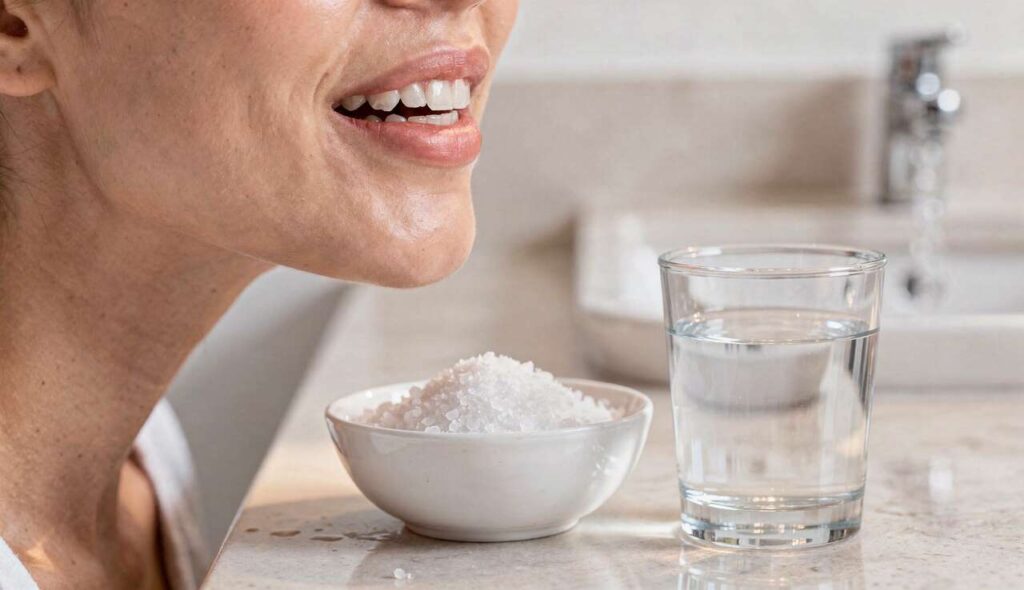
Dental stains from coffee, tea, and everyday foods can diminish the brightness of your smile, prompting many to seek natural whitening solutions. Among the simplest remedies gaining attention is the salt water rinse, a traditional practice that leverages the mild abrasive properties of salt to gently remove surface discolouration. This accessible method requires only two ingredients found in virtually every household, yet its effectiveness relies on understanding the science behind how salt interacts with tooth enamel and the stains that accumulate on its surface.
Introduction to salt water rinsing
Historical context of salt in oral care
Salt has served as a fundamental oral hygiene tool for centuries, long before commercial toothpastes became widely available. Ancient civilisations including the Egyptians, Greeks, and Romans documented the use of salt mixtures for cleaning teeth and maintaining gum health. This enduring practice stems from salt’s natural antibacterial properties and its ability to create an inhospitable environment for harmful oral bacteria.
Modern applications in dental hygiene
Contemporary dental care has rediscovered salt water rinsing as a complementary practice to standard brushing and flossing routines. The solution offers several advantages:
- Cost-effectiveness compared to commercial whitening products
- Accessibility for individuals in remote areas
- Minimal risk of chemical sensitivity reactions
- Versatility for multiple oral health purposes
Dentists often recommend salt water rinses following dental procedures to promote healing and reduce inflammation, demonstrating its continued relevance in professional dental care. This foundation in both traditional wisdom and modern practice sets the stage for examining how salt specifically addresses dental staining.
How salt works on dental stains
The abrasive mechanism explained
Salt crystals function as a gentle abrasive agent when dissolved partially in water and applied to tooth surfaces. Unlike harsh chemical bleaching agents that penetrate enamel, salt works through mechanical action to dislodge surface-level particles responsible for discolouration. The granular structure of salt, particularly coarse sea salt or rock salt, creates sufficient friction to lift stain molecules without causing significant enamel erosion when used appropriately.
Types of stains affected by salt rinsing
Not all dental stains respond equally to salt water treatment. The method proves most effective against extrinsic stains, which form on the outer enamel layer:
| Stain Type | Source | Salt Rinse Effectiveness |
|---|---|---|
| Extrinsic | Coffee, tea, wine, tobacco | Moderate to high |
| Intrinsic | Medication, trauma, ageing | Low to none |
| Surface biofilm | Bacterial accumulation | High |
The alkaline environment created by salt water also helps neutralise acids in the mouth, which can prevent further staining and protect enamel integrity. Understanding these mechanisms clarifies why mild abrasion offers distinct advantages over more aggressive whitening approaches.
The benefits of mild abrasion
Enamel preservation advantages
Unlike peroxide-based whitening treatments that chemically alter tooth structure, mild abrasion through salt rinsing preserves the natural composition of enamel. The hardness of salt crystals registers significantly lower on the Mohs scale than tooth enamel, meaning properly executed rinsing removes only superficial debris without wearing down the protective outer layer. This conservative approach proves particularly valuable for individuals with thin enamel or existing dental sensitivity.
Additional oral health improvements
Beyond aesthetic benefits, salt water rinsing contributes to comprehensive oral wellness:
- Reduction of harmful bacteria populations in the oral cavity
- Promotion of healing in minor gum irritations
- Temporary relief from tooth sensitivity
- Natural breath freshening without artificial additives
- Support for balanced oral pH levels
Comparing abrasion levels
The relative dentin abrasivity (RDA) of salt water rinsing remains considerably lower than many commercial whitening products:
| Whitening Method | Approximate RDA Value | Abrasion Level |
|---|---|---|
| Salt water rinse | 7-15 | Very low |
| Standard toothpaste | 70-100 | Low to moderate |
| Whitening toothpaste | 100-200 | Moderate to high |
These comparative measurements underscore the gentleness of salt-based methods, though proper preparation and application remain essential for maximising benefits whilst minimising risks.
Preparation and use of salt water rinse
Selecting the appropriate salt type
Not all salts deliver identical results for dental purposes. Natural sea salt or Himalayan pink salt contain trace minerals that may enhance antimicrobial properties, though standard table salt functions adequately for basic whitening. Avoid salts with added iodine or anti-caking agents, which serve no dental benefit and may introduce unwanted chemicals to the oral environment.
Optimal concentration ratios
The effectiveness and safety of salt water rinsing depend heavily on proper dilution. A concentration that is too weak provides minimal benefit, whilst excessive salt content can irritate soft tissues:
- Standard ratio: one teaspoon of salt per 240 millilitres of warm water
- Gentle formula: half teaspoon for sensitive mouths
- Water temperature: warm but not hot, approximately 37-40 degrees Celsius
- Dissolution: stir thoroughly until salt crystals completely dissolve
Application technique and frequency
To maximise stain removal whilst protecting dental health, follow this systematic approach: take a mouthful of the prepared solution, swish vigorously for 30-60 seconds, ensuring the liquid reaches all tooth surfaces, then expectorate completely. Repeat this process twice daily, ideally after meals when stain-causing particles are most present. Avoid rinsing immediately after brushing, as this may wash away protective fluoride from toothpaste.
Whilst salt water rinsing offers numerous advantages, understanding potential risks ensures this natural method supports rather than compromises overall dental wellbeing.
Precautions for dental health
Risks of overuse and excessive abrasion
Despite its gentleness, excessive salt water rinsing can gradually wear enamel and irritate gum tissue. Limiting use to twice daily prevents cumulative abrasive damage. Individuals who notice increased tooth sensitivity, gum recession, or enamel thinning should discontinue use and consult a dental professional. The cumulative effect of any abrasive substance warrants moderation, even with low-RDA materials like salt.
Contraindications and special considerations
Certain dental conditions require modified approaches or complete avoidance of salt rinsing:
- Active gum disease requiring professional treatment
- Recent dental surgery or extractions
- Severe enamel erosion or exposed dentin
- Orthodontic appliances that trap salt particles
- Hypertension requiring sodium restriction
Maintaining professional dental care
Salt water rinsing should complement rather than replace comprehensive dental hygiene practices. Regular brushing with fluoride toothpaste, daily flossing, and biannual professional cleanings remain essential for optimal oral health. Whitening results from salt rinsing develop gradually over weeks, and expectations should align with its role as a maintenance tool rather than a dramatic transformation method. For those seeking additional natural options, several complementary approaches deserve consideration.
Natural alternatives for teeth whitening
Baking soda applications
Sodium bicarbonate offers similar mild abrasive properties to salt with added alkaline benefits. A paste of baking soda and water applied gently with a soft toothbrush once or twice weekly can enhance whitening effects. Its slightly higher abrasivity compared to salt requires cautious use to prevent enamel damage.
Oil pulling with coconut oil
This Ayurvedic practice involves swishing coconut oil in the mouth for 10-20 minutes to reduce bacteria and lift surface stains. Whilst research on whitening efficacy remains limited, the antimicrobial properties of lauric acid in coconut oil support overall oral health.
Dietary modifications for stain prevention
Preventing new stains proves equally important as removing existing discolouration:
- Limiting consumption of coffee, tea, and red wine
- Using straws for staining beverages
- Rinsing with plain water after consuming pigmented foods
- Increasing intake of crunchy vegetables that naturally clean teeth
- Avoiding tobacco products entirely
Combining these approaches with salt water rinsing creates a comprehensive natural whitening strategy that addresses multiple aspects of dental aesthetics and health.
Salt water rinsing represents an accessible, economical approach to natural teeth whitening through gentle abrasion that removes surface stains without the harsh chemicals found in commercial products. Its effectiveness stems from the mild abrasive properties of salt crystals combined with antibacterial benefits that support overall oral health. Proper preparation using appropriate salt types and concentrations, combined with moderate application frequency, maximises whitening benefits whilst preserving enamel integrity. Though results develop gradually and primarily address extrinsic staining, this traditional method offers a safe complement to standard dental hygiene practices when used judiciously alongside professional care and preventive dietary habits.