


Winter transforms the natural world into a realm of quiet beauty and unexpected marvels. Whilst many retreat indoors during the colder months, stepping outside reveals a season rich with wonder and opportunities for genuine happiness. The crisp air, dramatic landscapes and distinctive wildlife encounters offer compelling reasons to embrace the outdoors when temperatures drop.
The beauty of snowy landscapes
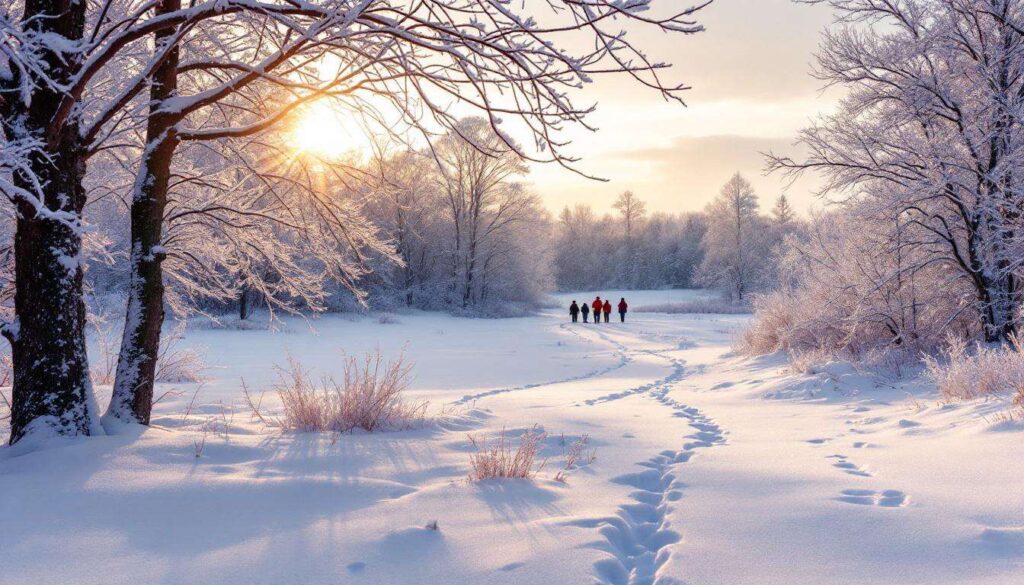
Fresh snowfall creates breathtaking transformations that few other natural phenomena can match. Familiar paths become enchanted routes through pristine white corridors, whilst trees adopt sculptural forms beneath their frozen mantles.
Visual splendour of winter scenes
Snow-covered terrain offers remarkable visual rewards for those willing to venture out. The crystalline quality of light reflecting off snow creates luminosity even on overcast days, whilst shadows cast by low winter sun produce dramatic contrasts across undulating landscapes. Frosted branches form intricate patterns against pale skies, and icicles hanging from rock faces catch and refract light into miniature rainbows.
Photographic opportunities
Winter landscapes present exceptional chances for capturing memorable images:
- Early morning frost coating vegetation in delicate white crystals
- Footprints creating leading lines through virgin snow
- Fog settling over frozen lakes and rivers
- Sunset colours intensified by reflection off snow surfaces
- Minimalist compositions emphasising negative space
These snowy vistas naturally lead to consideration of other atmospheric winter spectacles that reward outdoor exploration.
Observing unique weather phenomena
Winter brings meteorological events rarely witnessed during warmer months, offering fascinating displays for attentive observers.
Frost formations and ice structures
Cold temperatures create extraordinary ice formations that demonstrate nature’s artistic capabilities. Hoar frost develops feathery patterns on exposed surfaces, whilst freezing fog produces rime ice that encases everything in ghostly white. Window frost forms intricate fern-like designs, and ice crystals on spider webs transform simple structures into jewelled masterpieces.
Atmospheric optical effects
Winter conditions generate remarkable light phenomena including:
| Phenomenon | Description | Viewing conditions |
|---|---|---|
| Sun dogs | Bright spots appearing beside the sun | High cirrus clouds with ice crystals |
| Light pillars | Vertical beams of light | Extremely cold nights with ice crystals |
| Fog bows | Colourless rainbow arcs in fog | Misty conditions with sun behind observer |
Witnessing these meteorological marvels often occurs whilst engaging in purposeful outdoor pursuits.
Enjoying outdoor winter activities
Physical engagement with winter environments provides both exercise and enjoyment, combating seasonal lethargy whilst building resilience.
Traditional winter sports and pastimes
Classic cold-weather activities offer accessible entry points for outdoor adventure. Sledging requires minimal equipment yet delivers maximum exhilaration, whilst ice skating on frozen ponds creates memorable experiences. Cross-country skiing provides excellent cardiovascular exercise across varied terrain, and snowshoeing allows exploration of areas otherwise inaccessible during winter months.
Everyday winter activities
Simple pursuits can prove equally rewarding:
- Building snowmen and snow sculptures
- Creating snow angels in fresh powder
- Having friendly snowball fights
- Tracking animal footprints through snow
- Foraging for winter berries and evergreen foliage
These active engagements with winter naturally complement quieter forms of outdoor appreciation.
Reconnecting with nature during long walks
Winter walking offers distinctive pleasures unavailable during busier seasons, providing space for reflection and genuine connection with surroundings.
Benefits of winter rambling
Striding through cold landscapes delivers substantial physical and mental benefits. The body works harder to maintain temperature, burning additional calories whilst strengthening the immune system. Mental clarity often accompanies winter walks, as reduced vegetation reveals previously hidden vistas and the quiet atmosphere encourages contemplation. Studies indicate that regular outdoor exposure during winter months helps combat seasonal affective disorder and maintains psychological wellbeing.
Practical considerations for winter walking
Successful winter rambles require appropriate preparation. Layered clothing allows temperature regulation, whilst waterproof outer garments protect against unexpected precipitation. Proper footwear with good traction prevents slips on icy surfaces, and carrying hot drinks in insulated flasks provides welcome warmth during rest stops. Planning routes carefully ensures completion before daylight fades, as winter days shorten considerably.
These solitary or social wanderings frequently bring encounters with creatures adapted to harsh conditions.
Contemplating winter wildlife
Observing animals navigating winter challenges offers fascinating insights into survival strategies and natural resilience.
Bird watching opportunities
Winter attracts distinctive avian visitors whilst resident species become more visible against bare branches. Fieldfares and redwings arrive from Scandinavia, whilst waxwings appear in irruptive years. Garden feeders draw increased activity as natural food sources diminish, allowing close observation of behaviour and social hierarchies amongst different species.
Mammal tracking and observation
Snow reveals the secret movements of mammals through preserved tracks and trails. Deer become more visible in deciduous woodlands, whilst foxes leave distinctive paw prints across fields. Squirrels remain active, and their food caches become apparent. Patient observers might spot:
- Hares boxing during breeding season
- Otters playing on frozen riverbanks
- Badgers emerging during milder spells
- Stoats in white winter coats
As darkness arrives earlier, attention shifts upward to celestial displays enhanced by winter conditions.
Finding inspiration in winter starry skies
Clear winter nights provide exceptional stargazing conditions, offering perspectives that humble and inspire simultaneously.
Advantages of winter astronomy
Several factors make winter ideal for celestial observation. Longer nights provide extended viewing periods, whilst cold air holds less moisture, reducing atmospheric distortion. The Earth’s orientation presents different constellations, including prominent winter formations like Orion with its distinctive belt and nebula. Reduced light pollution in rural areas during longer evenings enhances visibility of fainter celestial objects.
Accessible astronomical sights
Even without specialist equipment, winter skies reward observers with:
- The Milky Way arching overhead on moonless nights
- Jupiter and Saturn visible to the naked eye
- Meteor showers including the Quadrantids
- The Pleiades star cluster sparkling like diamonds
- Occasional aurora borealis at higher latitudes
These cosmic perspectives remind us of our place within vast natural systems.
Winter’s natural offerings extend far beyond mere survival of cold months. From snow-draped landscapes to star-filled skies, the season presents countless opportunities for wonder and wellbeing. Embracing outdoor experiences during winter builds resilience, provides perspective and delivers genuine joy through direct engagement with nature’s quieter but no less magnificent seasonal expression. The rewards await those willing to step outside and look with fresh eyes at winter’s distinctive beauty.